
Understanding Glucosamine: Benefits, Sources, and Uses for Joint Health
Glucosamine is a naturally occurring compound found in the body, especially in cartilage — the connective tissue that cushions joints. It plays a crucial role in maintaining joint structure, repairing cartilage, and supporting overall mobility. Many people and pet owners seek products with glucosamine to improve joint health and reduce discomfort caused by aging, injury, or joint-related conditions.
This article explains what glucosamine is, its benefits, natural sources, and how it is commonly used in both human and animal health.
What Is Glucosamine?
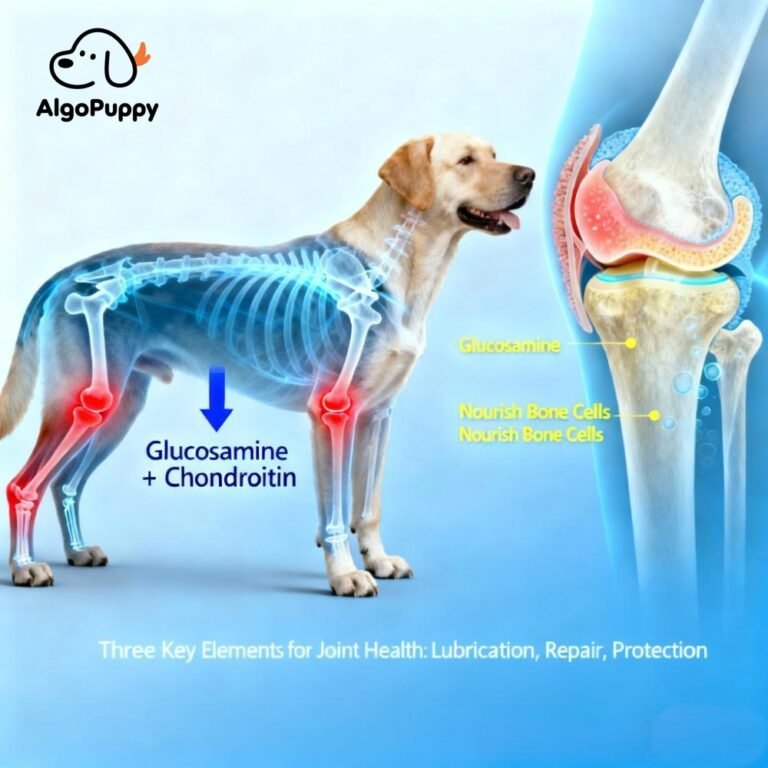
Glucosamine is classified as an amino sugar. It helps form and repair cartilage, tendons, ligaments, and synovial fluid — the fluid that lubricates joints.
The body produces glucosamine naturally, but levels tend to decrease with age. This decline may contribute to joint stiffness and discomfort, especially in older adults or pets like dogs and cats.
Because of this, many dietary supplements and pet foods are formulated with glucosamine to support joint function.
Key Benefits of Glucosamine
Research suggests that glucosamine may provide several important benefits for joint health:
1. Supports Cartilage Repair
Cartilage acts as a cushion between bones, preventing painful friction during movement.
Glucosamine helps maintain and rebuild this cartilage, which can slow down the progression of wear and tear over time.
2. Promotes Joint Lubrication
Healthy levels of glucosamine support the production of synovial fluid, which keeps joints well-lubricated.
This can improve flexibility and reduce stiffness, especially in aging adults or senior pets.
3. May Reduce Joint Discomfort
Some studies indicate that glucosamine may help reduce mild to moderate joint discomfort, particularly in conditions like osteoarthritis.
However, results can vary, and glucosamine is often most effective when combined with lifestyle changes such as regular exercise and a balanced diet.
4. Enhances Mobility in Pets
Dogs, especially large breeds, are prone to joint issues like hip dysplasia and arthritis.
Pet foods or supplements with glucosamine can support joint development in younger dogs and maintain mobility in older dogs and cats.
Natural Sources of Glucosamine
While glucosamine supplements are common, some foods naturally contain compounds that support joint health.
| Source | Description |
|---|---|
| Shellfish Shells | Shrimp, lobster, and crab shells are rich in glucosamine |
| Bone Broth | Contains natural compounds that support cartilage health |
| Chicken Cartilage | Found in chicken feet or joints, commonly used in broth |
| Certain Green Vegetables | Provide building blocks for the body to produce glucosamine |
Note: The glucosamine found in supplements is often derived from shellfish. Individuals or pets with shellfish allergies should check product labels carefully.
Common Forms of Glucosamine Supplements
When looking for products with glucosamine, you’ll find several common forms:
| Form | Best For | Notes |
|---|---|---|
| Glucosamine Sulfate | General joint support for humans | Most widely studied form |
| Glucosamine Hydrochloride | Dogs, cats, and some human supplements | Often combined with chondroitin |
| N-Acetyl Glucosamine | Specialized joint and gut health | Less common but highly bioavailable |
Many high-quality dog foods and joint supplements combine glucosamine with chondroitin, another compound that supports cartilage health.
Who Might Benefit from Glucosamine
Humans:
Adults with early signs of joint stiffness
Athletes or active individuals experiencing wear and tear
Older adults looking to maintain mobility
Pets:
Large dog breeds prone to hip and joint issues
Senior pets with reduced activity levels
Cats with arthritis or joint discomfort
Tips for Supporting Joint Health
While glucosamine can play a role in joint care, it works best when combined with other healthy habits:
Maintain a Healthy Weight
Excess weight puts extra stress on joints in both humans and pets.Provide Regular Exercise
Low-impact activities like walking or swimming help keep joints flexible.Balanced Diet
Nutrients like omega-3 fatty acids, vitamins C and E, and calcium work synergistically with glucosamine to support joint health.Regular Vet or Doctor Check-Ups
Early detection of joint problems ensures better management and care.
When to Consult a Professional
Before starting any supplement with glucosamine, it’s best to speak with a healthcare provider or veterinarian.
They can recommend appropriate dosages, check for allergies or interactions, and ensure the product fits specific health needs.
Conclusion
Glucosamine plays a vital role in maintaining healthy joints and cartilage for both humans and pets.
Whether through natural sources or supplements, adding glucosamine to a joint care routine can help promote flexibility, reduce stiffness, and support long-term mobility.
By understanding how glucosamine works and combining it with other healthy habits, you can take proactive steps toward better joint health for yourself or your furry companions.