Understanding Urinary Health Food for Pets: A Complete Guide
Introduction
Urinary health is a critical aspect of your pet’s overall well-being. Cats and dogs are prone to urinary tract issues, which can lead to discomfort, infections, or more serious kidney problems if left untreated. One of the most effective preventive measures is providing a diet specifically formulated to support urinary health. This guide will explain what urinary health food is, how it works, and how it can benefit your pet over the long term.
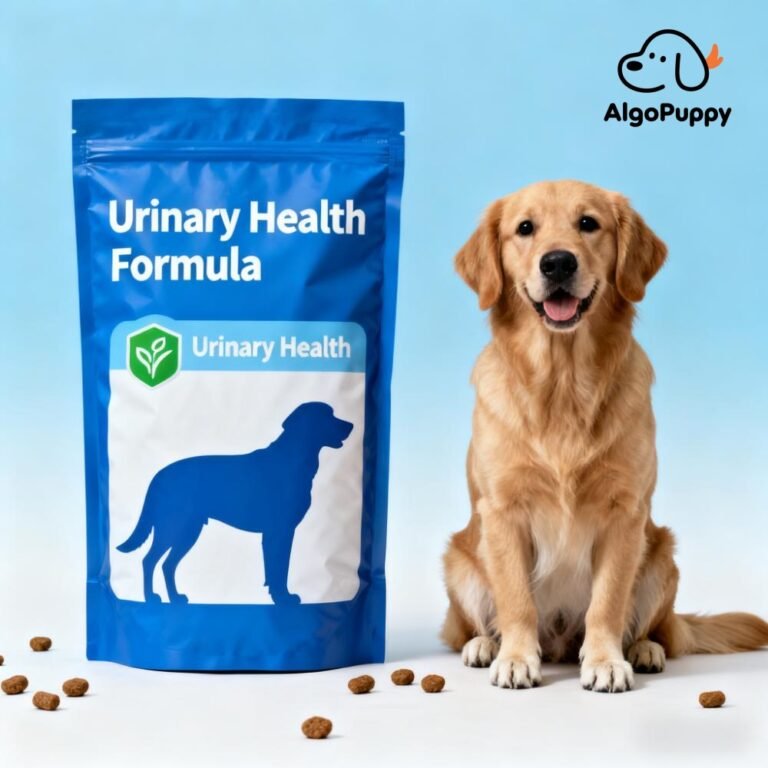
What Is Urinary Health Food?
Urinary health food refers to specially formulated diets for pets designed to maintain the proper pH balance in the urinary tract, reduce the risk of crystal and stone formation, and support kidney function. These diets are often recommended by veterinarians for pets prone to urinary problems.
Key Features Include:
Controlled mineral levels (magnesium, calcium, phosphorus) to prevent crystal formation
Optimized pH levels to maintain urine acidity
High-quality, easily digestible proteins
Added vitamins and antioxidants to support overall health
Why Urinary Health Matters for Cats and Dogs
Urinary issues are surprisingly common in pets:
Urinary Tract Infections (UTIs): Bacteria in the urinary tract can cause painful infections, frequent urination, and blood in the urine.
Bladder Stones: Crystals can accumulate and form stones, which may require surgery if not prevented.
Kidney Problems: Chronic urinary issues can strain the kidneys over time.
A diet that supports urinary health can significantly reduce the risk of these problems, keeping your pet comfortable and healthy.
How Urinary Health Food Works
Urinary health foods use a combination of nutritional strategies to protect the urinary tract:
pH Control: The right pH helps prevent crystal formation in the urine. Most urinary diets aim for a slightly acidic pH, which discourages struvite crystals.
Mineral Management: Controlling minerals like magnesium, calcium, and phosphorus is essential because excess levels can contribute to crystal and stone formation.
Hydration Support: Some formulas include higher moisture content to encourage water intake, keeping urine dilute and flushing out harmful substances.
Digestive Health: Easily digestible proteins reduce the burden on the kidneys while still providing essential nutrition.
Choosing the Right Urinary Health Food
Consult Your Veterinarian: Always seek professional advice before switching your pet’s diet, especially if they have a history of urinary issues.
Check Ingredients: Look for high-quality protein sources, controlled mineral levels, and added vitamins for immune support.
Monitor Your Pet: Observe urinary habits and health after switching foods. Any changes in frequency, color, or odor of urine should prompt a vet visit.
Transition Gradually: Mix the new diet with the old one over 7–10 days to avoid digestive upset.
Supporting Urinary Health Beyond Diet
Encourage Hydration: Provide fresh water at all times; a pet water fountain can increase water intake.
Regular Vet Check-Ups: Early detection of crystals or stones prevents serious complications.
Maintain a Healthy Weight: Obesity increases the risk of urinary issues in both cats and dogs.
Conclusion
Urinary health food plays a vital role in maintaining your pet’s urinary and overall health. By choosing the right formula, ensuring adequate hydration, and keeping up with regular veterinary care, you can reduce the risk of urinary problems and support your pet’s well-being for years to come.
Remember: Prevention is better than treatment. A carefully selected urinary diet combined with healthy habits can make a significant difference in your pet’s quality of life.