
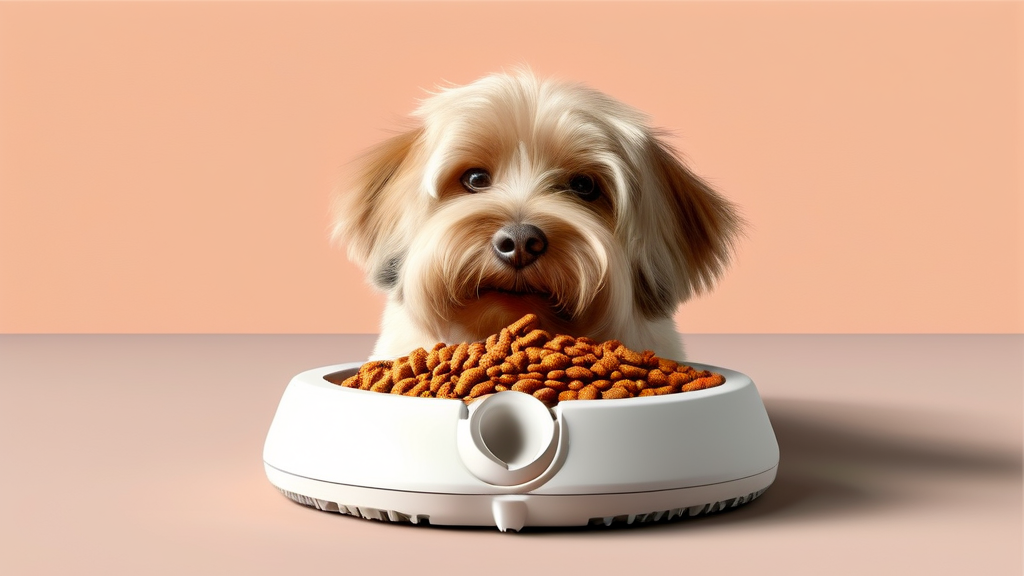
How To Make A Self Feeder For Dogs: A Comprehensive Technical Guide
Problem: Modern dog owners face a persistent dilemma: balancing work, travel, or unpredictable schedules with their pet’s strict feeding regimen. Commercial automatic feeders can be expensive, prone to mechanical failure, and often lack portion control customization. Homemade solutions, while cost-effective, risk overfeeding, jamming, or bacterial contamination if not designed correctly. This guide provides an analytical, step-by-step approach to building a reliable, safe, and portion-controlled DIY self-feeder using common materials and engineering principles.
Key Takeaways
- Portion control is non-negotiable: A self-feeder must dispense a measured amount per meal to prevent obesity and digestive issues. Use a volumetric or timed mechanism.
- Material safety matters: Avoid plastics that can leach chemicals or harbor bacteria. Food-grade stainless steel, BPA-free acrylic, or sealed wood are preferred.
- Gravity vs. motorized: Gravity feeders are simpler but less precise; motorized auger systems require basic electronics but offer programmable accuracy.
- Anti-jamming is critical: Kibble shape and size directly affect reliability. Design with a funnel angle of at least 45° and a smooth interior surface.
- Hygiene protocol: Include a removable bowl or liner for daily cleaning. Stagnant food invites mold and pests.
Understanding The Core Mechanics Of A Self-Feeder
Before cutting wood or soldering wires, you must understand the physical principles governing kibble flow. Dry dog food behaves like a granular material—it can bridge, clog, or flow unpredictably under pressure. The two primary design paradigms are:
- Gravity-fed (passive): A hopper with an angled chute that releases food into a bowl as the dog eats. No moving parts, but no portion control—the bowl refills continuously until the hopper is empty.
- Timed/motorized (active): A rotating auger or sliding gate dispenses a preset volume at scheduled intervals. Requires a timer, motor, and power source.
Analytical insight: Gravity feeders are suitable only for dogs that self-regulate eating (rare) or for short-term use. For most breeds, especially Labrador Retrievers, Beagles, or any food-motivated dog, an active system is essential to avoid overconsumption. The remainder of this article focuses on a motorized auger-based feeder because it offers the best balance of precision, reliability, and scalability.
Materials And Tools: Selecting For Durability And Safety
Essential Components
- Hopper: A large container (5–10 lb capacity) made of food-grade plastic or stainless steel. A 5-gallon bucket with a tight lid works well—it’s cheap, airtight, and easy to modify.
- Auger mechanism: A 1-inch diameter PVC pipe (8–12 inches long) with a spiral wire or plastic coil inside. Alternatively, use a 3D-printed auger or a kitchen flour sifter auger.
- Motor: A low-RPM, high-torque gear motor (12V DC, 10–20 RPM). Stepper motors offer precise rotation but require a driver board.
- Timer/controller: An Arduino Uno or Raspberry Pi Pico with a real-time clock (RTC) module. For simplicity, a 24-hour mechanical timer can switch the motor on/off.
- Dispensing chute: A 2-inch diameter PVC pipe angled at 45° to prevent kibble bridging.
- Bowl: Stainless steel, removable, with a non-skid base.
Tools Required
- Drill with hole saw bits (1-inch, 2-inch)
- Soldering iron and heat shrink tubing
- Hot glue gun or epoxy (food-safe)
- Multimeter for electrical testing
- Hacksaw or PVC cutter
Step-By-Step Construction: The Auger-Based Feeder
Step 1: Prepare The Hopper
Drill a 1-inch hole near the bottom of the bucket’s side wall. This hole must be positioned so the auger tube will sit horizontally, intersecting the bucket interior. The bottom of the hole should be flush with the bucket’s interior floor to allow complete food evacuation. Seal the edges with food-grade silicone to prevent leaks.
Step 2: Build The Auger Assembly
Cut a 10-inch length of 1-inch PVC pipe. Insert a spiral auger (purchased or hand-wound from 1/8-inch stainless steel wire) that fits snugly inside. The auger should extend 1 inch beyond the pipe’s exit end. Attach a 1-inch PVC coupler to one end to connect to the motor shaft. Use a set screw or epoxy to secure the auger to the motor shaft—alignment must be dead-center to avoid wobble.
Critical note: The auger’s pitch (distance between spiral turns) should match kibble size. For small kibble (1/4-inch), use a pitch of 1/2-inch. For large kibble (3/4-inch), use a pitch of 1-inch. This prevents crushing or jamming.
Step 3: Mount The Motor And Controller
Secure the motor to a wooden or acrylic bracket that attaches to the bucket’s side. The motor shaft should align perfectly with the auger tube. Use a flexible coupling if alignment is imperfect—this absorbs vibration and prevents bearing damage. Wire the motor to a 12V relay controlled by the Arduino. The RTC module triggers the relay at programmed times (e.g., 8:00 AM and 6:00 PM).
Power considerations: A 12V 2A power supply is sufficient for most gear motors. For portability, use a rechargeable 12V battery pack with a solar trickle charger.
Step 4: Fabricate The Dispensing Chute
Attach a 2-inch PVC pipe to the exit end of the auger tube at a 45° downward angle. This chute should direct food into the bowl without splashing. Cut a small notch at the chute’s tip to allow air to escape, preventing vacuum lock. Test with dry kibble—if food sticks, line the chute with a strip of smooth plastic or coat with food-grade wax.
Step 5: Calibrate Portion Size
Run the motor for a measured time (e.g., 5 seconds) and weigh the dispensed kibble. Adjust the run time until you achieve the desired portion (e.g., 1 cup). Formula: Portion weight (grams) = (Auger RPM × Time in seconds × Volume per revolution) / 1000. Record the calibrated time for each meal.
Hygiene, Maintenance, And Troubleshooting
Daily And Weekly Care
- Daily: Remove and wash the bowl in hot soapy water. Inspect the chute for kibble dust buildup.
- Weekly: Disassemble the auger tube and rinse with vinegar solution (1:4 with water). Dry thoroughly before reassembly.
- Monthly: Check motor bearings for debris. Lubricate with food-grade silicone spray if needed.
Common Failures And Fixes
- Jamming: Usually caused by kibble bridging at the hopper exit. Solution: Add a small agitator (a bent wire or 3D-printed star) inside the hopper that rotates with the auger.
- Inconsistent portions: Often due to motor speed variation under load. Solution: Use a closed-loop motor controller or a stepper motor for constant torque.
- Bacterial growth: Stagnant moisture in the chute. Solution: Drill a tiny weep hole at the lowest point of the chute to drain condensation.
Advanced Modifications For Precision And Safety
Wi-Fi And App Control
Replace the Arduino with an ESP32 module to enable remote feeding via smartphone. Integrate a load cell under the bowl to measure actual food consumption and adjust portions automatically. This closed-loop system prevents overfeeding even if the motor runs longer than intended.
Pet Identification
Add an RFID reader near the bowl. The feeder only dispenses when the correct pet’s tag is detected—ideal for multi-pet households where one dog must be separated during feeding.
Emergency Stop And Alarms
Program the microcontroller to halt feeding if the motor current exceeds a threshold (indicating a jam) and send a push notification. Also, include a manual override button for immediate dispensing.
Final Analytical Assessment: Is DIY Worth It?
Cost comparison: A commercial automatic feeder with similar features (programmable, portion control, anti-jam) costs $80–$150. A DIY build using new parts runs $40–$60, but requires 6–10 hours of labor. If your time is valued at $20/hour, the DIY option is break-even. However, the DIY feeder offers superior repairability—you can replace any component individually, whereas commercial units often fail as a sealed system. For tech-savvy owners who enjoy tinkering, the DIY route also allows customization for specific kibble shapes, bowl sizes, and feeding schedules that no commercial product matches.
Risk factors: Electrical safety (waterproofing the motor), pet tampering (dogs may dislodge the hopper), and regulatory compliance (if you sell feeders). Always test the final unit for 48 hours under supervision before leaving your dog alone with it.
By following this analytical guide, you can construct a self-feeder that is not only functional but also optimized for your dog’s health, your schedule, and long-term reliability. The key is to prioritize mechanical simplicity, material safety, and precise portion control—the three pillars of any successful pet feeding system.