The Complete Guide to Tennis Balls for Dogs: Safety, Durability, and Play Tips
Introduction
Tennis balls are one of the most popular toys for dogs, offering fun, exercise, and mental stimulation. However, not all tennis balls are created equal. Choosing the right tennis ball for your dog involves understanding safety, durability, size, and proper play techniques.
1. Best Tennis Ball for Dogs
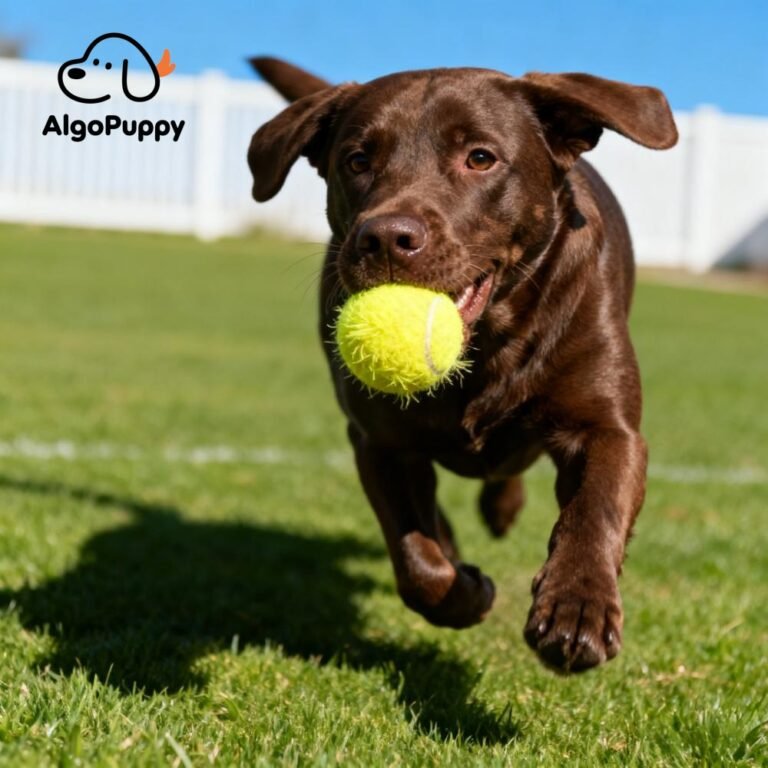
When selecting a tennis ball, look for products specifically designed for dogs. These balls are generally more durable and safer than standard tennis balls. Brands often use non-toxic materials and avoid small parts that could be swallowed.
2. Safe Tennis Balls for Dogs
Safety is the top priority. Avoid tennis balls that are too small, brittle, or coated with harmful chemicals. For puppies or aggressive chewers, consider rubber-based balls or balls labeled as non-toxic and pet-safe.
3. Tennis Ball Durability for Dogs
Dogs can be tough on toys. Durable tennis balls withstand heavy chewing and reduce the risk of breakage. Factors affecting durability include:
Material quality (rubber vs felt)
Ball size relative to your dog
Chewing habits
4. Tennis Ball Size Guide for Dogs
Choosing the right size prevents choking and ensures comfortable play:
Small dogs: 1.5–2 inches in diameter
Medium dogs: 2–2.5 inches
Large dogs: 2.5–3 inches
Always supervise play, especially with puppies or strong chewers.
5. Benefits of Playing Fetch with Tennis Balls
Playing fetch with tennis balls offers numerous advantages:
Exercise – Keeps your dog physically active
Mental stimulation – Engages problem-solving and coordination
Bonding – Strengthens the relationship between owner and dog
6. How to Clean Tennis Balls for Dogs
Regular cleaning prevents bacteria buildup. Wash tennis balls with mild soap and water, rinse thoroughly, and let them air dry. For extra hygiene, consider rotating multiple balls to avoid overuse.
7. Homemade Tennis Ball Alternatives for Dogs
If commercial balls are unavailable, DIY alternatives can be made with safe, durable materials. For example:
Soft rubber balls
Knotted ropes for fetching
Recycled fabric toys (avoid small parts)
8. Tennis Ball Safety Tips for Dogs
Always supervise playtime
Remove worn-out or broken balls immediately
Avoid extremely small balls for large dogs
Keep multiple balls on hand to rotate and maintain hygiene
Conclusion
Tennis balls are more than just toys—they promote health, mental stimulation, and bonding between dogs and their owners. By choosing safe, durable, and appropriately sized tennis balls, you can maximize playtime benefits and ensure your furry friend stays happy and healthy.