
The Complete Guide to Choosing the Perfect Bird Cage for Your Pet
A bird cage is more than just a home for your feathered friend — it’s a safe space where they eat, sleep, play, and thrive. Selecting the right cage is crucial for your bird’s health and happiness. This guide covers everything you need to know about bird cages, from size and materials to placement and cleaning tips.
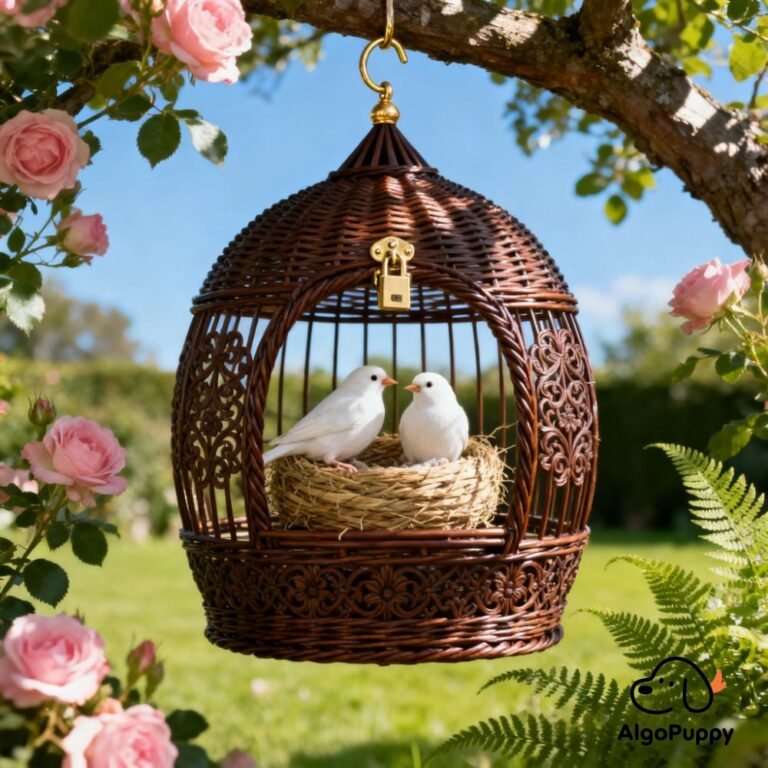
Why the Right Bird Cage Matters
Birds spend most of their lives inside their cages, so the environment you create directly affects their physical and mental well-being.
A proper cage helps to:
Provide safety from household hazards and predators
Support healthy exercise and wing flapping
Reduce stress and boredom through environmental enrichment
Maintain good hygiene and prevent diseases
Encourage natural behaviors like climbing, foraging, and playing
Factors to Consider When Choosing a Bird Cage
1. Cage Size
The most important factor when buying a bird cage is its size. A cage that’s too small can lead to stress, aggression, and even physical deformities.
Small birds (e.g., finches, canaries): Minimum width of 18–20 inches with horizontal bars for climbing
Medium birds (e.g., cockatiels, conures): At least 24 inches wide and tall
Large birds (e.g., African greys, macaws): 36 inches wide or more, with plenty of space for toys and perches
Tip: Bigger is always better. Your bird should be able to fully extend and flap its wings without hitting the bars.
2. Bar Spacing and Thickness
Proper bar spacing prevents accidents:
Small birds: ½ inch or less to prevent escape or injuries
Medium birds: ½ to ¾ inch
Large birds: 1 inch or more with sturdy bars
Bar thickness is also essential. Large birds like macaws need thicker, stronger bars to avoid bending or breaking.
3. Material and Coating
The material of a bird cage impacts safety and durability.
Stainless Steel: Non-toxic, rust-resistant, easy to clean, and long-lasting — best for households prioritizing safety and hygiene
Powder-Coated Steel: Affordable and durable but should be lead- and zinc-free
Avoid: Painted cages, galvanized metal, or cages with peeling coatings, as these can cause heavy metal poisoning in birds.
4. Shape and Design
Cage shape plays a role in a bird’s comfort level:
Rectangular cages: Best choice as they provide space for movement and security
Round cages: Not recommended — they can cause stress and feather plucking due to a lack of safe corners
Play-top designs: Offer built-in play areas to encourage exercise outside the cage
5. Ease of Cleaning
A clean cage is critical for preventing disease. Look for features like:
Pull-out trays for quick cleaning
Removable grates to separate waste from perches
Wide doors to access toys, food dishes, and perches easily
Pro Tip: Clean food and water bowls daily and do a deep clean of the entire cage at least once a week.
Cage Accessories Every Bird Needs
A cage isn’t complete without enriching accessories. Here’s what to include:
Perches: Offer a variety of natural wood perches with different diameters to prevent foot problems
Food and Water Bowls: Use stainless steel or ceramic bowls to avoid bacterial buildup
Toys: Rotate climbing ropes, foraging puzzles, and chew toys weekly to prevent boredom
Cage Liner: Use paper-based liners for easy waste tracking and safe cleaning
Bird Bath: Some birds love bathing; a shallow dish encourages natural grooming behaviors
Best Placement for a Bird Cage
Where you place the cage affects your bird’s comfort and security:
Keep the cage in a well-lit, active area where your bird can interact with family members
Avoid drafty windows, direct sunlight, and kitchens (fumes can be toxic to birds)
Place one side of the cage against a wall to create a sense of safety
Cleaning and Maintenance Tips
A dirty cage can lead to bacterial and fungal infections. Create a cleaning schedule:
Daily: Replace food and water, clean perches and toys, remove visible droppings
Weekly: Wipe down bars and tray, disinfect dishes
Monthly: Deep clean entire cage using bird-safe cleaners and warm water
Common Mistakes to Avoid
Buying a cage that’s too small – this can cause behavioral and health issues
Choosing unsafe materials – avoid cages with toxic coatings
Placing the cage in isolated rooms – birds are social animals and need interaction
Neglecting enrichment – lack of toys and perches leads to boredom and feather plucking
Skipping regular cleaning – dirty cages are breeding grounds for disease
When to Upgrade Your Bird Cage
You may need to invest in a new cage if:
Your bird has outgrown its current space
There are signs of rust or peeling paint
The cage is damaged or unsafe
You want to add more accessories or space for multiple birds
Conclusion: Building a Safe and Happy Home
A bird cage is a lifelong investment in your pet’s happiness and health. By choosing the right size, materials, and accessories, you create a safe and stimulating environment where your bird can thrive. Remember, the cage is not just a container — it’s your bird’s sanctuary.
Providing proper care and attention to cage selection demonstrates your commitment to responsible pet ownership and builds trust between you and your feathered friend.
Key Takeaways
Choose the largest cage your space and budget allow
Prioritize non-toxic, durable materials
Add perches, toys, and feeders for enrichment
Clean regularly to prevent disease
Place the cage in a safe, social area of your home