Understanding Probiotics for Pets: Benefits, Uses, and Safety Guide
As pet owners, we all want to support our furry companions’ health in the best possible way. One popular supplement gaining attention in recent years is probiotics. You might have seen products like dog food with probiotics or cat treats with probiotics, but what exactly are probiotics, and how do they benefit your pet?
This article provides a comprehensive guide to help you understand probiotics, their role in your pet’s health, and tips on safely adding them to your pet’s diet.
What Are Probiotics?
Probiotics are live, beneficial microorganisms — mainly bacteria and some yeasts — that support a healthy balance of gut flora. Just like humans, pets have trillions of microorganisms living in their digestive systems, which play a vital role in:
Breaking down food and aiding digestion
Supporting the immune system
Producing essential nutrients
Preventing harmful bacteria from overgrowing
When your pet’s gut bacteria are imbalanced, it can lead to digestive issues, poor nutrient absorption, and even weakened immunity. Probiotics help restore and maintain this balance.
Why Pets Might Need Probiotics
Not every pet needs probiotics every day, but there are certain situations where they can be especially helpful:
1. Digestive Upsets
Diarrhea or soft stools
Constipation
Gas or bloating
These symptoms often occur after sudden dietary changes, stress, or infections.
2. After Antibiotic Treatment
Antibiotics can kill both harmful and beneficial bacteria in the gut. Providing probiotics after antibiotic treatment helps repopulate healthy bacteria and restore gut health.
3. Stressful Situations
Events such as travel, moving to a new home, or loud noises (like fireworks) can stress pets, leading to digestive problems. Probiotics may help reduce these stress-related symptoms.
4. Support for Immune System
A significant portion of the immune system is located in the gut. A healthy gut flora can boost immunity, making probiotics beneficial for pets prone to illnesses or allergies.
Common Pet Products “With Probiotics”
You might notice many pet products labeled “with probiotics” in stores or online. These products typically include:
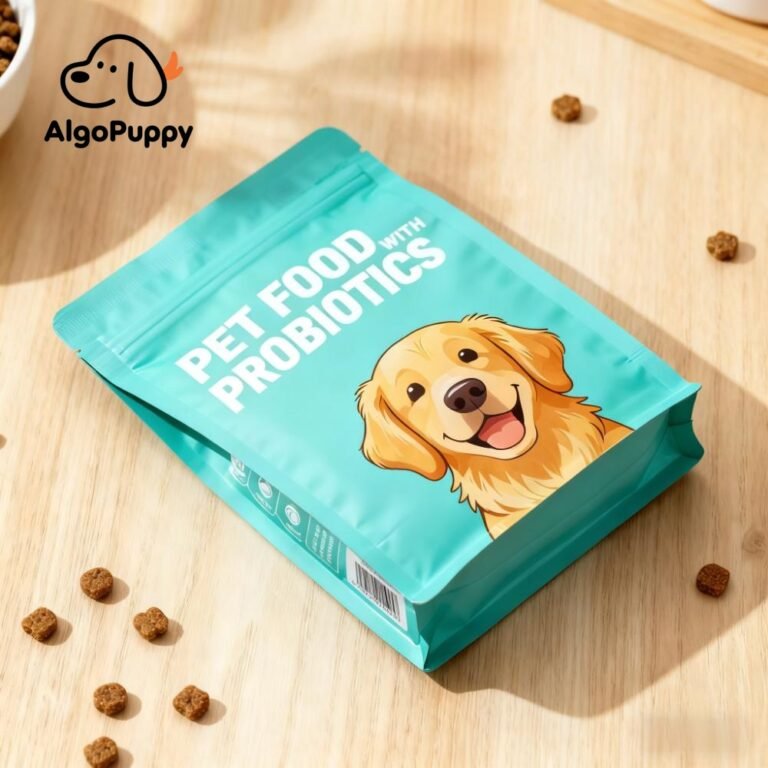
Dry or Wet Pet Food with Probiotics
Convenient for daily use
Provides consistent support for gut health
Probiotic Treats
Easy to give as rewards
Great for picky eaters
Powder or Capsule Supplements
Can be mixed into regular food
Often contains higher concentrations of probiotic strains
Tip: Always read the label to check the live bacteria count (measured in CFUs – colony-forming units) and ensure the product specifies which strains are included.
Choosing the Right Probiotic for Your Pet
When selecting a probiotic, consider these important factors:
1. Species-Specific Strains
Dogs and cats benefit from different probiotic strains than humans. Look for strains such as:
Lactobacillus acidophilus
Bifidobacterium animalis
Enterococcus faecium
2. Storage and Freshness
Probiotics are sensitive to heat and moisture.
Choose products in airtight packaging.
Store them in a cool, dry place, or refrigerate if recommended.
3. Veterinary Guidance
Always consult your veterinarian before introducing a new supplement, especially if your pet has ongoing health issues or is on medication.
Signs That Probiotics Are Working
Once you start giving probiotics, you may notice improvements such as:
Firmer, healthier stools
Less gas or bloating
Increased energy levels
Improved appetite
Shinier coat and healthier skin
These positive changes usually appear within a few weeks of consistent use.
Possible Side Effects of Probiotics
Probiotics are generally safe, but some pets may experience mild side effects at the beginning, including:
Temporary loose stools
Gas or mild bloating
These symptoms usually subside as your pet’s digestive system adjusts. If symptoms persist, stop the supplement and consult your vet.
Natural Sources of Probiotics
If you prefer to avoid supplements, certain natural foods contain probiotics:
Plain, unsweetened yogurt (in small amounts)
Fermented foods like kefir (pet-safe versions only)
⚠️ Important Note: Never give pets flavored or sweetened yogurt, especially products containing xylitol, which is toxic to dogs and cats.
When to Avoid Probiotics
Probiotics may not be suitable in certain cases:
Pets with severely compromised immune systems
Pets undergoing specific treatments where probiotics may interfere
Always check with a vet before starting probiotics in these situations.
Conclusion
Adding probiotics to your pet’s diet can be a safe, natural way to improve digestion, boost immunity, and support overall wellness. Whether you choose pet food with probiotics, special treats, or standalone supplements, consistency and proper strain selection are key to success.
By understanding how probiotics work and using them wisely, you can help your furry friend live a healthier, happier life.