Hypoallergenic Pet Food: A Complete Guide to Managing Pet Allergies
Pet owners often face a common yet frustrating issue — allergies. When your dog or cat suffers from constant itching, ear infections, or digestive problems, food allergies may be the culprit. Choosing the right hypoallergenic pet food can make a dramatic difference in your pet’s health and quality of life.
This article explores what hypoallergenic pet food is, how to identify food allergies, and how to select safe and effective options for your furry friend.
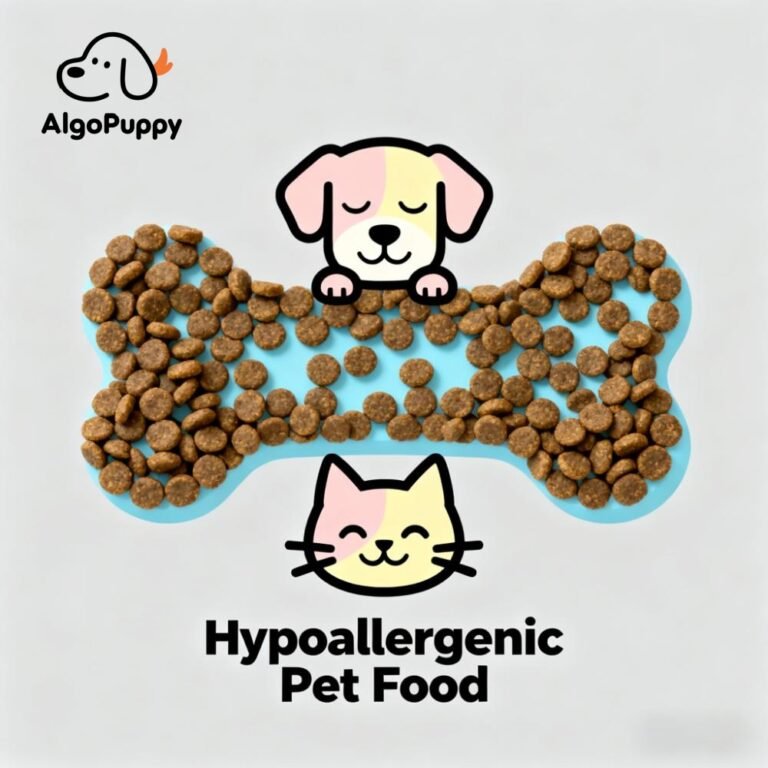
What Is Hypoallergenic Pet Food?
Hypoallergenic pet food is specially formulated to reduce the risk of allergic reactions in pets. It achieves this by using:
Limited ingredients to minimize exposure to potential allergens.
Novel proteins that your pet has never eaten before, such as venison, duck, or rabbit.
Hydrolyzed proteins, which are broken down into tiny molecules that are less likely to trigger an immune response.
Example: Instead of common proteins like chicken or beef, a hypoallergenic formula may use salmon or kangaroo to prevent allergic flare-ups.
Signs Your Pet Might Have Food Allergies
Recognizing the symptoms of food allergies is the first step toward solving the problem. Some common signs include:
Persistent itchy skin, redness, or rashes
Frequent ear infections or head shaking
Excessive licking or chewing on paws
Chronic digestive issues like diarrhea or vomiting
Poor coat condition or unusual hair loss
If you notice these symptoms, consult a veterinarian to rule out other causes such as parasites or environmental allergies.
Common Food Allergens in Pets
Certain ingredients are more likely to trigger allergic reactions in dogs and cats. These include:
| Common Protein Allergens | Common Grain Allergens |
|---|---|
| Chicken | Wheat |
| Beef | Corn |
| Dairy | Soy |
| Lamb | Barley |
| Fish (common types like tuna) | Oats |
Note: Grain-free does not always mean hypoallergenic. Some pets are sensitive to protein sources rather than grains.
How Hypoallergenic Pet Food Helps
Switching to a hypoallergenic diet can:
Reduce skin irritation and itching
Improve digestion and nutrient absorption
Strengthen your pet’s immune system
Enhance coat health and shine
Prevent recurring allergic reactions
For best results, most veterinarians recommend a strict 8–12 week food trial, feeding only the selected hypoallergenic formula with no other treats or table scraps.
Types of Hypoallergenic Pet Food
There are several categories of hypoallergenic diets available. Understanding these will help you make the right choice:
1. Limited Ingredient Diet (LID)
Contains fewer ingredients to reduce the chances of exposure to allergens.
Often features a single novel protein and carbohydrate source.
Best for: Mild to moderate food sensitivities.
2. Hydrolyzed Protein Diet
Proteins are broken down into smaller components, making them less recognizable to the immune system.
Often used for pets with severe or complex allergies.
Best for: Pets with multiple food allergies or chronic symptoms.
3. Grain-Free Hypoallergenic Formulas
Eliminates common grain allergens like wheat, corn, and soy.
Uses alternative carbohydrates such as sweet potatoes or peas.
Best for: Pets with known grain sensitivities.
How to Choose the Right Hypoallergenic Pet Food
When selecting hypoallergenic food, consider these factors:
Consult Your Veterinarian:
Professional guidance is essential for identifying allergens and creating a safe diet plan.Check the Ingredient List:
Avoid common allergens and focus on novel protein sources.Look for Certification and Quality:
Choose brands that follow strict quality control and use safe, traceable ingredients.Start a Food Trial:
Stick to one food exclusively for at least 8 weeks to accurately assess results.
Additional Tips for Managing Pet Allergies
Introduce New Foods Gradually: Sudden changes can upset your pet’s stomach.
Monitor for Environmental Allergies: Dust, pollen, and mold can also cause reactions.
Keep a Food Journal: Track your pet’s diet and symptoms to identify triggers.
Regular Grooming: Bathing with hypoallergenic shampoos can reduce skin irritation.
When to Seek Veterinary Care
If your pet’s symptoms persist despite dietary changes, seek veterinary care. In some cases, additional testing such as allergy blood tests or skin testing may be required to identify specific allergens.
Final Thoughts
Choosing the right hypoallergenic pet food can transform your pet’s health and happiness. By understanding common allergens, symptoms, and treatment options, you can make informed decisions and provide a safe, nourishing diet for your furry companion.
Remember: food allergies are manageable, but patience and consistency are key. With the right diet and proper veterinary guidance, your pet can enjoy a life free of itching, discomfort, and digestive issues.