Natural Pet Food Guide: Benefits, Types, and How to Choose the Best for Your Pet
Feeding your pets the right food is one of the most important decisions you can make as a pet owner. In recent years, natural pet food has become increasingly popular as people seek healthier, more sustainable diets for their furry companions.
This guide will help you understand what natural pet food is, its benefits, and how to choose the right option for your dog or cat.

What Is Natural Pet Food?
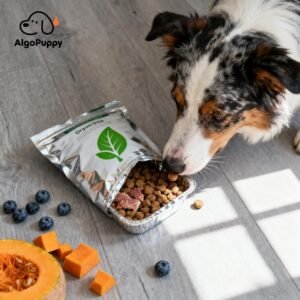
Natural pet food is made with minimally processed, naturally sourced ingredients. It avoids artificial preservatives, flavors, and colors. The focus is on whole-food ingredients like real meat, vegetables, whole grains, and healthy fats.
Unlike conventional pet food, which may contain fillers and by-products, natural pet food aims to deliver better nutrition and mimic the kind of diet animals might have in nature.
Key Benefits of Natural Pet Food
Switching your pet to a natural diet can provide a wide range of health benefits:
1. Better Digestive Health
Natural ingredients are easier for pets to digest and absorb, making them especially helpful for pets with sensitive stomachs or food intolerances.
This can reduce bloating, gas, and digestive discomfort.
2. Healthier Skin and Shinier Coat
Natural pet foods are rich in omega-3 and omega-6 fatty acids, which support healthy skin and a glossy coat.
Pets suffering from itchy skin or dull fur often see improvement after transitioning to a natural diet.
3. Stronger Immune System
Whole-food ingredients like fruits and vegetables are full of vitamins and antioxidants, which help strengthen your pet’s immune system and keep them healthier over time.
4. Reduced Allergies
Many commercial pet foods contain artificial additives or common allergens like corn and soy.
Natural pet food often eliminates these triggers, making it ideal for pets with food allergies.
Natural vs. Organic Pet Food
Many people confuse natural pet food with organic pet food, but there are key differences you should know:
| Feature | Natural Pet Food | Organic Pet Food |
|---|---|---|
| Definition | Made with naturally sourced ingredients, minimal processing. | Ingredients grown without synthetic fertilizers, pesticides, or GMOs. |
| Certification | No strict certification required. | Must meet USDA or equivalent organic standards. |
| Price | Usually more affordable. | Typically more expensive. |
| Focus | Balanced, natural nutrition. | Chemical-free farming and sustainability. |
Tip: If you’re on a budget, starting with natural pet food is perfectly fine.
You can add organic options later for extra quality.
Grain-Free Natural Pet Food: Pros and Cons
Grain-free diets are trending, but they’re not always necessary.
Some pets do benefit, while others do better with whole grains.
Pros:
Reduces allergic reactions in pets sensitive to grains.
Easier to digest for some dogs and cats.
Can improve energy levels and reduce bloating.
Cons:
Not every pet needs a grain-free diet; whole grains like brown rice and oats can provide valuable nutrients.
Certain grain-free diets have been linked to heart issues in dogs.
Recommendation: Always talk to your vet before switching your pet to a grain-free natural food diet.
How to Transition Your Pet to Natural Food
Changing your pet’s diet suddenly can cause digestive upset.
Follow these steps for a smooth transition:
Start Slow – Begin with 25% natural food and 75% old food for the first 2–3 days.
Gradually Increase – Move to a 50/50 mix, then 75/25 over 7–10 days.
Monitor for Reactions – Watch for vomiting, diarrhea, or lethargy.
Stick to a Routine – Avoid switching brands frequently, as consistency helps digestion.
Choosing the Best Natural Pet Food for Senior Pets
Older pets require specialized nutrition. Look for these features in natural food for senior pets:
Joint Support: Ingredients like glucosamine and chondroitin for joint health.
Low Calories: Prevents weight gain in less active pets.
Soft Texture: Easier to chew for pets with dental issues.
Homemade Natural Pet Food Ideas
If you want full control over ingredients, homemade natural food is a great option.
Here’s a simple balanced recipe for dogs:
50% protein: Chicken, turkey, or lean beef
25% complex carbs: Brown rice, quinoa, or sweet potato
25% vegetables: Carrots, spinach, peas
Important: Always consult your veterinarian before feeding homemade meals to ensure your pet’s diet is nutritionally complete.
Safety Tips for Natural Pet Food
Even natural foods can become unsafe if not stored properly:
Keep dry food in airtight containers to prevent contamination.
Refrigerate wet or homemade food immediately.
Clean food and water bowls daily.
Check expiration dates before serving.
Conclusion
Natural pet food can greatly improve your pet’s overall health and happiness.
By choosing minimally processed ingredients and avoiding artificial additives, you give your furry companion a diet that supports digestion, immunity, and long-term well-being.
Whether you opt for commercial natural food or homemade recipes, make changes gradually and always consult your veterinarian for personalized guidance.