Interactive Dog Toys: A Complete Guide to Mental Stimulation and Healthy Play
Dogs are naturally curious, energetic, and playful creatures. Without proper physical exercise and mental stimulation, they can quickly become bored, stressed, or even destructive. Interactive dog toys are specially designed to keep dogs engaged while providing exercise and problem-solving challenges.
This guide will help you understand what interactive dog toys are, their benefits, different types available, and how to choose the best one for your furry friend.
1. What Are Interactive Dog Toys?
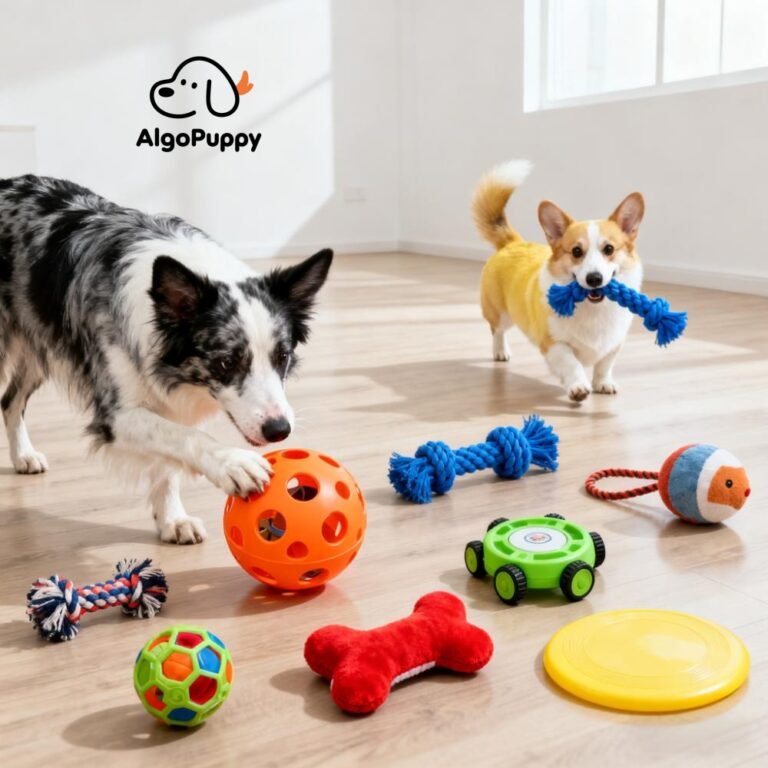
Interactive dog toys are designed to stimulate a dog’s mind and encourage active play, going beyond traditional toys like simple balls or ropes.
These toys often require dogs to:
Solve puzzles to access treats or rewards
Work on physical challenges like pushing, rolling, or chewing
Engage with toys independently when owners are busy
Example: A treat-dispensing ball that only releases food when the dog rolls it in a certain way.
Interactive toys are especially useful for intelligent and high-energy breeds like Border Collies, German Shepherds, and Labrador Retrievers.
2. Why Interactive Toys Are Important for Dogs
Mental Stimulation
Dogs need to exercise their brains just as much as their bodies.
Reduces boredom
Prevents destructive behaviors like chewing furniture or excessive barking
Strengthens problem-solving skills
Physical Exercise
Some interactive toys encourage running, jumping, or chasing, which helps:
Maintain a healthy weight
Improve cardiovascular health
Release pent-up energy
Stress and Anxiety Relief
Interactive play can help dogs with separation anxiety or nervousness by keeping them occupied when alone.
Slower Eating and Digestive Health
Puzzle feeders and slow-release toys prevent dogs from gulping down food too quickly, reducing risks like bloating or choking.
3. Types of Interactive Dog Toys
Different dogs have different play styles and needs. Here are the main categories of interactive toys:
| Type | Description | Best For |
|---|---|---|
| Puzzle Toys | Require dogs to solve challenges to get treats or food | Intelligent breeds, mental stimulation |
| Treat-Dispensing Toys | Dispense small treats as the dog plays | Slow feeding, boredom prevention |
| Chew Toys with Challenges | Durable toys that encourage safe chewing | Teething puppies, heavy chewers |
| Electronic Toys | Use motion or sound to keep dogs engaged | Dogs left alone for long periods |
| Interactive Ball Launchers | Automatically throw balls for fetch games | High-energy dogs that love running |
| Snuffle Mats | Hide treats in fabric layers for nose work | Natural foraging behavior |
4. How to Choose the Right Interactive Toy
Selecting the right toy depends on your dog’s personality, size, and energy level.
1. Consider Your Dog’s Age
Puppies: Soft puzzle toys and teething-friendly chew toys.
Adult Dogs: Durable, challenging toys that match their energy level.
Senior Dogs: Softer toys with easier puzzles to avoid frustration.
2. Match the Toy to Your Dog’s Play Style
Chasers: Ball launchers, frisbees, and moving electronic toys.
Problem Solvers: Complex puzzle feeders and treat-dispensing toys.
Chewers: Heavy-duty chew toys with hidden rewards.
3. Choose the Right Size
Toys that are too small pose choking hazards.
Large dogs need sturdier toys to prevent easy destruction.
4. Safety Considerations
Avoid toys with small detachable parts.
Use non-toxic, BPA-free materials.
Supervise initial play to ensure your dog uses the toy safely.
5. Tips for Introducing Interactive Toys
Some dogs need guidance to learn how to use new toys. Follow these steps:
Start Simple
Begin with easy toys so your dog understands the reward system.
Demonstrate Play
Show your dog how the toy works by rolling it or dispensing treats yourself.
Use High-Value Rewards
Encourage engagement with favorite treats or kibble.
Keep Sessions Short
10–15 minutes at a time prevents frustration and keeps play fun.
Gradually Increase Difficulty
Switch to more complex puzzles as your dog improves.
6. Common Mistakes to Avoid
Buying toys too advanced: This may discourage your dog if they cannot solve the puzzle.
Leaving toys unsupervised: Some toys may break and become dangerous if not monitored.
Using only one toy: Rotate different toys to maintain novelty and excitement.
Neglecting interaction: These toys supplement, not replace, quality playtime with owners.
7. DIY Interactive Dog Toys
You don’t always need to buy expensive products — here are some simple DIY ideas:
Tennis Ball Treat Puzzle: Cut a slit in a tennis ball, insert treats, and let your dog figure out how to release them.
Towel Snuffle Roll: Wrap kibble inside a towel and roll it up for your dog to unroll.
Muffin Tin Puzzle: Place treats in muffin tin cups and cover them with tennis balls.
Safety Tip: Always supervise your dog with homemade toys to prevent accidental ingestion of non-edible materials.
8. Cleaning and Maintenance
Interactive toys can accumulate bacteria, so regular cleaning is essential:
Rubber or plastic toys: Wash with warm, soapy water and rinse thoroughly.
Fabric toys: Machine wash on a gentle cycle.
Electronic toys: Wipe with a damp cloth, avoiding water near battery compartments.
9. Summary: Enriching Your Dog’s Life with Interactive Toys
Interactive dog toys are more than just playthings — they are essential tools for mental stimulation, physical health, and emotional well-being.
By choosing the right toys and introducing them properly, you can prevent boredom, reduce destructive behaviors, and build a stronger bond with your furry companion.
Remember: A happy, active dog is a healthy dog!