
Interactive Cat Toys: Boost Your Cat’s Health and Happiness
Cats are curious, energetic, and highly intelligent animals. While many cat owners focus on food and litter boxes, mental stimulation is equally important for a cat’s well-being. Interactive cat toys are designed to engage your feline friend, promote exercise, and prevent destructive behaviors.
This guide will explain the benefits, types, and selection tips for interactive cat toys, helping you make informed choices for your cat.
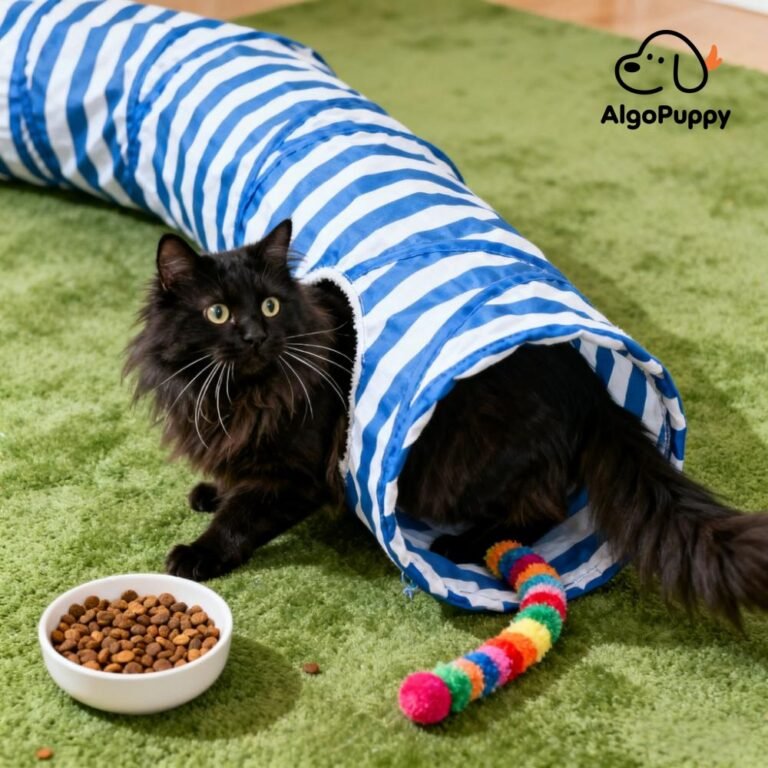
Why Interactive Cat Toys Are Important
1. Mental Stimulation
Cats need to exercise their minds just as much as their bodies. Toys that challenge problem-solving skills, like puzzle feeders, help reduce boredom and prevent stress-related behaviors such as excessive scratching or over-grooming.
2. Physical Exercise
Interactive toys encourage running, jumping, and chasing, which helps maintain a healthy weight, improves cardiovascular health, and strengthens muscles.
3. Reduces Anxiety and Destructive Behavior
A well-stimulated cat is less likely to claw furniture, bite cords, or show signs of separation anxiety. Interactive play keeps your cat engaged, especially when you are busy or away from home.
4. Slower Eating and Better Digestion
Puzzle feeders and treat-dispensing toys help cats eat at a slower pace, reducing the risk of bloating, vomiting, and overeating.
Types of Interactive Cat Toys
| Type | Description | Best For |
|---|---|---|
| Puzzle Toys | Cats solve challenges to access treats | Mental stimulation, food-motivated cats |
| Laser Toys | Red dot moves unpredictably for chasing | Active cats that enjoy hunting simulation |
| Electronic Toys | Motion or sound-activated to keep cats engaged | Cats left alone for long periods |
| Treat-Dispensing Toys | Slowly release food as cats play | Slower feeding, boredom prevention |
| Interactive Balls | Roll or bounce unpredictably | Chasing and pouncing practice |
| Catnip Toys | Infused with catnip for sensory stimulation | Stress relief and excitement |
How to Choose the Right Interactive Cat Toy
Consider Your Cat’s Age
Kittens: Soft and small toys for teething and play
Adult Cats: Durable, challenging toys
Senior Cats: Gentle toys with less intense movement
Match Play Style
Hunters: Laser toys, balls, and moving electronic toys
Problem Solvers: Puzzle feeders and treat-dispensing toys
Loungers: Catnip toys and interactive mats
Safety Considerations
Avoid small detachable parts that may be swallowed
Use non-toxic, BPA-free materials
Supervise new toys to ensure safe play
Tips for Introducing Interactive Toys
Start Simple: Begin with easy toys so your cat understands the reward system.
Demonstrate Play: Show your cat how toys work by activating or rolling them.
Use High-Value Rewards: Encourage engagement with favorite treats.
Short Sessions: 10–15 minutes at a time prevents frustration.
Gradually Increase Difficulty: Switch to more complex puzzles as your cat improves.
DIY Interactive Cat Toys
You can make fun toys at home to supplement purchased ones:
Cardboard Box Maze: Cut holes for cats to explore and hunt.
Paper Ball Treat Roll: Wrap treats in a paper ball for rolling fun.
Sock Catnip Toy: Fill an old sock with catnip and tie it securely.
Tip: Always supervise your cat with homemade toys to prevent accidental ingestion.
Cleaning and Maintenance
Interactive toys can harbor bacteria, so regular cleaning is important:
Plastic or Rubber Toys: Wash with warm, soapy water and rinse well.
Fabric Toys: Machine wash on a gentle cycle.
Electronic Toys: Wipe with a damp cloth; avoid water near battery compartments.
Affiliate Recommendations
Here are some highly-rated interactive cat toys available online:
Puzzle Feeder Toy: Buy on Amazon
Automatic Laser Toy: Buy on Amazon
Treat-Dispensing Ball: Buy on Amazon
Ensure to rotate toys regularly to maintain novelty and excitement for your cat.
Conclusion
Interactive cat toys are essential for mental stimulation, physical health, and emotional well-being. By choosing the right toys and introducing them properly, you can prevent boredom, reduce destructive behaviors, and strengthen your bond with your feline companion.
Remember: A happy, active cat is a healthy cat!