
Switching to Holistic Pet Food: A Step-by-Step Guide to Solve Digestive and Allergy Issues
Common Problems With Conventional Pet Diets
Many pet owners struggle with their dogs or cats experiencing frequent stomach upsets, itchy skin, or low energy levels. These issues are often caused by hidden fillers, artificial preservatives, and low-quality ingredients in regular pet food.
If your pet regularly shows any of these symptoms:
Loose stools or frequent diarrhea
Chronic scratching or skin irritation
Loss of appetite or sudden weight changes
Dull coat or excessive shedding
…it could be a sign that their current diet isn’t meeting their nutritional needs.
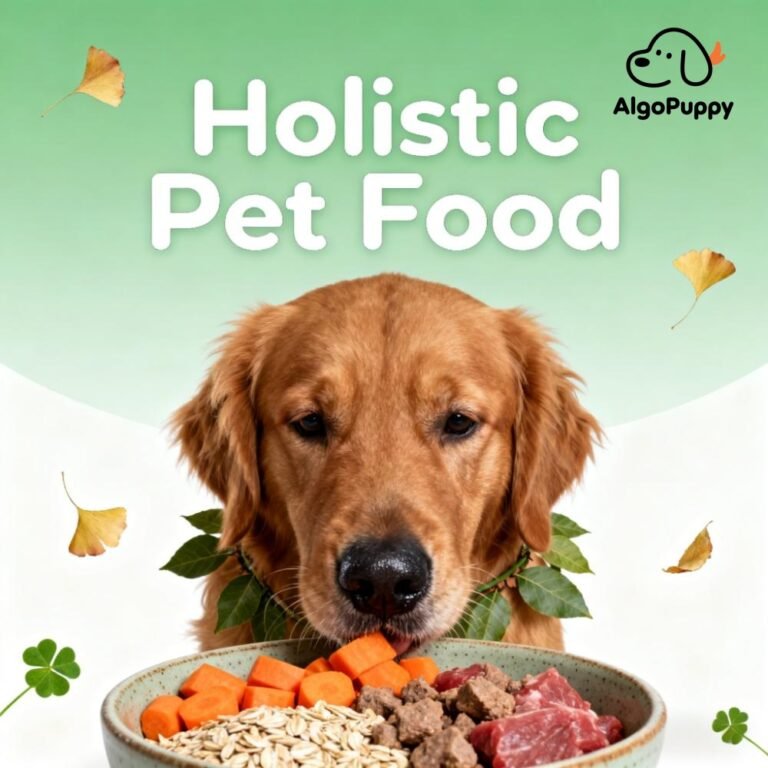
Why Holistic Pet Food Can Help
Holistic pet food focuses on natural, whole ingredients that work together to support overall wellness, rather than simply filling your pet’s stomach. Many holistic recipes include:
High-quality animal proteins for muscle health
Fresh fruits and vegetables packed with antioxidants
Essential fatty acids for skin and coat health
Probiotics to improve digestion and gut balance
This approach can help reduce allergy symptoms, improve digestion, and boost your pet’s energy and immune system.
How to Transition Your Pet Safely
Switching foods suddenly can upset your pet’s stomach. To make the transition smooth, mix the new food with their old food over 7–10 days:
| Day | Old Food | New Holistic Food |
|---|---|---|
| Days 1-3 | 75% | 25% |
| Days 4-6 | 50% | 50% |
| Days 7-9 | 25% | 75% |
| Day 10+ | 0% | 100% |
Extra tips:
Provide plenty of fresh water during the transition.
Observe your pet’s stool consistency and energy levels.
If you notice severe vomiting or diarrhea, slow down the transition or consult a veterinarian.
Solving Specific Issues with Holistic Pet Food
1. Pets with Food Allergies
Dogs and cats with allergies often do better on limited ingredient holistic pet food that uses a single source of protein, such as salmon or lamb. This helps reduce the chances of triggering allergic reactions.
2. Pets with Sensitive Stomachs
For pets with frequent digestive problems, choose holistic foods that include probiotics, prebiotics, and gentle fiber sources like brown rice or oatmeal. These ingredients support gut health and reduce bloating or gas.
3. Senior Pets
Older pets need extra care. Holistic senior dog food often contains added antioxidants and joint-supporting nutrients like glucosamine to keep them active and comfortable.
Signs the Switch Is Working
After a few weeks on a holistic diet, you may notice positive changes such as:
Shinier, softer coat
Improved digestion and firmer stools
Increased playfulness and energy
Reduced scratching or allergy flare-ups
These are signs that your pet’s body is responding well to the new nutrition.
When to See a Vet
While holistic food can solve many common dietary issues, persistent symptoms like chronic vomiting, sudden weight loss, or ongoing diarrhea should be evaluated by a veterinarian.
Your vet can run tests to identify specific allergies or conditions and may recommend a tailored diet.
Final Thoughts
Switching to a holistic diet is one of the most impactful decisions you can make for your pet’s overall well-being. By focusing on natural, nutrient-rich ingredients, you can address common problems such as allergies, digestive upset, and low energy while giving your furry friend a healthier and happier life.