
Signs of Ear Infection in Cats: How to Identify and Treat Feline Ear Problems
Ear infections in cats are more common than many pet parents realize. If left untreated, they can cause pain, hearing loss, and even permanent ear damage. The good news is that most ear infections can be treated effectively if caught early.
In this guide, we’ll cover how to recognize the signs of an ear infection in cats, possible causes, and what you can do to help your feline friend heal quickly.
Why Cat Ear Infections Shouldn’t Be Ignored
Cats are experts at hiding discomfort. This means ear infections often go unnoticed until they become severe.
Untreated ear infections can lead to:
Chronic ear problems and recurring infections
Hearing loss
Balance issues due to inner ear damage
Painful abscesses or ruptured eardrums
Catching the infection early makes treatment faster and less expensive.
Common Signs of Ear Infection in Cats
Here are the most noticeable symptoms to watch for:
1. Constant Head Shaking or Tilting
If your cat keeps shaking their head or tilting it to one side, it may be trying to relieve itching or pain inside the ear.
2. Excessive Scratching of the Ear
Persistent scratching can cause skin irritation or even bleeding around the ear area.
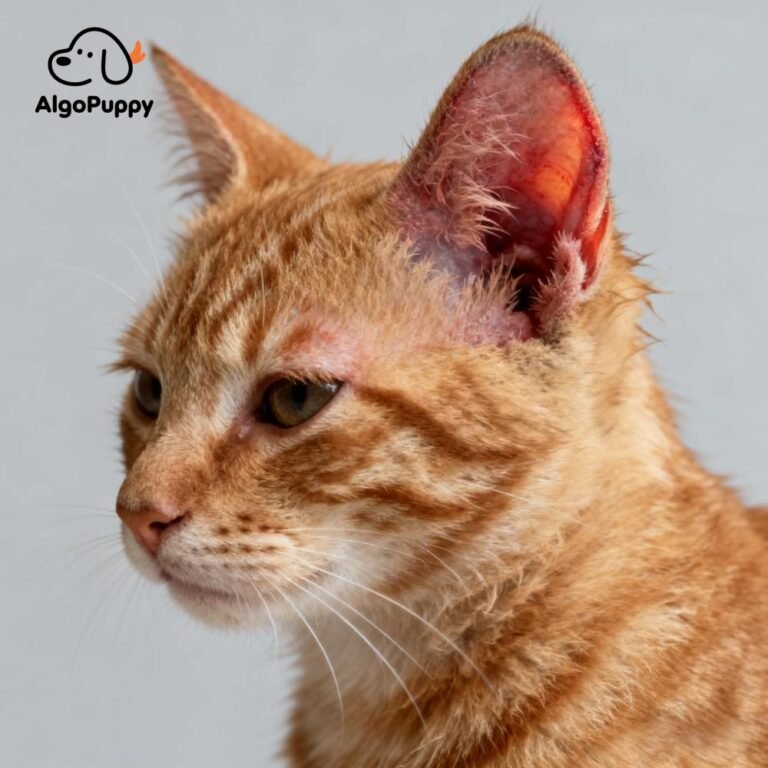
3. Redness or Swelling
A healthy cat’s ear should be pale pink.
Red, inflamed ears are often a clear sign of infection or irritation.
4. Unusual Odor
A foul smell coming from your cat’s ear often indicates a bacterial or yeast infection.
5. Discharge or Ear Wax Buildup
Brown, yellow, or black discharge may signal an ear mite infestation or fungal infection.
6. Sensitivity When Touched
If your cat flinches, cries, or hides when you touch its ear, it’s a strong sign of discomfort.
7. Loss of Balance or Coordination
Inner ear infections can affect a cat’s balance, causing them to stumble or walk unsteadily.
Possible Causes of Ear Infections in Cats
Understanding the cause is essential for proper treatment. The most common culprits include:
| Cause | Description |
|---|---|
| Ear Mites | Tiny parasites that cause intense itching and dark debris. |
| Yeast or Bacteria | Thrive in moist environments, leading to infections. |
| Allergies | Food or environmental allergies causing ear inflammation. |
| Foreign Objects | Grass seeds, dirt, or debris lodged in the ear canal. |
| Underlying Illness | Conditions like diabetes or immune issues increasing infection risk. |
At-Home First Steps
If you notice mild symptoms, you can take these initial steps before visiting a vet:
Check for debris or mites
Use a flashlight to gently examine your cat’s outer ear.Clean gently
Use a cat-safe ear cleaner (never hydrogen peroxide) and a cotton ball to wipe the outer ear only.Keep your cat indoors
Until diagnosed, limit outdoor access to prevent further contamination.
⚠️ Important:
If symptoms include bloody discharge, severe swelling, or balance problems, see a veterinarian immediately. These are signs of a serious infection.
When to See a Veterinarian
Visit a vet if you notice:
Persistent scratching or shaking for more than 48 hours
Sudden changes in balance or walking
Visible pus or blood in the ear
Strong, unpleasant odor
Infection symptoms returning after previous treatment
Your vet will perform an ear exam, possibly take a sample, and prescribe antibiotics, antifungal medication, or ear drops based on the cause.
Treatment Options for Cat Ear Infections
| Treatment Type | Purpose |
|---|---|
| Medicated Ear Drops | Kill bacteria, yeast, or mites directly in the ear. |
| Oral Antibiotics | Treat severe bacterial infections. |
| Antifungal Medication | Address yeast-related infections. |
| Ear Cleaning by Vet | Removes debris and improves medication effectiveness. |
| Anti-inflammatory Medicine | Reduces pain and swelling. |
Preventing Future Ear Infections
Regular ear checks – Look inside your cat’s ears weekly.
Routine cleaning – Use vet-approved ear cleaners once every 2–4 weeks.
Manage allergies – Work with your vet to control underlying issues.
Keep ears dry – Moisture encourages bacteria and yeast growth.
Flea and mite prevention – Use monthly parasite control treatments.
Frequently Asked Questions
1. Can I treat a cat ear infection at home without a vet?
No. While you can clean the ear and provide comfort, proper treatment requires a vet diagnosis and prescription medication.
2. How long does it take for a cat ear infection to heal?
Mild infections may clear up in 7–10 days, while severe cases can take 2–4 weeks with treatment.
3. Are cat ear infections contagious?
Ear mites are contagious between pets, but bacterial or yeast infections usually are not.
Conclusion: Act Fast to Protect Your Cat’s Ears
Ear infections in cats can be painful and lead to serious complications if ignored. By learning the early signs of ear infections, you can seek treatment quickly and help your cat recover comfortably.
Regular ear care, routine cleaning, and vet check-ups are the best ways to prevent future infections and keep your feline friend happy and healthy.