Essential Fish Supplies: Solving Common Problems for New Aquarium Owners
Setting up a home aquarium is exciting, but it can also feel overwhelming for beginners. Many first-time fish owners face problems like cloudy water, sick fish, or rapid algae growth. These issues are usually caused by missing or improperly using essential fish supplies.
This guide will show you exactly what you need to create a healthy aquarium environment. By understanding the role of each tool, you can prevent common problems and keep your fish thriving.
Common Problems Faced by New Fish Owners
Here are some of the most frequent issues that beginner aquarists encounter:
Cloudy or Dirty Water
Caused by poor filtration or skipping regular water changes.
Can stress fish and lead to disease.
Fish Getting Sick or Dying Quickly
Usually due to bad water quality or lack of proper tank cycling.
Algae Overgrowth
Happens when tanks get too much light or excess nutrients.
Stressed or Hiding Fish
Often caused by incompatible tank mates, wrong temperature, or lack of hiding spots.
Most of these issues can be prevented with the right aquarium supplies and a consistent maintenance routine.
Essential Fish Supplies and How They Solve Problems
1. Aquarium Filter: The Key to Clean Water
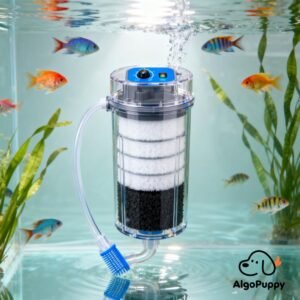
A reliable filter is one of the most important pieces of equipment for any tank. The best aquarium filter for beginners will remove debris, toxins, and uneaten food while keeping the water oxygenated.
Problem Solved: Prevents cloudy water and dangerous ammonia spikes.
Tip: For small tanks, a sponge filter is simple and affordable. For larger aquariums, consider a hang-on-back or canister filter for stronger cleaning power.
2. Water Conditioner: Making Tap Water Safe
Most tap water contains chlorine and chloramine, which are harmful to fish. Using a safe water conditioner for fish tanks neutralizes these chemicals instantly.
Problem Solved: Protects your fish’s gills and scales from damage.
How to Use: Add the recommended amount every time you change or top off tank water.
3. Aquarium Heater: Stable Temperature Control
If you keep tropical species, a heater is essential to maintain a consistent temperature. Look for the best heater for tropical fish tanks to avoid fluctuations that can cause stress.
Problem Solved: Prevents diseases caused by sudden drops or rises in temperature.
Pro Tip: Pair the heater with a thermometer for regular monitoring.
4. Fish Tank Test Kit: Monitoring Water Quality
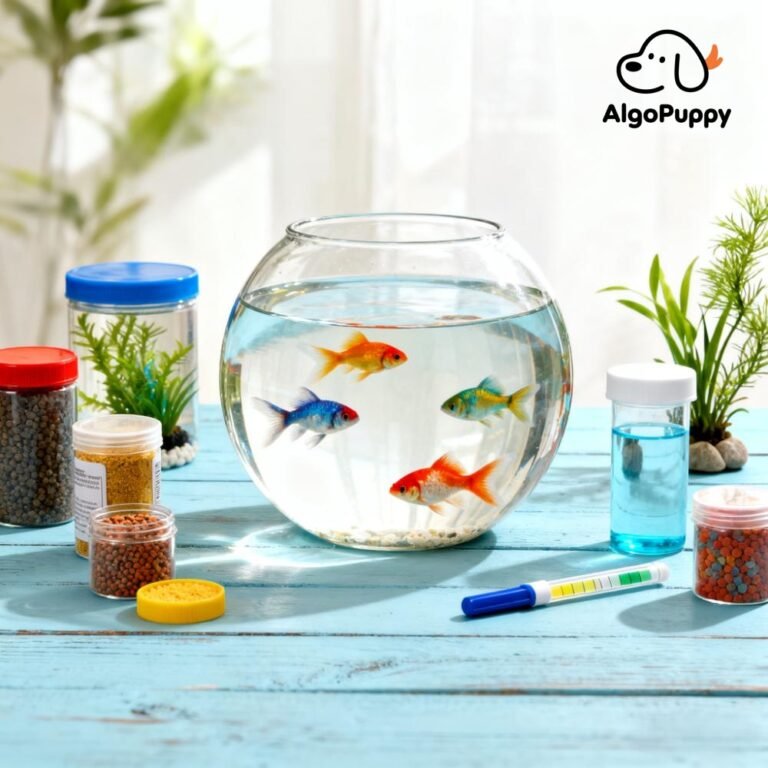
Poor water quality is the most common cause of fish deaths. An affordable fish tank water test kit helps you measure ammonia, nitrite, nitrate, and pH levels.
Problem Solved: Early detection of harmful conditions before they harm your fish.
Tip: Test your water at least once a week, especially in new tanks or after adding new fish.
5. Aquarium Lighting: Healthy Growth and Balance
Lighting makes your aquarium look beautiful and supports live plants. A LED aquarium light for planted tanks provides the perfect balance without encouraging algae overgrowth.
Problem Solved: Prevents green algae blooms and supports plant photosynthesis.
Solution: Use a timer to keep lights on for 8–10 hours a day.
6. Gravel Vacuum and Cleaning Tools
Cleaning tools are crucial for regular maintenance. With easy fish tank cleaning tools, you can quickly remove waste, leftover food, and debris.
Problem Solved: Stops cloudy water and bad odors by keeping the substrate clean.
Tip: Vacuum the gravel during partial water changes every one to two weeks.
7. High-Quality Fish Food
Using the best fish food for healthy growth ensures your fish get the right nutrients without polluting the tank.
Problem Solved: Prevents overfeeding issues that cause dirty water and health problems.
Tip: Feed only what your fish can eat in two to three minutes, once or twice per day.
How to Choose the Right Fish Supplies
When buying supplies, consider these factors to ensure they fit your needs:
Tank Size: Larger tanks need stronger filters and heaters.
Type of Fish: Tropical species need heaters, while goldfish prefer cooler water.
Ease of Use: If you’re new, start with beginner-friendly equipment.
Budget: Begin with essential items and upgrade later.
Beginner-Friendly Shopping List
Here’s a simple checklist for new aquarium owners:
Aquarium tank with a secure lid
Filter matched to your tank size
Water conditioner
Heater (for tropical fish)
Test kit for ammonia, nitrite, nitrate, and pH
Gravel vacuum and cleaning supplies
High-quality fish food
Net for safe fish handling
Decorations and hiding spots for fish comfort
Tips to Prevent Problems Before They Start
Cycle Your Tank First
Run the filter for several weeks before adding fish to build beneficial bacteria.Perform Regular Water Changes
Replace 20–30% of the water weekly to keep it clean.Avoid Overcrowding
Stick to one inch of fish per gallon of water as a general rule.Quarantine New Fish
Keep new arrivals in a separate tank for two weeks to prevent disease spread.
Final Thoughts
With the right fish supplies, you can avoid most common problems like cloudy water, algae growth, and unhealthy fish. Start with essentials like a quality filter, water conditioner, and test kit, then expand your collection as you gain experience.
A well-prepared aquarium not only keeps your fish healthy but also gives you a beautiful, stress-free environment to enjoy. With a little planning and the right tools, your fish tank will thrive for years to come.