Best Diet for Dogs with Allergies: A Complete Guide for Pet Parents
If your dog constantly scratches, has frequent ear infections, or suffers from digestive problems, allergies might be the culprit. Food allergies are one of the most common causes of these issues in dogs. Finding the best diet for dogs with allergies can dramatically improve your pup’s comfort and overall health.
In this guide, we’ll cover how to identify food allergies, what ingredients to avoid, and which diets can help your dog live a happy, itch-free life.

Understanding Food Allergies in Dogs
A dog’s immune system can sometimes mistake certain ingredients in food as harmful invaders, triggering an allergic reaction. This reaction often leads to:
Excessive itching and scratching
Red, inflamed skin or hot spots
Chronic ear infections
Digestive issues like vomiting or diarrhea
Chewing on paws or tail
If you notice these signs, it’s important to consult your veterinarian to confirm whether the cause is a food allergy.
Common Ingredients That Trigger Allergies
Some ingredients are more likely to cause allergic reactions than others. The most common allergens for dogs include:
Beef
Chicken
Dairy products
Wheat and other grains
Soy
Eggs
Once you know what ingredient your dog is reacting to, you can choose a diet that eliminates these triggers.
Best Diet Options for Dogs with Allergies
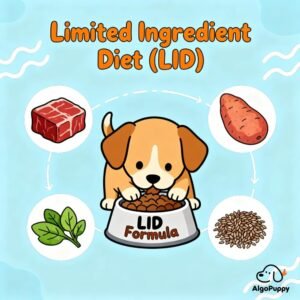
1. Limited Ingredient Diet (LID)
A Limited Ingredient Diet uses fewer components, making it easier to identify and avoid allergens. These diets usually contain:
A single source of protein (e.g., salmon, duck, or lamb)
Limited carbohydrates like sweet potatoes or peas
No artificial additives or fillers
Why it works:
By simplifying the ingredient list, you reduce the chances of triggering an allergic reaction.
2. Grain-Free Diet
Grains such as wheat, corn, and soy are common allergy triggers. Switching to a grain-free diet can help dogs with grain sensitivities.
Look for dog foods that use alternatives like:
Sweet potatoes
Lentils
Chickpeas
Important: Not all dogs need a grain-free diet. Talk to your vet before making the switch to ensure it’s the right choice for your pet.
3. Hydrolyzed Protein Diet
Hydrolyzed protein diets use proteins that have been broken down into tiny molecules, making it nearly impossible for your dog’s immune system to recognize them as allergens.
These diets are often prescription-based and recommended for dogs with severe or persistent allergies.
4. Homemade Diet
Some pet parents prefer to prepare homemade meals so they can control every ingredient.
If you go this route, make sure to:
Work with a veterinarian or canine nutritionist
Include all essential nutrients
Avoid harmful foods like onions, garlic, and grapes
Tips for Choosing the Right Allergy-Friendly Dog Food
Read the Label Carefully
Look for named protein sources (like “salmon” instead of “fish meal”) and avoid artificial additives or preservatives.Introduce New Foods Slowly
Transition over 7–10 days to prevent digestive upset.Avoid Frequent Switching
Stick to one formula for several weeks to monitor its effect on your dog.Track Symptoms
Keep a journal of your dog’s symptoms to help identify patterns and improvements.
Sample Transition Schedule
When introducing a new diet, follow this gradual plan:
Days 1-3: 25% new food, 75% old food
Days 4-6: 50% new food, 50% old food
Days 7-9: 75% new food, 25% old food
Day 10: 100% new food
This approach minimizes stomach upset and helps your dog adjust comfortably.
When to See a Vet
If your dog’s symptoms don’t improve after a few weeks on an allergy-friendly diet, consult your veterinarian. They may recommend:
Allergy testing
Prescription diets
Medications to relieve severe itching or inflammation
Conclusion
Finding the best diet for dogs with allergies takes time and patience, but the results are worth it. By identifying triggers and selecting high-quality, allergy-friendly food, you can help your dog feel more comfortable, reduce symptoms, and improve their overall well-being.
A healthy diet is one of the most powerful ways to keep your furry friend happy and thriving for years to come.