
Understanding Your Cat’s Nutritional Needs
Cats have specific dietary requirements that differ significantly from dogs or humans. To keep your cat healthy, it’s essential to understand these four pillars of feline nutrition:
1. High Animal Protein
Cats need diets packed with quality animal protein to provide essential amino acids like taurine, which supports heart and eye health. A deficiency can cause serious conditions, so always ensure real meat is the first ingredient.
2. Moderate Fat
Healthy fats supply concentrated energy, improve taste, and help absorb vitamins. Look for named animal fats or fish oils instead of generic “animal fat.”
3. Minimal Carbohydrates
Unlike humans, cats don’t require carbohydrates. High-carb diets can lead to weight gain and diabetes, especially in indoor cats.
4. Hydration
Cats naturally have a low thirst drive — they’re designed to get moisture from their food. That’s why incorporating wet food or raw diets can help prevent urinary issues.
Key Factors to Consider When Choosing Cat Food
Every cat is unique. Keep these factors in mind before selecting a brand:
Life Stage:
Kittens need calorie-dense, high-protein food. Adults benefit from balanced maintenance formulas, and seniors often need diets that support joints and kidneys.Health Conditions:
For sensitive stomachs, urinary tract issues, or allergies, specialized formulas can make a big difference.Indoor vs. Outdoor Cats:
Indoor cats burn fewer calories, so choose lower-calorie formulas to maintain a healthy weight.
Decoding Cat Food Labels Like a Pro
Marketing terms like “premium,” “natural,” or “gourmet” can be misleading. Here’s what really matters:
Named Protein First:
Look for specific meats like chicken, salmon, or beef as the first ingredient. Avoid vague terms like “meat meal” or “by-product.”AAFCO Statement:
Check the label for the phrase “complete and balanced” — this means it meets the nutritional standards set by the Association of American Feed Control Officials (AAFCO).Moisture Content:
Wet food contains about 75% water, helping with hydration, while dry food averages 10%.
Types of Cat Food: Pros and Cons
🥫 Wet Food (Canned or Pouched)
Pros:
High moisture content
Great taste and palatability
Excellent for urinary health
Cons:
More expensive per serving
Spoils faster when left out
Top Pick:
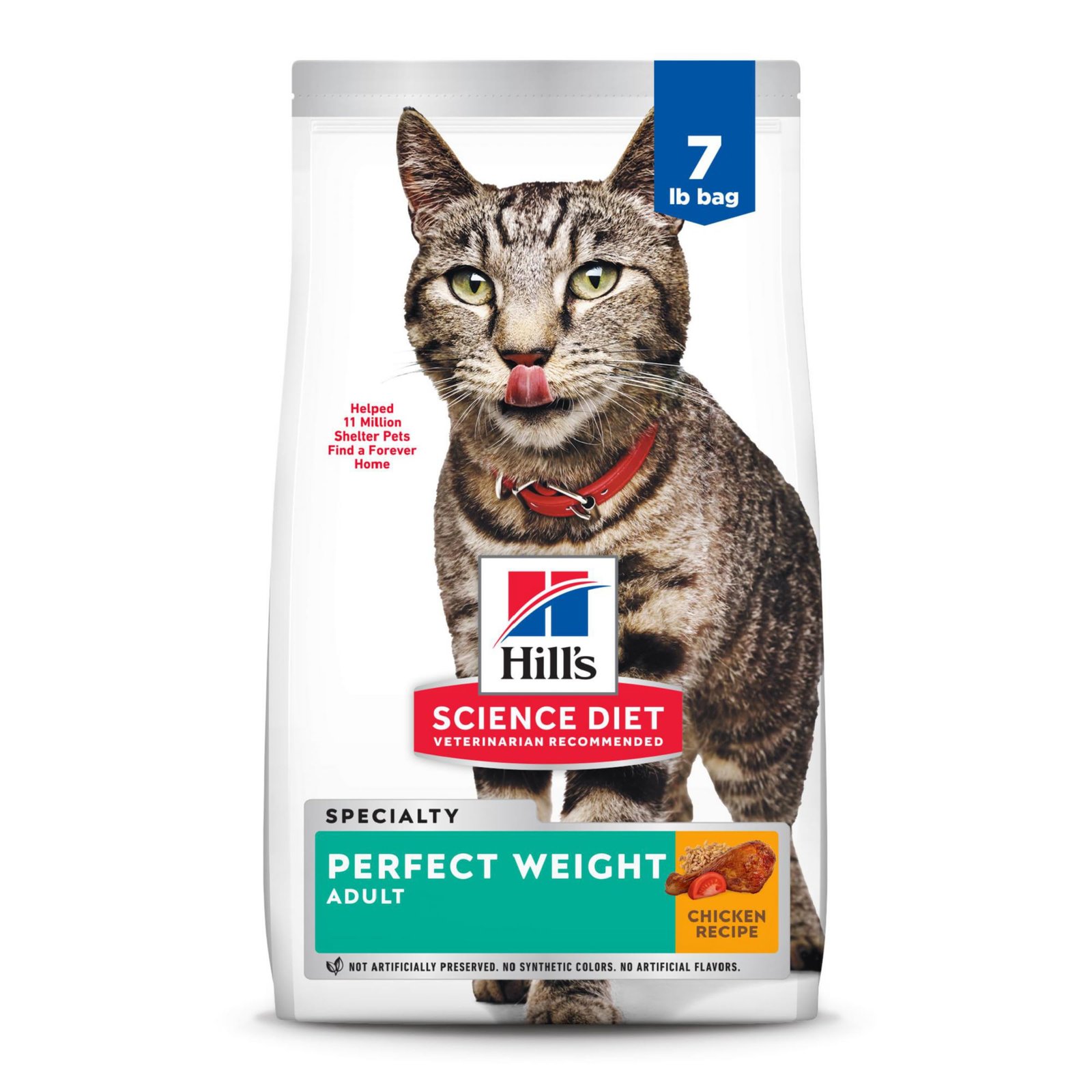
Hill’s Science Diet Adult Perfect Weight — supports healthy weight management with balanced nutrition.
🍖 Dry Food (Kibble)
Pros:
Convenient and affordable
Can be left out for free-feeding
Helps reduce tartar buildup
Cons:
Low moisture content
Often higher in carbs
Recommended Option:
Purina Pro Plan LiveClear — helps reduce allergens in cat hair and dander while providing high-quality nutrition.

🐾 Raw & Freeze-Dried Food
Pros:
Mimics a natural feline diet
High in protein, low in carbs
Minimal processing
Cons:
Can be costly
Requires careful storage and handling
Editor’s Choice:
Stella & Chewy’s Freeze-Dried Raw Morsels — offers the benefits of raw feeding without the mess.

Top-Rated Cat Food Brands for 2025
Veterinarians and feline nutritionists frequently recommend these trusted brands:
Hill’s Science Diet: Backed by decades of research and vet-approved formulas.
Royal Canin: Specializes in breed-specific and medical diets.
Purina Pro Plan: Offers formulas for every need, from sensitive skin to urinary care.
Wellness Pet Food: Focuses on natural, high-quality ingredients with no artificial preservatives.
👉 You can find these premium options easily on Amazon, often with auto-delivery options so you never run out.
How to Transition to a New Cat Food Safely
Changing cat food too quickly can cause digestive upset. Transition gradually over 7–10 days, mixing increasing amounts of the new food with the old.
Watch for: vomiting, diarrhea, or reduced appetite. If these persist, consult your veterinarian.
Final Thoughts
Choosing the best cat food is about understanding your cat’s biology — not the buzzwords on packaging. Prioritize high-quality animal protein, hydration, and nutritional balance.
By doing so, you’re not just feeding your cat — you’re investing in their long-term energy, vitality, and happiness.
This article contains affiliate links. Purchases made through these links may earn us a small commission, at no extra cost to you. We only recommend products we trust and use ourselves.