Understanding Dental Chew Toys: Benefits, Safety, and Selection
Dental chew toys have become a staple in dog care routines, helping pets maintain oral health while satisfying their natural chewing instincts. Unlike regular toys, dental chews are specifically designed to reduce plaque, prevent tartar buildup, and promote healthier gums. This article provides an in-depth, science-backed overview of dental chew toys, their benefits, and considerations for safe use.
What Are Dental Chew Toys?
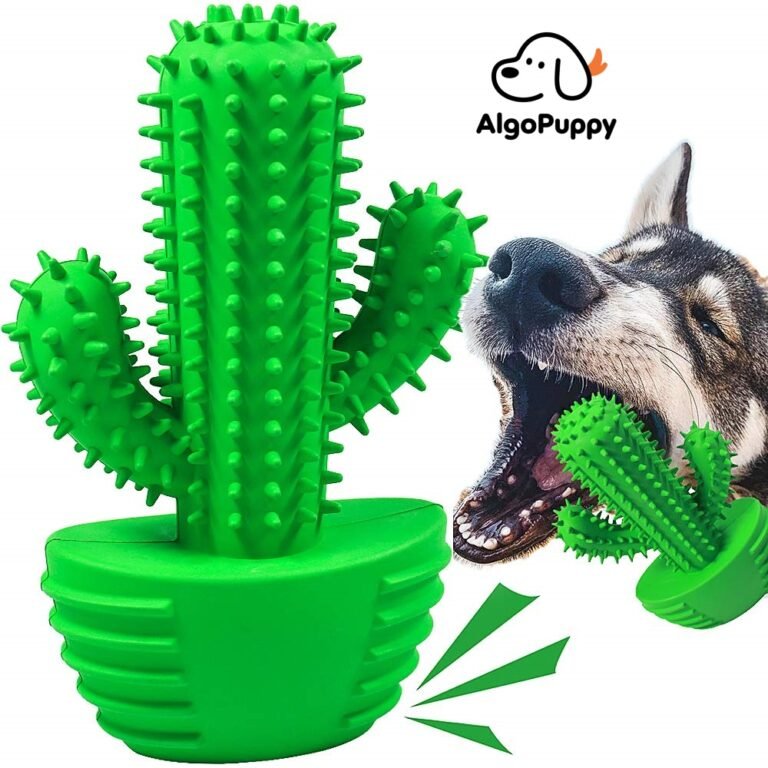
Dental chew toys are items designed for dogs to chew on that help clean teeth and massage gums. They can be made of rubber, nylon, or edible materials fortified with ingredients like enzymes or vitamins that support oral hygiene.
Key characteristics include:
Textured surfaces to scrape plaque off teeth
Durable materials that withstand chewing
Sizes appropriate for different breeds and ages
How Dental Chew Toys Promote Oral Health
Chewing is a natural behavior for dogs, and dental chew toys harness this behavior to improve oral hygiene. The benefits include:
Plaque and Tartar Reduction – The textured surfaces help mechanically remove plaque before it hardens into tartar.
Gum Stimulation – Chewing massages gums, improving circulation and reducing inflammation.
Breath Improvement – By reducing plaque and food debris, dental chews can help decrease bad breath.
Behavioral Benefits – Chewing satisfies natural instincts, reducing destructive behavior caused by boredom.
Scientific studies suggest that regular chewing on appropriate dental toys can complement tooth brushing and professional dental cleanings, helping maintain long-term oral health.
Choosing the Right Dental Chew Toy
Selecting the proper dental chew toy requires careful consideration to ensure both safety and effectiveness:
Material: Avoid toys that splinter or break easily. Rubber, nylon, and tough edible chews are commonly recommended.
Size: Choose toys appropriate for your dog’s size to prevent choking hazards.
Durability: Aggressive chewers need more robust toys; softer toys are suitable for puppies or small breeds.
Non-Toxic Materials: Ensure the toy is free of harmful chemicals like BPA or phthalates.
Safety Considerations
While dental chew toys offer significant benefits, safety must be a priority:
Supervised Chewing: Always monitor your pet when introducing a new chew toy.
Inspect Regularly: Remove toys that show signs of wear, cracks, or broken pieces.
Avoid Overfeeding Edible Chews: Even healthy chews can contribute to excessive calorie intake if given too frequently.
Consult Your Veterinarian: Dogs with dental disease, sensitive teeth, or other health conditions may need specialized products.
Integrating Dental Chew Toys Into Your Dog’s Routine
Dental chew toys are most effective when part of a comprehensive oral care plan:
Regular Brushing: Daily tooth brushing remains the gold standard for oral hygiene.
Professional Dental Cleanings: Annual or semi-annual veterinary cleanings help prevent serious oral disease.
Balanced Diet: Proper nutrition supports healthy teeth and gums.
Dental Toys Rotation: Rotate different textures and types of dental chew toys to maintain interest and maximize cleaning benefits.
Common Misconceptions
Chew Toys Replace Brushing: While beneficial, chew toys cannot fully replace regular brushing.
All Chew Toys Are Safe: Not all toys are suitable for all dogs; always consider size, material, and chewing strength.
Dental Chews Are Only for Puppies: Dogs of all ages benefit from chew toys designed to maintain oral health.
Conclusion
Dental chew toys are an essential tool in promoting canine oral health, supporting plaque removal, gum stimulation, and behavioral enrichment. When chosen thoughtfully and used safely, they complement regular dental care, contributing to healthier teeth, fresher breath, and overall well-being. By understanding their function, materials, and proper usage, pet owners can make informed decisions that benefit their pets for years to come.