
The Ultimate Guide to Choosing the Best Pet Carrier: Solve Common Travel Problems
Traveling with pets can be stressful if you don’t have the right carrier. From cramped spaces to safety concerns, a poorly chosen pet carrier can make trips uncomfortable for both you and your furry friend. This guide helps you solve common problems and pick the best carrier for your pet, whether for car rides, airline travel, or outdoor adventures.
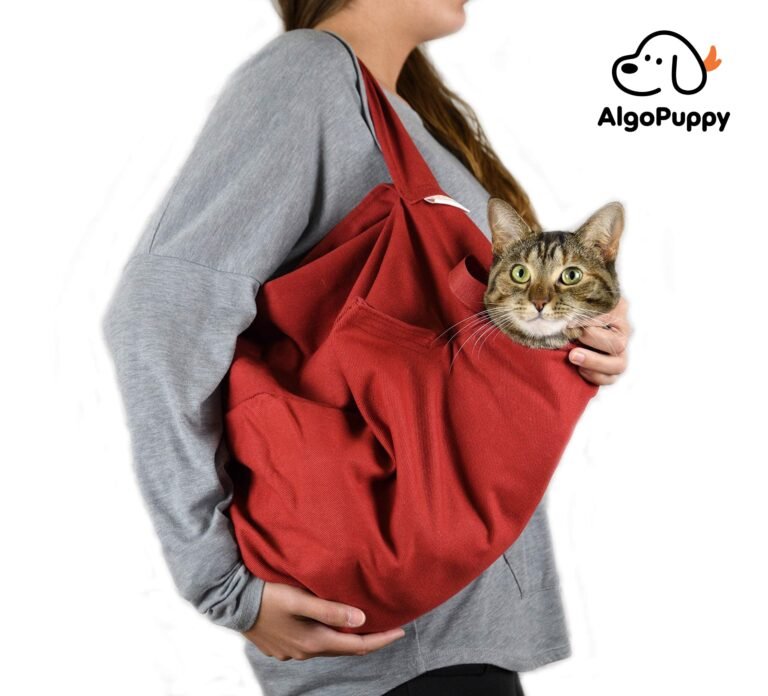
Why a Good Pet Carrier Matters
A proper pet carrier ensures:
Safety: Protects your pet during travel and prevents accidents.
Comfort: Allows your pet to stand, turn, and rest comfortably.
Convenience: Makes carrying your pet easier, whether on foot, in a car, or on a plane.
Hygiene: Easy to clean and maintain for long-term use.
Problem 1: Your Pet Feels Cramped
Many pet owners choose carriers that are too small, which can make pets anxious and uncomfortable.
Solution: Measure your pet’s height and length before purchasing. Ensure the carrier allows your pet to stand, turn, and lie down comfortably.
Recommended Option: Petsfit Soft-Sided Pet Carrier – Lightweight and spacious, perfect for small dogs or cats.
Tip: For long trips, adding a soft blanket or cushion helps your pet feel secure.
Problem 2: Safety Concerns During Travel
Safety is paramount when traveling. Some carriers lack secure closures or proper reinforcement, which can be dangerous during car trips or flights.
Solution: Look for carriers with reinforced frames, safety locks, and seatbelt attachments. Airline-approved carriers must meet FAA dimensions and allow pets to breathe comfortably.
Recommended Option: PetAmi Airline Pet Carrier – FAA-approved with secure latches and breathable mesh panels.
Pro Tip: Always double-check your airline’s pet policy before flying to avoid last-minute issues.
Problem 3: Hard to Carry or Transport
Heavy or bulky carriers can make travel exhausting. Long trips require carriers that are easy to handle and transport.
Solution: Consider lightweight carriers with padded straps or wheels. Soft-sided carriers are easier to carry for small pets, while wheeled carriers are ideal for larger pets.
Recommended Option: Petsfit Pet Carrier – Smooth wheels, telescopic handle, and compact design.
Problem 4: Poor Ventilation and Overheating
Some carriers don’t allow enough airflow, putting pets at risk of overheating, especially on warm days.
Solution: Choose carriers with mesh panels on multiple sides for proper ventilation. Removable panels allow for seasonal adjustments.
Recommended Option: Ventilated Carrier – Excellent airflow with comfortable interior padding.
Problem 5: Difficult to Clean
Traveling pets can make a mess. Carriers that are hard to clean can retain odors and bacteria.
Solution: Select carriers with removable, washable liners or wipeable surfaces.
Recommended Option: Morpilot Easy-Wash Carrier – Detachable liner, water-resistant, and easy to maintain.
Problem 6: Pets Are Anxious or Stressed
Some pets feel nervous or scared when inside a carrier, especially if they associate it with vet visits.
Solution:
Introduce Gradually – Let your pet explore the carrier at home with treats inside.
Positive Reinforcement – Reward calm behavior when your pet enters the carrier.
Familiar Items – Place toys or blankets inside to reduce stress.
Tips for Using Your Pet Carrier Effectively
Practice Short Trips: Begin with brief car rides to build confidence.
Check Airline or Travel Rules: Ensure your carrier complies with airline requirements or train regulations.
Rotate Carriers for Multi-Pet Households: If you have more than one pet, provide individual carriers for comfort.
Hydration and Breaks: For long trips, give your pet water and short breaks outside the carrier if safe.
Storage: Use carriers that fold or collapse when not in use to save space.
Choosing the Right Carrier Based on Pet Size
Small Dogs & Cats: Soft-sided carriers with mesh panels for airflow.
Medium Pets: Padded soft carriers or semi-rigid carriers with reinforced frames.
Large Dogs: Wheeled carriers or hard-shell carriers for durability and safety.
Recommended Options by Size:
Small: Soft-Sided Carrier
Medium: Airline Carrier
Large: Wheeled Carrier
FAQs About Pet Carriers
Q1: Can my pet sleep comfortably in the carrier?
Yes, choose a carrier that allows them to stand, turn, and lie down, and add a soft blanket or cushion.
Q2: Are soft-sided carriers safe for car travel?
Yes, if they have reinforced frames and seatbelt attachments. For longer trips, a rigid carrier may be safer.
Q3: Can I take my carrier on a plane?
Always verify FAA-approved dimensions and airline-specific rules. Soft-sided carriers are often preferred for cabin travel.
Q4: How often should I clean the carrier?
After every trip or as needed. Removable liners make cleaning much easier.
Q5: How can I reduce my pet’s anxiety during travel?
Introduce the carrier gradually, use familiar items, and provide positive reinforcement.
Conclusion
A good pet carrier ensures your furry friend travels safely, comfortably, and happily. Addressing common problems like cramped space, safety concerns, ventilation, and cleaning helps make trips stress-free for both pets and owners.