
High Protein Wet Food for Senior Cats: Why It Matters & Top Picks
Introduction
As cats age, maintaining muscle mass, hydration, and kidney health becomes more challenging. A smart way to support their changing needs is by feeding high protein wet food for senior cats. Wet (canned) food delivers moisture, palatability, and nutrient density — especially helpful for older cats who may eat less or drink less water.
In this guide, we’ll cover:
The benefits & scientific rationale behind wet food for senior cats
What to look for in a high protein canned food
Top product recommendations
Tips for transitioning and feeding
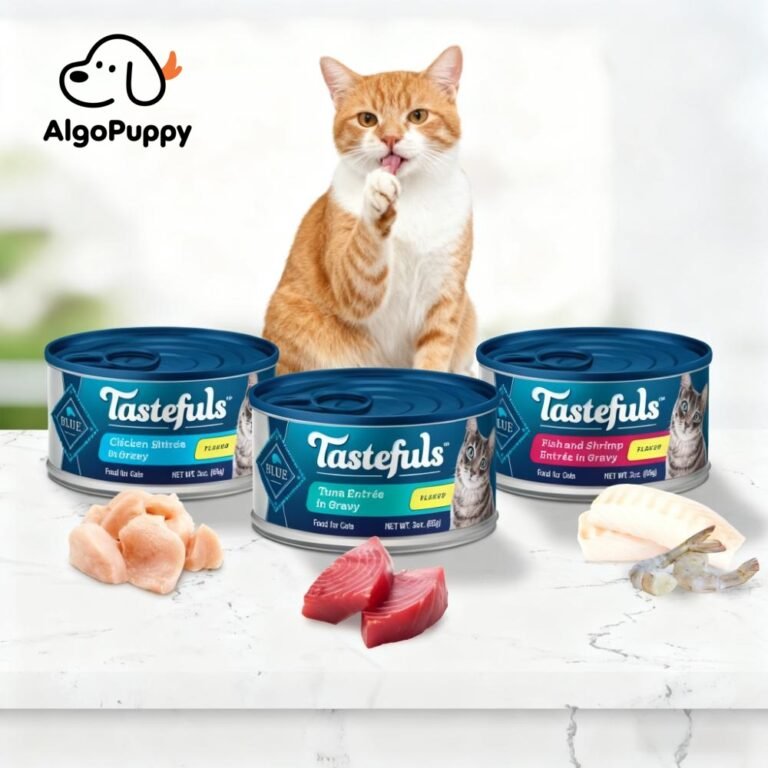
Why Wet Food is Particularly Helpful for Senior Cats
1. Better Hydration & Urinary Health
Canned food often contains ~70–75% moisture, helping supplement water intake in cats that don’t drink enough. This added moisture helps dilute urine, reduce the risk of urinary crystals or stones, and support kidney function.
2. Supports Lean Body Mass & Muscle Retention
Older cats tend to lose muscle mass (sarcopenia). Feeding a high protein wet diet can help preserve lean body tissue.
3. Easier to Chew / More Palatable
Wet food’s soft texture is easier for senior cats with dental issues, missing teeth, or oral discomfort.
Its stronger aroma also entices cats with reduced sense of smell or appetite.
4. Lower Carbohydrate Content
Many canned foods have lower carbohydrate content compared to kibble, which aligns better with the feline metabolism.
What to Look for: Choosing the Right High Protein Wet Food
When selecting a canned food for senior cats, prioritize:
| Feature | Why It Matters |
|---|---|
| Named animal protein (e.g. “chicken”, “salmon”) as first ingredient | Ensures good quality protein source |
| Guaranteed analysis: high protein, moderate fat, low carbohydrate | Supports muscle retention without overloading with carbs |
| Phosphorus & sodium control | Important for kidney health in older cats |
| Complete & balanced designation (AAFCO or equivalent) | Ensures it meets full nutritional needs |
| Single-source / limited ingredient options | Better for cats with sensitivities |
| Easy open can, palatable texture | Encourages eating, especially for picky seniors |
Top Wet Food Recommendations
Tiki Cat Aloha Friends Chicken in Chicken & Tuna Broth — Great for hydration and picky eaters
→ Buy here: Tiki Cat Aloha Friends Chicken in Chicken & Tuna BrothWellness CORE Grain-Free Classic Tin – Chicken & Turkey — high protein, no fillers
→ Buy here: Wellness CORE Grain-Free Classic Tin – Chicken & TurkeyBlue Buffalo True Solutions Senior Chicken Entrée — formulated for aging cats with balanced nutrients
→ Buy here: Blue Buffalo True Solutions Senior Chicken EntréeInstinct Original Chicken Pâté (High Protein) — minimal ingredients, strong protein ratio
→ Buy here: Instinct Original Chicken Pâté (High Protein)
How to Transition Senior Cats to Wet Food
Do it gradually over 7–10 days: mix increasing ratios of wet to old food.
Warm the food slightly (room temp) to enhance aroma.
Monitor appetite, stool consistency, and any digestive upset.
Always provide fresh water — wet food supplements but doesn’t entirely replace water intake.
Feeding Tips & Frequency
Divide daily portion into 2–3 smaller meals to stimulate appetite and better digestion.
Measure portions by calories, not just volume, to avoid over- or underfeeding.
Monitor body condition regularly — adjust if weight loss or gain is observed.
Use shallow bowls (less whisker stress) or elevated feeders if needed.
Potential Drawbacks & Considerations
Higher cost per calorie — canned food tends to be more expensive.
Spoilage risk — once opened, unused portions must be refrigerated and used within a few days.
Dental health — canned food doesn’t provide abrasive action for teeth; consider dental care.
Underlying health conditions — cats with kidney disease, diabetes, or GI disease may need veterinary formulas.
Conclusion & Call to Action
Feeding high protein wet food for senior cats offers multiple benefits: hydration, muscle preservation, palatability, and nutrient density. By choosing a quality formula and transitioning carefully, you can significantly improve your aging cat’s quality of life.
Ready to try one? Check out the options above:
Always consult your veterinarian before making major diet changes, especially for senior cats with health conditions.