
The Ultimate Guide to Hamster Toys: Keep Your Pet Active, Healthy, and Happy
Introduction
Hamsters are charming, small, and endlessly entertaining pets, but their tiny size can be misleading: these little creatures require a surprisingly rich environment to stay happy and healthy. One of the most important aspects of a hamster’s environment is toys. Toys aren’t just fun; they provide mental stimulation, physical exercise, and essential dental benefits. Without sufficient entertainment, hamsters can become bored, stressed, and even engage in destructive or repetitive behaviors.
Many new hamster owners underestimate the importance of providing a variety of engaging toys. While a wheel and a small chew toy may seem adequate, a diverse selection of items encourages natural behaviors, satisfies curiosity, and ensures your hamster leads a fulfilling life. This guide will walk you through everything you need to know about hamster toys—from understanding why they are essential to choosing the right types for your pet, and even crafting budget-friendly DIY options.
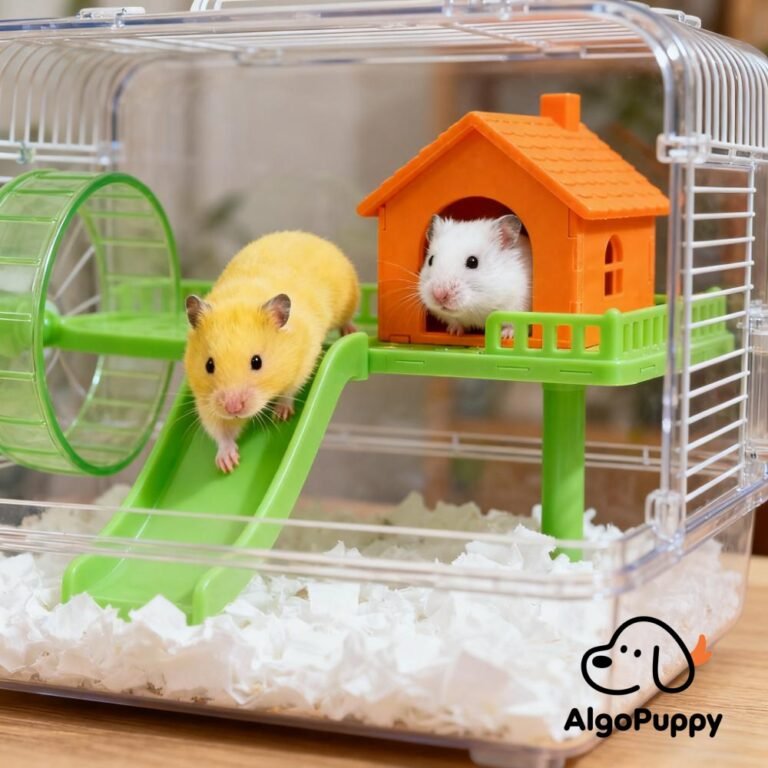
Why Hamster Toys Are Essential
Mental Stimulation
Hamsters are intelligent little animals with active minds. In the wild, they spend hours foraging, climbing, and exploring. In captivity, a lack of stimulation can lead to boredom, stress, and behaviors such as excessive chewing, digging, or pacing. Interactive toys, tunnels, and puzzles mimic natural activities, keeping your hamster engaged and mentally sharp.
Physical Exercise
A sedentary hamster can develop obesity, lethargy, and related health issues. Toys encourage movement, promoting cardiovascular health and overall fitness. Exercise wheels, climbing structures, and maze-like tunnels help hamsters burn off energy safely and effectively.
Dental Health Maintenance
Hamster teeth grow continuously throughout their lives. Chewing is not just a pastime—it is essential for preventing overgrowth and dental issues. Chew toys made from safe materials like untreated wood, cardboard, or natural fibers keep their teeth at a healthy length and support proper jaw development.
Preventing Destructive Behavior
Without proper outlets, hamsters may chew on cage bars, wooden accessories, or even cage furniture. Providing a variety of toys helps redirect this natural behavior toward safe and beneficial options.
Types of Hamster Toys
Exercise Wheels
Exercise wheels are the most common hamster toys, but not all wheels are created equal.
Solid Wheels: These prevent injury by providing a flat, continuous running surface. They are particularly recommended for dwarf hamsters with small feet.
Wire Wheels: These older designs can cause trapped feet or broken toes. If used, ensure proper spacing and size.
Size Considerations: Hamsters need appropriately sized wheels to prevent back arching. Standard Syrian wheels are 8–12 inches in diameter, while dwarf hamsters need 6–8 inches.
Tips for Use:
Place the wheel securely to prevent tipping.
Clean regularly to avoid bacterial buildup.
Popular Brands: Kaytee Silent Spinner, Ware Manufacturing Deluxe Wheel.
Chew Toys
Chewing is crucial for dental health and mental engagement. Safe chew toys provide both.
Materials: Untreated wood, hay, cardboard, natural fibers. Avoid painted or treated wood.
Dental Toys: Chew sticks, logs, or woven chew balls help wear down teeth naturally.
Edible Options: Some chew toys are infused with flavors like apple or carrot to encourage interest.
Tips for Use:
Rotate chew toys weekly to maintain interest.
Supervise initial interactions to ensure safe chewing.
Popular Brands: Niteangel Hamster Chew Sticks, Kaytee Natural Chews.
Tunnels and Tubes
Hamsters love to explore confined spaces, which replicate burrows in the wild.
Plastic Tubes: Durable and easy to clean. Can be connected to cage accessories.
Cardboard Tubes: Lightweight and disposable, perfect for temporary enrichment.
Modular Tunnel Systems: Allow expansion of the habitat, increasing exploration opportunities.
Tips for Use:
Ensure tunnels are wide enough for the hamster to pass through easily.
Avoid overly long or steep tubes to prevent injury.
Popular Brands: Living World Habitrail OVO, Midwest CritterTrail.
Interactive Puzzle Toys
Puzzle toys challenge hamsters mentally and can provide rewards like treats or food.
Food-Dispensing Toys: Hamsters must figure out how to access a treat, mimicking foraging behavior.
Maze Puzzles: Engage problem-solving skills and keep boredom at bay.
Tips for Use:
Introduce gradually to avoid frustration.
Ensure puzzles are escape-proof and safe to chew.
Popular Brands: Trixie Activity Fun Board, Rosewood Hamster Puzzle.
Climbing Structures
Climbing structures replicate natural burrows and branches.
Ladders, Ramps, and Platforms: Encourage physical activity and exploration.
Multi-Level Cages: Allow vertical movement, satisfying natural climbing instincts.
Tips for Use:
Ensure all levels are stable and have soft landing areas.
Avoid sharp edges or small gaps where feet can get caught.
Popular Brands: Kaytee CritterTrail Add-Ons, Savic Hamster Condos.
Balls and Hamster Mazes
Exercise balls and mazes can provide enrichment outside of the cage.
Exercise Balls: Let hamsters safely explore outside the cage.
Maze Kits: Modular mazes promote problem-solving skills and exploration.
Tips for Use:
Always supervise hamster in a ball to prevent overheating or injury.
Use mazes in hamster-proofed areas to avoid accidents.
Popular Brands: Kaytee Run-About Ball, Habitrail OVO Maze.
How to Choose the Right Toys for Your Hamster
Age, Size, and Breed Considerations
Syrian Hamsters: Larger toys, wider tunnels, bigger wheels.
Dwarf Hamsters: Smaller wheels, delicate chew toys, lightweight tunnels.
Young Hamsters: Need more active, engaging toys.
Older Hamsters: Focus on easier-to-navigate toys and chew items for dental care.
Material Safety
Avoid plastic with sharp edges, toxic paints, or small parts that can be swallowed. Safe materials include untreated wood, cardboard, and natural fibers.
Observing Hamster Preferences
Watch your hamster interact with different toys. Some may prefer chewing, others climbing, or solving puzzles. Adjust the selection accordingly.
Budget vs. Quality
Invest in durable, safe toys, even if slightly more expensive. Poor-quality toys can break, causing injury or ingestion hazards.
DIY and Budget-Friendly Hamster Toys
Homemade Tunnels
Use clean cardboard tubes from paper towels or toilet paper. Connect them to create a maze inside or outside the cage.
Cardboard and Paper Tube Activities
Fold, stack, or crumple cardboard to encourage digging and exploration. Hide treats inside to stimulate foraging behavior.
Treat-Dispensing Puzzles
Repurpose small boxes with holes or containers to hide treats. This challenges the hamster’s problem-solving skills and prevents boredom.
Encouraging Proper Toy Use
Rotating Toys for Novelty
Switch toys every few days to maintain interest and encourage exploration.
Positive Reinforcement
Place favorite treats near or inside toys to encourage interaction. Praise (gentle talking or petting) when the hamster uses the toy.
Monitoring Usage and Wear
Regularly inspect toys for damage. Replace worn or broken items to avoid injury.
Avoiding Aggression or Hoarding
Some hamsters may hoard toys or food. Observe interactions and adjust placement to prevent territorial disputes.
Common Problems & How to Solve Them
Chewing Unsafe Items
Solution: Remove hazardous items, provide safe chew toys, rotate frequently.
Not Using Toys
Solution: Introduce toys gradually, use treats to encourage exploration, observe preferences.
Aggression Toward Cage Mates
Solution: Provide separate toys for each hamster, add more space, supervise interaction.
Preventing Injury
Solution: Ensure toys are appropriately sized, stable, and made of safe materials.
Conclusion
Hamster toys are more than just playful distractions—they are essential tools for maintaining mental, physical, and dental health. By carefully selecting and rotating toys, observing preferences, and ensuring safety, you can provide a stimulating environment that promotes happiness and prevents destructive behavior.
Investing time and resources into quality toys not only keeps your hamster active and healthy but strengthens the bond between you and your tiny companion. Remember, variety, safety, and engagement are the keys to a fulfilling hamster life.