
What Is Giardia in Dogs? Causes, Symptoms, and Treatment
Giardia is a common intestinal parasite that affects dogs worldwide. It can cause digestive issues and discomfort, especially in puppies or dogs with weak immune systems. Understanding what Giardia is, how dogs get infected, and how to treat it is crucial for every pet owner.
This guide explains what Giardia in dogs is, its symptoms, treatment options, and how to prevent future infections.
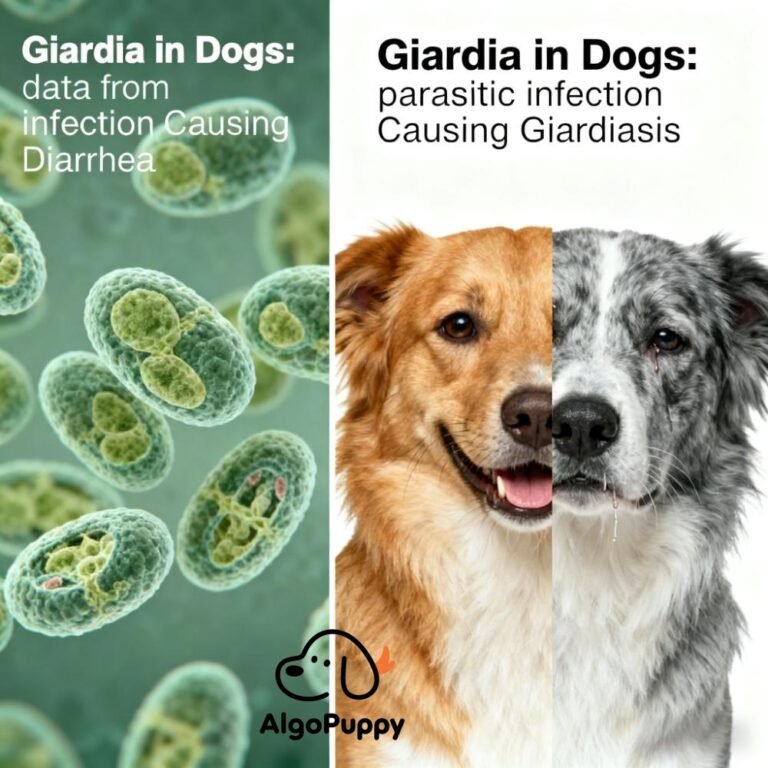
1. What Is Giardia in Dogs?
Giardia is a microscopic parasite that lives in the intestines of dogs and other animals. It spreads through contaminated water, food, or surfaces. Dogs can also get it by licking their fur after stepping in infected feces.
The disease caused by this parasite is known as giardiasis. While some dogs may not show symptoms, they can still spread the parasite to other pets.
Key Facts:
Giardia is not a worm, it’s a protozoan parasite.
It can survive for weeks in damp, cool environments.
Puppies and senior dogs are at higher risk of severe illness.
2. Common Symptoms of Giardia in Dogs
Not all infected dogs show symptoms, but those that do often experience digestive issues.
| Symptom | Description |
|---|---|
| Diarrhea | Often soft, greasy, or foul-smelling stool |
| Weight Loss | Even with normal eating habits |
| Vomiting | Occasional, especially in severe cases |
| Lethargy | Lack of energy and playfulness |
| Dehydration | Caused by frequent diarrhea |
Note: Puppies with Giardia may become dehydrated quickly, which can be life-threatening. Seek veterinary care immediately if diarrhea is persistent.
3. How Dogs Get Giardia
Understanding how Giardia spreads is key to preventing it.
Drinking contaminated water from puddles, lakes, or streams
Sniffing or licking infected feces
Playing in areas with poor sanitation, such as dog parks or kennels
Grooming themselves after contact with contaminated surfaces
Tip: Always bring clean water for your dog when hiking or traveling to avoid accidental ingestion of unsafe water.
4. How Giardia Is Diagnosed
If you suspect your dog has Giardia, visit a veterinarian.
Vets usually:
Examine a stool sample under a microscope
Perform a Giardia antigen test for accurate results
Since Giardia symptoms can look similar to other intestinal problems, testing is essential for proper treatment.
5. Treatment for Giardia in Dogs
The good news is Giardia is treatable with proper care.
Common Treatments:
Prescription Medication
Metronidazole or fenbendazole are commonly used to kill Giardia parasites.
The vet may prescribe one or both drugs, depending on severity.
Hydration Support
Ensure your dog drinks plenty of water to prevent dehydration.
In severe cases, IV fluids may be required.
Bathing and Cleaning
Bath your dog to remove any parasites on their fur.
Wash bedding, toys, and food bowls with hot, soapy water.
Important: Always follow the vet’s instructions and complete the full course of medication, even if symptoms improve.
6. Preventing Giardia in Dogs
Preventing Giardia is easier than dealing with recurring infections.
Provide clean drinking water at all times.
Avoid letting your dog drink from puddles or streams.
Clean up poop immediately to prevent spreading parasites.
Disinfect your yard and home surfaces with a pet-safe cleaner.
Bathe your dog regularly, especially after playing in muddy areas.
7. When to See a Veterinarian
Seek professional help if your dog:
Has diarrhea lasting more than 48 hours
Shows signs of dehydration (dry gums, sunken eyes, lethargy)
Loses weight rapidly
Vomits frequently or refuses food
Early treatment is essential to prevent complications and protect other pets in the household.
Conclusion
Giardia is a common but manageable condition in dogs. With prompt treatment and good hygiene practices, most dogs recover quickly.
By understanding what Giardia in dogs is and taking preventative steps, you can keep your furry friend healthy and reduce the risk of future infections.
A clean environment, regular vet check-ups, and safe drinking water are the best defenses against Giardia.