
The Ultimate Guide to Fish Tanks: Care, Setup, and Maintenance
Keeping a fish tank at home can be both relaxing and rewarding. Fish tanks are not only beautiful to look at but also create a calming environment that brings nature indoors. Whether you are a beginner or an experienced aquarist, understanding the basics of fish tanks is essential to keep your fish healthy and happy.
This guide covers everything you need to know about fish tanks, including different types, how to set them up, and tips for long-term maintenance.
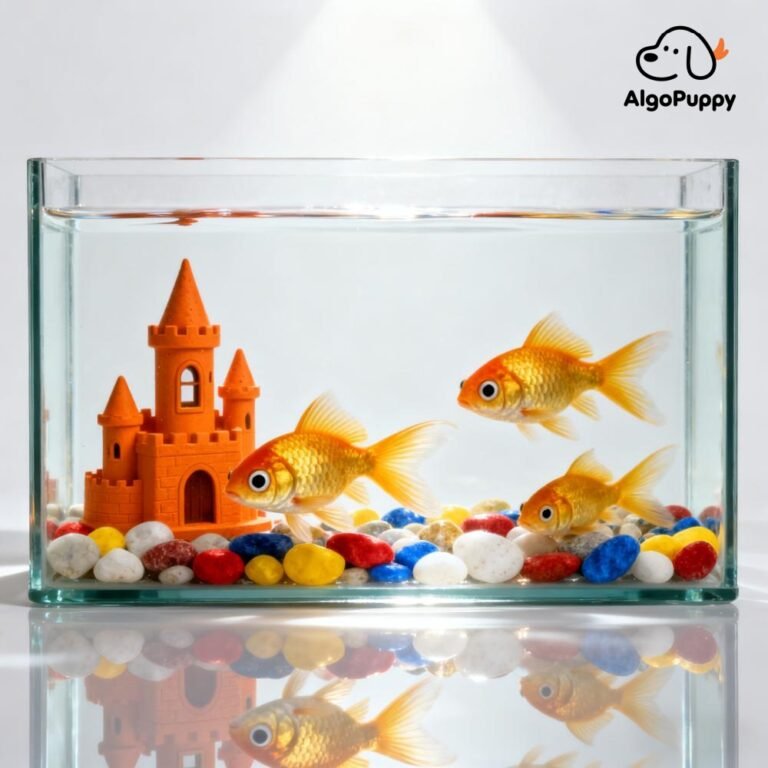
1. What Is a Fish Tank?
A fish tank (or aquarium) is a transparent container designed to house aquatic animals and plants. It mimics the natural environment of fish, providing them with clean water, proper filtration, and a stable temperature.
Fish tanks vary in size and design — from small desktop aquariums for a single betta fish to large tanks for a variety of freshwater or saltwater species.
2. Types of Fish Tanks
Different fish require different living conditions. Choosing the right type of fish tank is the first step toward a successful aquatic environment.
| Type of Fish Tank | Description | Best For |
|---|---|---|
| Freshwater Fish Tank | Uses untreated freshwater. Easier to maintain and ideal for beginners. | Goldfish, guppies, tetras |
| Saltwater (Marine) Tank | Contains saltwater to replicate the ocean. More challenging to set up and maintain. | Clownfish, tangs, corals |
| Brackish Tank | A mix of freshwater and saltwater. | Certain gobies or puffers |
| Planted Tank | Focuses on growing aquatic plants with fish. | Guppies, shrimp, peaceful fish |
| Nano Tank | Small aquariums, usually under 10 gallons. | Betta fish, snails, shrimp |
Tip: Beginners should start with a freshwater tank because it requires less maintenance and equipment than a saltwater setup.
3. Choosing the Right Fish Tank Size
The size of the tank plays a crucial role in the health of your fish. Larger tanks are generally more stable because they provide more water volume, which helps dilute waste and toxins.
Small Tanks (1-10 gallons): Ideal for a single fish like a betta or a small school of tetras.
Medium Tanks (10-30 gallons): Suitable for beginners with several fish species.
Large Tanks (30+ gallons): Best for experienced aquarists or larger fish like cichlids.
General rule: Provide 1 gallon of water per inch of adult fish, but always research specific fish species before stocking your tank.
4. Essential Equipment for a Fish Tank
To create a stable and healthy aquatic environment, you’ll need the following equipment:
Filter – Removes waste and keeps water clean.
Heater – Maintains the correct temperature for tropical fish.
Lighting – Supports plant growth and enhances the appearance of the tank.
Air Pump – Provides oxygen to the water.
Water Test Kit – Monitors pH, ammonia, nitrite, and nitrate levels.
Substrate – Gravel, sand, or specialized plant soil for the tank bottom.
Fish Net – Helps transfer fish safely during cleaning or relocation.
Aquarium Lid – Prevents fish from jumping out and reduces water evaporation.
5. How to Set Up a Fish Tank Step-by-Step
Setting up your fish tank properly is vital for your fish’s health and well-being.
Step 1: Clean the Tank and Equipment
Rinse the tank and all accessories with warm water only. Avoid using soap or chemicals, as they are toxic to fish.
Step 2: Add Substrate and Decorations
Place a 1-2 inch layer of gravel or sand at the bottom. Add rocks, driftwood, and decorations to create hiding spots for fish.
Step 3: Install Equipment
Attach the filter, heater, and air pump according to the manufacturer’s instructions.
Step 4: Add Water and Dechlorinate
Fill the tank with room-temperature water. Use a water conditioner to remove chlorine and chloramines.
Step 5: Cycle the Tank
Before adding fish, cycle your aquarium to build beneficial bacteria that break down waste. This process takes 2-6 weeks.
Step 6: Add Fish Slowly
Introduce fish gradually to avoid overwhelming the tank’s ecosystem. Acclimate fish to the water temperature before release.
6. Regular Fish Tank Maintenance
Proper maintenance keeps the tank clean and ensures your fish stay healthy.
| Task | Frequency |
|---|---|
| Check water temperature | Daily |
| Test water quality | Weekly |
| Partial water change (20-30%) | Every 1-2 weeks |
| Clean filter | Monthly |
| Wipe glass and decorations | As needed |
Tip: Always use water conditioners when adding new water to remove harmful chemicals.
7. Common Fish Tank Problems and Solutions
Even with proper care, problems can occur. Here are some common issues and how to fix them:
Cloudy Water: Usually caused by overfeeding or a new tank cycling. Reduce food and wait for bacteria to balance.
Algae Growth: Limit light exposure and clean regularly. Consider adding algae-eating fish like plecos or snails.
Fish Illnesses: Quarantine new fish before adding them to the main tank to prevent spreading diseases.
Ammonia Spikes: Overcrowding or overfeeding can cause toxic ammonia levels. Perform water changes and test water frequently.
8. Benefits of Keeping a Fish Tank
Stress Relief: Watching fish swim can reduce stress and promote relaxation.
Educational Value: Great for teaching children about ecosystems and responsibility.
Home Décor: A beautifully maintained fish tank adds elegance to any space.
Natural Habitat for Aquatic Life: Provides a safe and stable environment for fish and plants.
9. Safety Tips for Fish Tanks
Always unplug equipment before cleaning.
Keep tanks away from direct sunlight to prevent overheating and algae blooms.
Use a secure stand to support the weight of the tank.
Supervise young children around the aquarium.
Conclusion
A well-maintained fish tank is more than just a decoration — it’s a thriving ecosystem that brings joy, relaxation, and a sense of accomplishment. By choosing the right tank, understanding the needs of your fish, and performing regular maintenance, you can create a safe and healthy environment for your aquatic pets.
Whether you’re a beginner or an experienced aquarist, taking the time to learn about fish tank care will ensure your fish live long, happy lives while making your aquarium a beautiful centerpiece in your home.