Limited Ingredient Diet for Dogs and Cats: The Solution for Food Allergies and Sensitivities
Many pets suffer from food allergies, digestive issues, or itchy skin, which can be frustrating for pet owners to manage. If your dog or cat continues to show symptoms despite trying different foods, switching to a Limited Ingredient Diet (LID) may be the key to solving the problem.
This guide explains what a Limited Ingredient Diet is, the issues it can address, and how to transition your pet safely.
What is a Limited Ingredient Diet?
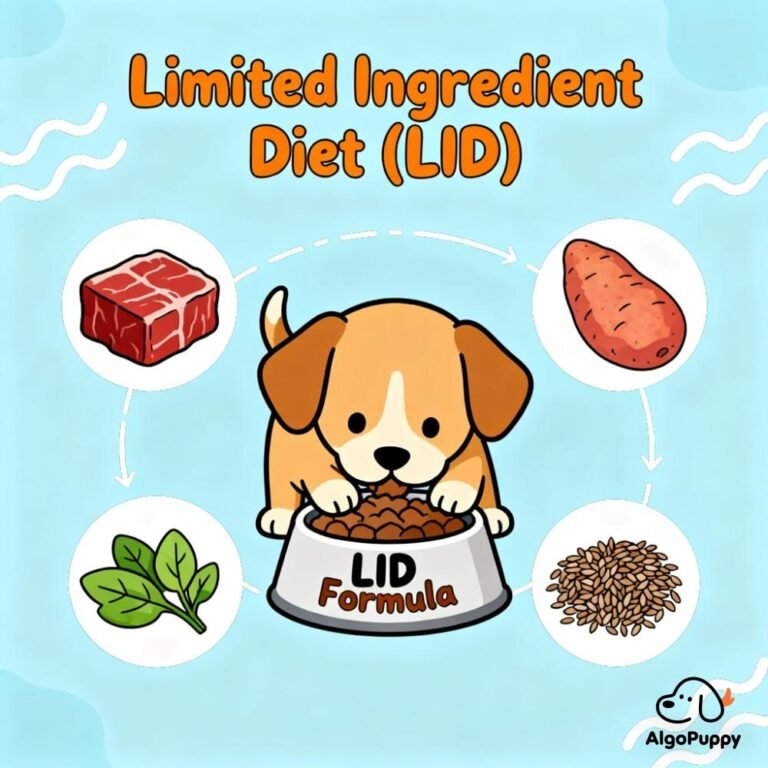
A Limited Ingredient Diet is a type of pet food made with fewer ingredients to minimize the risk of triggering food allergies or sensitivities.
Most LID foods include:
One single protein source such as turkey, lamb, or salmon
Limited carbohydrates like sweet potato or peas
No artificial colors, fillers, or preservatives
Simplifying your pet’s diet makes it easier to identify and eliminate potential allergens.
Common Problems an LID Diet Can Solve
1. Food Allergies
Signs of food allergies in pets include:
Constant itching or scratching
Red, inflamed skin or hot spots
Frequent ear infections
Vomiting or diarrhea after meals
How LID helps:
Switching to food with a novel protein that your pet hasn’t eaten before, such as duck or venison, can reduce allergic reactions caused by common ingredients like chicken or beef.
2. Sensitive Stomach and Digestive Issues
If your pet experiences gas, bloating, or frequent loose stools, their current food might be too complex or difficult to digest.
Why LID works:
Fewer ingredients mean easier digestion
Gentle, high-quality proteins reduce gut inflammation
Grain-free options help pets sensitive to wheat or corn
3. Skin and Coat Problems
Some pets develop dry, flaky skin or excessive shedding due to food sensitivities.
LID benefit:
These diets often contain omega fatty acids to support skin health while removing the allergens causing irritation.
How to Choose the Right LID Pet Food
| Factor | Recommendation |
|---|---|
| Protein Source | Select a protein your pet has never eaten before, such as rabbit or duck |
| Grain vs. Grain-Free | Grain-free is ideal for pets with wheat allergies, while some pets may benefit from whole grains |
| Life Stage | Ensure the food matches your pet’s life stage — puppy, adult, or senior |
| Certification | Look for foods that meet AAFCO nutritional standards |
Transitioning Your Pet to an LID Diet
Switching to new food too quickly can cause stomach upset. Follow this 7-day transition plan:
Days 1-2: 75% old food, 25% new food
Days 3-4: 50% old food, 50% new food
Days 5-6: 25% old food, 75% new food
Day 7: 100% new food
Tip: Keep an eye on your pet’s behavior and digestion. If symptoms worsen, consult your veterinarian.
Tips for Success
Introduce only one new food at a time to clearly identify triggers.
Keep a journal to track symptoms like itching, stool quality, and energy levels.
Avoid giving treats or table scraps during the trial period to prevent contamination.
Schedule regular vet visits to monitor your pet’s progress.
When to Consult a Veterinarian
Contact your vet immediately if your pet shows any of the following:
Persistent vomiting or diarrhea
Sudden weight loss or gain
Severe itching or open sores
Lethargy or refusal to eat
Conclusion
A Limited Ingredient Diet can be life-changing for pets with allergies, sensitive stomachs, or chronic skin issues. By simplifying your pet’s meals and carefully introducing new foods, you can reduce discomfort, improve their health, and give them a better quality of life.
With patience, observation, and guidance from your veterinarian, you’ll be able to identify the best diet to keep your furry companion happy and thriving.