
Best Kitten Toys: Solve Common Playtime Challenges for Your Furry Friend
Bringing a new kitten home is exciting—but it comes with its own challenges. Kittens are energetic, curious, and prone to getting into mischief if they don’t have proper toys. Choosing the right kitten toys for indoor kittens isn’t just about fun—it’s about preventing destructive behavior, promoting healthy development, and keeping your little feline happy and safe.
This guide will help you solve common playtime problems by highlighting the best types of toys for kittens and practical tips to make playtime effective.
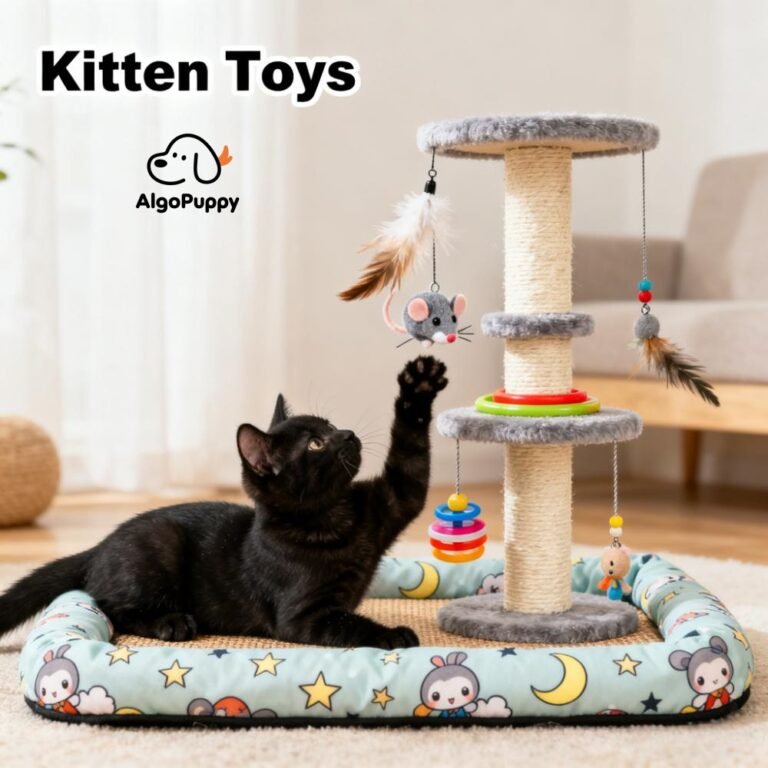
Why Kitten Toys Are Important
Kittens explore the world with their paws and mouths. Without proper outlets for play, they may:
Scratch furniture or carpets
Bite hands or toes during play
Become bored or anxious
Miss out on crucial physical and mental development
The right toys help prevent these issues and promote healthy growth.
Common Problems and How to Solve Them with Kitten Toys
Problem 1: Kittens Bite and Scratch Everything
Kittens naturally use their teeth and claws. Biting or scratching furniture is frustrating but normal.
Solution: Offer safe chew toys and scratching alternatives. Toys like plush mice or soft balls redirect their natural biting instincts away from your belongings.
Tip: Rotate different textures like soft fabric toys and light rubber chew toys to keep them interested.
Problem 2: Kittens Get Bored Easily
Kittens have short attention spans and need mental stimulation.
Solution: Use interactive puzzle toys for kittens that require problem-solving to reach a treat or toy. These toys engage their minds and keep them entertained for longer periods.
Tip: Even simple DIY toys, like crumpled paper balls or cardboard tunnels, can help prevent boredom.
Problem 3: Indoor Kittens Lack Exercise
Without proper exercise, indoor kittens can become overweight or develop behavior problems.
Solution: Provide active play toys such as feather wands, laser pointers, and rolling balls. Schedule short, frequent play sessions to encourage chasing, jumping, and pouncing.
Tip: Interactive play with the owner strengthens bonding and mimics natural hunting behavior.
Problem 4: Chewing on Unsafe Items
Kittens explore with their mouths, which can lead to chewing cords or small objects.
Solution: Offer teething-safe kitten toys. Soft rubber or silicone toys are gentle on gums and help satisfy their need to chew.
Tip: Keep a few chew toys in areas where kittens like to chew most, redirecting them from unsafe items.
Tips for Choosing the Best Kitten Toys
Size Matters: Toys should be small enough for kittens to carry but not swallow.
Durability: Kittens can be surprisingly strong—choose toys that last.
Safety First: Avoid toys with tiny parts that could break off and be swallowed.
Variety: Rotate toys every few days to maintain interest.
Interactive Play: Spend time playing together to build trust and prevent boredom.
Popular Types of Kitten Toys
Soft Plush Toys: Perfect for gentle chewing and cuddling.
Interactive Puzzle Toys: Stimulate their brains and teach problem-solving skills.
Teething Toys: Rubber or silicone options that soothe sore gums.
Chase Toys: Balls, feathers, or strings that encourage exercise and hunting instincts.
Scratching Toys: Cat scratchers and posts to protect furniture while satisfying natural scratching behavior.
Final Thoughts
Choosing the right kitten toys solves common playtime challenges and ensures your kitten grows up healthy, happy, and well-adjusted. By providing a combination of chew toys, interactive toys, and exercise-based toys, you give your kitten outlets for energy, mental stimulation, and natural instincts.
A well-stimulated kitten is a happy kitten—and a happy kitten makes for a harmonious home.