
Raw Food Diet for Dogs (BARF): A Complete Guide for Pet Owners
Feeding dogs a raw food diet, also known as the BARF diet (Biologically Appropriate Raw Food), has gained significant popularity among pet owners over the past decade. This feeding method is designed to mimic what dogs’ wild ancestors ate before the invention of commercial kibble.
However, many owners are still unsure about whether raw feeding is safe, balanced, or suitable for their pets. In this article, we’ll explain what a raw food diet is, its potential benefits and risks, and how to safely plan a meal for your dog.
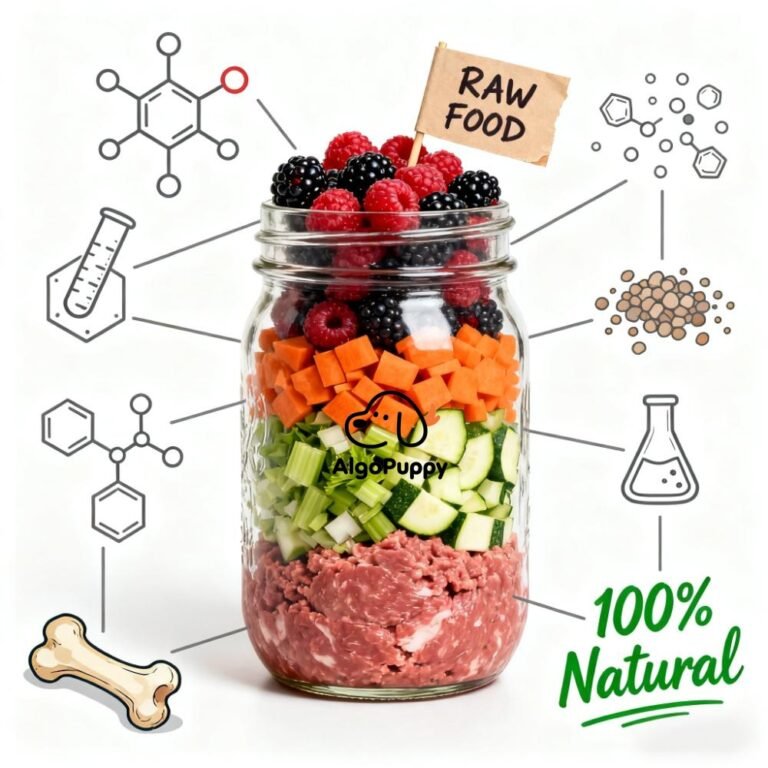
What Is a Raw Food or BARF Diet?
The BARF diet emphasizes feeding dogs uncooked, natural ingredients similar to what wolves and wild canines eat in nature.
A typical raw meal includes:
Muscle meat – chicken, beef, lamb, turkey, or duck
Raw edible bones – for natural calcium and dental health
Organ meats – liver, kidney, and heart for essential nutrients
Fresh vegetables and fruits – carrots, spinach, blueberries, apples (dog-safe only)
Healthy fats – fish oil, coconut oil, or animal fat
The idea is to provide a nutritionally balanced and species-appropriate diet, free from artificial preservatives or highly processed ingredients.
Many pet owners who are new to this approach often search for raw food diet for dogs explained, tips on a BARF diet for beginners, or balanced raw dog food recipes.
If you have a puppy, you might also want to explore raw feeding guidelines for puppies to ensure healthy growth.
Overall, this type of natural diet for healthy dogs focuses on giving pets the nutrients they need without unnecessary fillers.
Why Some Pet Owners Choose a Raw Diet
Advocates of raw feeding believe that it offers several potential advantages over commercial dry dog food. These include:
1. Improved Coat and Skin Health
Fresh, natural proteins and healthy fats can lead to shinier coats and reduced skin irritation. Dogs with allergies often show visible improvement when switched to a raw diet.
2. Better Dental Health
Chewing raw meaty bones can help reduce plaque and tartar buildup, leading to fresher breath and fewer dental problems.
3. Enhanced Digestion
Raw diets are typically free from fillers like corn or wheat, making them easier for many dogs to digest and resulting in smaller, firmer stools.
4. Higher Energy Levels
Some owners report that their dogs have increased stamina and vitality when eating a nutrient-rich raw diet.
Important Note: Scientific research on these benefits is still ongoing. While many anecdotal reports are positive, controlled studies are limited.
Potential Risks of Feeding Raw Food
Despite its popularity, a raw diet comes with certain challenges and risks. Understanding these is essential for safe feeding.
1. Bacterial Contamination
Raw meat can contain harmful bacteria like Salmonella or E. coli.
Wash hands and utensils thoroughly after handling raw food.
Store meat at safe temperatures to prevent bacterial growth.
Avoid cross-contamination with human food preparation areas.
2. Nutritional Imbalance
Creating a balanced raw diet requires careful planning. Without the right proportions of protein, calcium, vitamins, and minerals, dogs can suffer from deficiencies or excesses.
Puppies and senior dogs are especially vulnerable to improper nutrient levels.
Consider consulting a veterinary nutritionist before starting.
3. Bone Hazards
Raw bones can be beneficial, but they must be appropriately sized and uncooked.
Cooked bones are brittle and dangerous.
Small or sharp bones can pose a choking risk.
How to Safely Start a Raw Diet
Transitioning to a raw food plan should be done gradually and carefully.
Step 1: Research and Planning
Learn about the nutritional needs of dogs, including protein, fat, calcium, and essential vitamins. A typical guideline is:
70% meat
10% edible bone
10% organ meat
10% vegetables and fruits
Step 2: Start with a Single Protein Source
Begin with a mild protein like chicken or turkey to see how your dog’s digestive system reacts.
Step 3: Transition Slowly
Replace 25% of your dog’s current meal with raw food, gradually increasing the portion over 1–2 weeks.
Step 4: Monitor Health
Watch for signs of allergies, diarrhea, or weight changes. Adjust the diet as necessary, and consult a vet regularly.
BARF Diet for Puppies
Feeding raw to puppies requires extra care. Puppies have higher calcium and phosphorus needs for bone development.
Choose finely ground bones to avoid choking hazards.
Provide a balanced variety of proteins and organ meats.
Weigh and monitor growth regularly to prevent deficiencies.
Example Keyword Usage: raw feeding guidelines for puppies, balanced BARF meal plan for young dogs.
Tips for Storing and Preparing Raw Dog Food
Freezing: Store raw meat in the freezer to prevent spoilage.
Thawing: Thaw portions in the refrigerator — never at room temperature.
Hygiene: Wash bowls and preparation areas thoroughly after each meal.
Batch Preparation: Consider preparing meals for a week at a time to save effort.
Common Questions About Raw Feeding
1. Can all dogs eat a raw diet?
Most healthy adult dogs can adapt well, but dogs with compromised immune systems or certain health conditions may not be suitable. Always consult your veterinarian first.
2. Is a raw diet more expensive than kibble?
Yes, raw feeding often costs more, but many owners believe the health benefits outweigh the expense.
3. Can I mix kibble and raw food?
Some owners successfully mix the two, but it’s best to keep feeding times separate for easier digestion and to avoid bacterial concerns.