A Comprehensive Guide to Dog Rope Toys: Materials, Benefits, and Safety
Introduction
Dog rope toys are a staple in many households, often seen as a simple tool for tug-of-war or fetch. However, there’s more to these twisted fibers than meets the eye. From promoting dental health to providing mental stimulation, the right rope toy can be a valuable asset for your dog’s well-being. This guide delves into the details of dog rope toys, providing a thorough understanding of their materials, benefits, and how to use them safely.
1. Understanding Rope Toy Materials: What Are They Made Of?
Not all ropes are created equal. The material determines the toy’s durability, safety, and purpose.
Cotton: The most common and recommended material for dog rope toys. It is soft, flexible, and biodegradable. High-quality cotton ropes are strong enough for play but will fray safely over time, making them less of a hazard than synthetic fibers if ingested in small amounts.
Polyester & Nylon: These synthetic materials are extremely durable and resistant to fraying. While this makes them long-lasting, it also poses a higher risk. If a dog manages to chew off and swallow a piece of synthetic rope, it is less likely to break down and could lead to serious digestive blockages.
Blended Fibers: Many toys use a blend of cotton and synthetic materials to balance softness with durability. Always check the label to know what you’re buying.
Natural Fibers (e.g., Hemp, Jute): Gaining popularity for their eco-friendly and durable properties. These materials are tough and often have a natural texture that dogs enjoy chewing.
Key Takeaway: For most dogs, 100% cotton rope toys are the safest choice due to their biodegradability and softer fraying nature.
2. The Multifaceted Benefits of Rope Play
Rope toys are far from one-dimensional. Their benefits extend across physical and mental health.
Dental Health: This is one of the most significant advantages. As dogs chew and tug on the rope fibers, the friction acts like dental floss, scraping away plaque and tartar from their teeth. This can help prevent periodontal disease, a common issue in dogs.
Mental Stimulation: Play is work for a dog’s brain. A game of tug-of-war requires strategy, focus, and impulse control. It engages their natural prey drive and problem-solving skills, helping to ward off boredom and destructive behaviors.
Physical Exercise: Tug-of-war is a excellent form of physical exercise that engages multiple muscle groups. It’s a great way to burn energy indoors or in a small yard.
Bonding and Training: Interactive play with a rope toy is a powerful way to strengthen the bond between you and your dog. It’s also a fantastic tool for teaching commands like “drop it,” “take it,” and “leave it,” reinforcing obedience in a fun, rewarding context.
3. Choosing the Right Rope Toy for Your Dog
Selecting the appropriate toy is crucial for safety and enjoyment.
For Aggressive Chewers: Avoid thin ropes. Look for thick, tightly woven toys made from durable cotton or blended fibers. Knots should be large and robust.
For Gentle Chewers and Puppies: Softer cotton ropes are perfect. They are gentle on developing teeth and gums while still providing the desired texture.
Size Matters: Choose a toy proportional to your dog’s size. A large dog needs a long toy with big knots to keep their teeth away from your hands. A small dog should have a lighter toy they can comfortably carry.
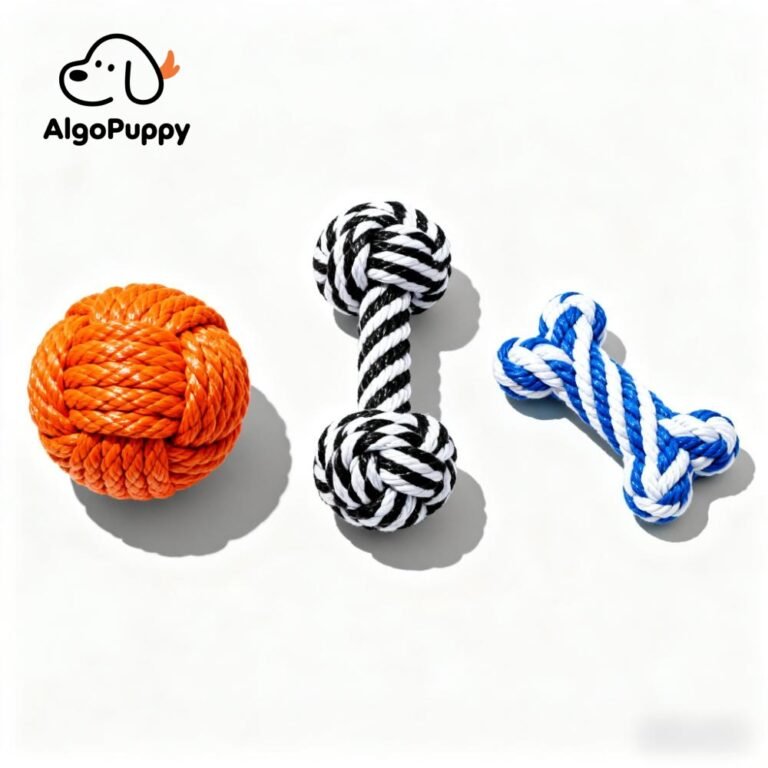
Purpose: Decide on the primary use. For fetch, a rope ball is ideal. For pure tug-of-war, a long straight rope or a ring-shaped toy works best.
4. Paramount Safety: Supervision and Inspection
Safety cannot be overstated. Rope toys are for interactive play only and should never be left with an unsupervised dog.
The Fraying Rule: It’s natural and beneficial for a rope toy to fray a little, as this aids in dental cleaning. However, once the fraying becomes excessive or your dog is actively pulling strands off and swallowing them, the toy has reached the end of its life.
Inspect Regularly: Before and after each play session, inspect the toy for signs of wear. Look for:
Loose or pulled strands
Breaking fibers
Sections that are becoming thin
Dirt or moisture trapped deep within the fibers
Know When to Retire: If the toy is coming apart, discard it immediately. Do not let your dog continue to chew on it. The risk of intestinal blockage from ingested fibers is a serious veterinary emergency.
Play Smart: Always follow tug-of-war rules: keep the game low to the ground to avoid neck injuries, and let your dog “win” often to keep them engaged and confident.
Conclusion
A dog rope toy is more than just a plaything; it’s a multifaceted tool for health, training, and bonding. By understanding the materials, recognizing the benefits, and, most importantly, prioritizing safety through supervision and timely replacement, you can ensure this simple toy provides lasting value and joy for your canine companion. Always choose quality, play interactively, and when in doubt, throw it out.