The Complete Guide to Organic Pet Food: Benefits, Nutrition, and Safe Choices
Introduction
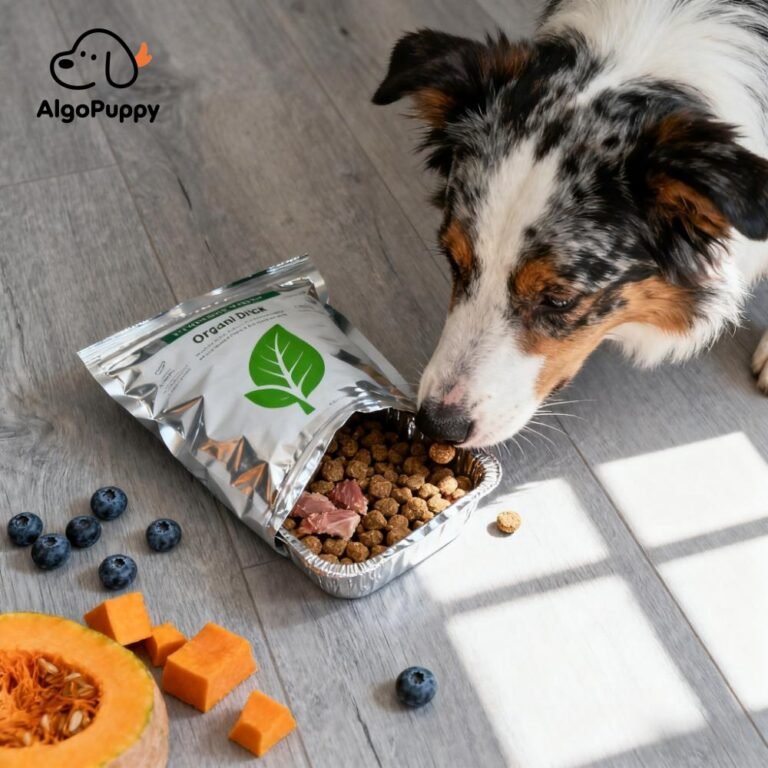
Organic pet food has become an increasingly popular choice among pet owners who prioritize the health and well-being of their furry companions. Unlike conventional pet food, organic options are made from natural ingredients free from synthetic chemicals, pesticides, and artificial preservatives. This guide explores the benefits of organic pet food, its nutritional value, and tips for making safe choices for your pets.
Benefits of Organic Pet Food
Organic pet food offers several advantages over traditional pet food:
Better Nutrition
Organic pet food often contains higher-quality proteins, vitamins, and minerals, supporting overall health and energy. Ingredients such as organic chicken, turkey, and fish provide essential amino acids, while organic vegetables supply antioxidants and fiber.Reduced Allergens
Many pets suffer from food sensitivities or allergies. Organic pet food is free from artificial additives, colors, and preservatives, which can help reduce skin irritations, digestive issues, and allergic reactions.Eco-Friendly Choice
Choosing organic pet food often supports sustainable and environmentally friendly farming practices. Organic farms avoid harmful chemicals and prioritize animal welfare, making this a more responsible option for conscious pet owners.
Organic Dog Food vs Regular Dog Food
One common question pet owners ask is how organic dog food compares to regular dog food. Organic dog food focuses on nutrient-rich ingredients and avoids fillers like corn, soy, or artificial flavors commonly found in conventional products.
Switching to organic options may lead to noticeable improvements in your dog’s:
Coat quality and shine
Digestive comfort and fewer stomach issues
Energy levels and overall vitality
While regular dog food may be more affordable, the long-term benefits of organic dog food—especially for dogs with sensitive stomachs—often outweigh the initial cost.
Best Organic Cat Food Brands
Cats have unique dietary needs, so it’s essential to choose high-quality organic cat food. Look for brands that:
Use responsibly sourced ingredients
Offer grain-free options for sensitive cats
Clearly list all nutritional components
Popular organic cat food brands often include chicken, fish, or turkey as primary ingredients while avoiding artificial preservatives and fillers. Always consult with a veterinarian before making significant dietary changes.
Homemade Organic Pet Food Recipes
For pet owners who prefer a hands-on approach, homemade organic pet food is a great option. Simple recipes can include:
Protein sources: Organic chicken, turkey, or fish
Vegetables: Carrots, sweet potatoes, or green beans
Grains: Brown rice or quinoa (if tolerated)
It’s crucial to balance nutrients properly and avoid toxic ingredients such as onions, garlic, and chocolate. Gradually introduce homemade organic meals alongside commercial organic food to ensure a smooth transition.
Organic Pet Food for Sensitive Stomachs
Pets with sensitive stomachs may benefit the most from organic diets. Organic pet food reduces exposure to artificial ingredients and low-quality fillers, which are often the source of digestive problems. Look for products labeled:
Grain-free organic pet food
Limited ingredient organic diets
Easily digestible proteins like chicken or fish
Gradual introduction over 7–10 days helps your pet adjust without stomach upset. Monitor your pet’s response and consult a vet if any issues arise.
Organic Pet Treats
Treats are an essential part of pet training and bonding, but traditional snacks are often filled with sugars and additives. Organic pet treats made from fruits, vegetables, or meat are healthier alternatives. They:
Support dental health with natural chewing options
Contain fewer calories for weight management
Encourage positive reinforcement during training
How to Switch to Organic Pet Food Safely
Switching your pet to organic food should be gradual:
Start by mixing a small portion of organic food with their current diet.
Slowly increase the amount of organic food over 7–10 days.
Monitor your pet’s digestion, energy, and coat condition.
A careful transition reduces the risk of digestive upset and ensures your pet adapts comfortably to their new diet.
Sustainable Organic Pet Food Choices
Choosing organic pet food not only benefits your pet but also supports sustainable and environmentally responsible practices. Many organic brands prioritize ethical sourcing, eco-friendly packaging, and reduced carbon footprints. By selecting these products, you contribute to a healthier planet while keeping your pets safe and nourished.
Conclusion
Organic pet food is more than just a trend—it is a lifestyle choice for pets and owners who value health, nutrition, and sustainability. By understanding the benefits, selecting high-quality brands, and introducing food safely, you can ensure your pets thrive on a diet that is both nutritious and safe. Whether it’s homemade recipes, grain-free options, or organic treats, the shift toward organic pet food is a step toward a healthier, happier life for your furry companions.