
Small Animal Food for Hamsters: A Complete Guide for Pet Owners
Hamsters are adorable, active pets that need a balanced and nutritious diet to stay healthy. Choosing the right small animal food for hamsters can be overwhelming, especially for first-time pet owners.
This guide explains what hamsters eat, the best food types, and common feeding mistakes to avoid.
1. Why Choosing the Right Hamster Food Matters
Hamsters are small, but their dietary needs are complex. A poor diet can lead to obesity, diabetes, dental problems, and a shorter lifespan.
Providing the right food ensures your hamster has the energy to play, explore, and stay healthy.
Key benefits of proper hamster food:
Supports healthy growth and development
Strengthens immune system
Prevents digestive issues
Promotes strong teeth and bones
2. Natural Foods Hamsters Can Eat
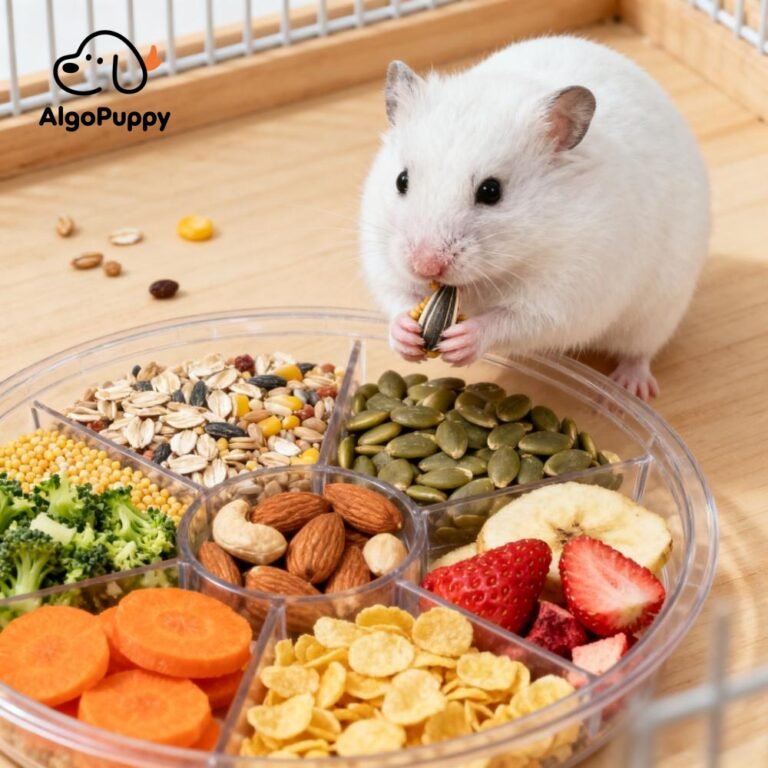
Hamsters thrive on a mix of natural, fresh foods in addition to commercial hamster food.
Here are safe options you can feed in moderation:
| Food Type | Examples | Benefits |
|---|---|---|
| Vegetables | Carrots, broccoli, cucumber, kale | Rich in vitamins and fiber |
| Fruits (small amount) | Apple, banana, blueberry | Natural sugar and antioxidants |
| Protein | Cooked egg, mealworms, plain tofu | Builds muscle and energy |
| Seeds & Nuts | Sunflower seeds, pumpkin seeds | Healthy fats, but limit intake |
| Grains | Oats, barley, brown rice | Provides energy and fiber |
⚠️ Tip: Always introduce new foods slowly to avoid upsetting your hamster’s stomach.
3. Types of Commercial Hamster Food
Choosing the right small animal food for hamsters is essential for daily nutrition. There are two main types available:
3.1 Hamster Seed Mix
A blend of seeds, grains, nuts, and dried vegetables.
Pros: Variety keeps hamsters interested and encourages natural foraging.
Cons: Some hamsters may pick only favorite seeds, causing nutrient imbalance.
3.2 Hamster Pellets (Blocks)
Compressed, uniform pieces containing balanced nutrition.
Pros: Prevents selective eating, ensures a complete diet.
Cons: Less exciting for hamsters compared to mixed foods.
Best Approach:
Combine pellets with small portions of fresh vegetables, fruits, and seeds for a balanced, engaging diet.
4. Feeding Schedule and Portion Sizes
Hamsters have small stomachs and high energy levels. Overfeeding can lead to obesity.
Portion Size:
1–2 tablespoons of food per day for dwarf hamsters,
2–3 tablespoons for Syrian hamsters.Feeding Frequency:
Provide food once a day, preferably in the evening when hamsters are most active.Water:
Fresh, clean water should always be available in a water bottle.
5. Foods to Avoid
Certain foods are toxic or unsafe for hamsters and should never be given:
| Unsafe Food | Reason |
|---|---|
| Chocolate & Candy | Contains harmful caffeine and sugar |
| Citrus Fruits | Too acidic for hamster digestion |
| Garlic & Onion | Can damage red blood cells |
| Almonds (bitter) | Contain toxic compounds |
| Processed Foods | Excessive salt and preservatives |
⚠️ Important: Always check labels and avoid foods with artificial colors or additives.
6. Common Feeding Mistakes
Even experienced hamster owners can make mistakes when feeding their pets.
Avoid these common pitfalls:
Overfeeding seeds and nuts – too many fatty foods cause obesity.
Sudden diet changes – can upset digestion.
Dirty food bowls – bacteria growth may cause illness.
Feeding sugary treats daily – may lead to diabetes, especially in dwarf hamsters.
7. Storage Tips for Hamster Food
Proper storage keeps food fresh and safe:
Use airtight containers to prevent moisture and pests.
Store food in a cool, dry place, away from sunlight.
Check expiration dates regularly and discard old food.
8. Summary
Providing the right small animal food for hamsters is essential for their well-being.
A balanced diet includes commercial hamster pellets, fresh vegetables, occasional fruits, and healthy protein sources.
By avoiding unsafe foods and following proper feeding practices, you can help your hamster live a long, active, and healthy life.