Small Animal Food for Rabbit: A Complete Nutrition Guide
Feeding your rabbit the right diet is essential for its overall health, longevity, and happiness. Many pet owners mistakenly assume that rabbits can eat any type of small animal food, but rabbits have unique dietary needs that differ significantly from other pets like guinea pigs, hamsters, or chinchillas. This guide will help you understand what makes an ideal rabbit diet, common mistakes to avoid, and how to choose safe, nutritious food for your furry friend.
1. Why Rabbits Need Specialized Food
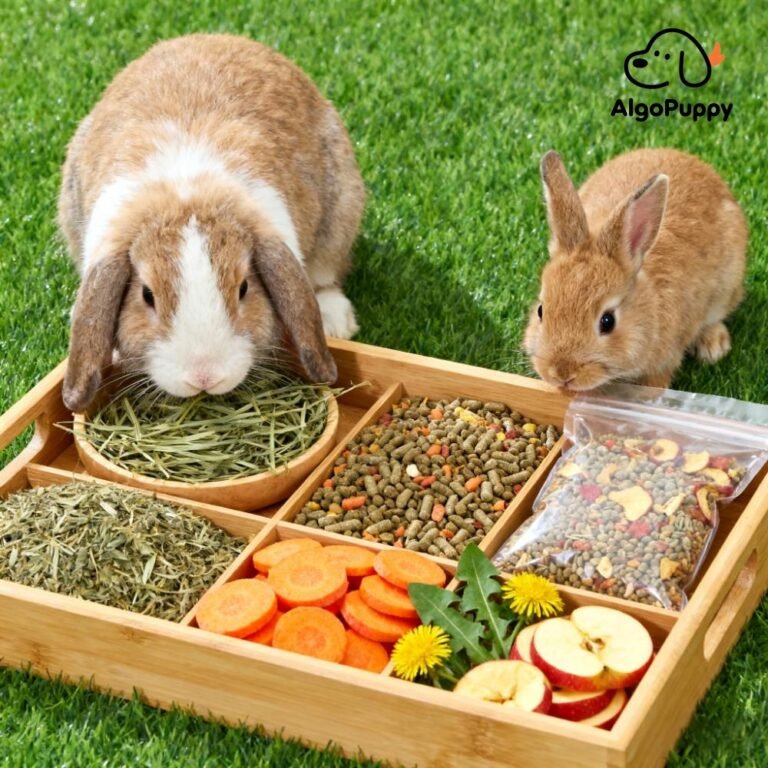
Rabbits are herbivores with a digestive system designed specifically for high-fiber plant materials. Unlike omnivorous small animals, rabbits rely heavily on fiber to keep their gut moving and prevent serious health problems.
Key Reasons Specialized Rabbit Food is Necessary
High Fiber Requirement:
Rabbits need a diet that is at least 18–20% fiber to maintain healthy digestion.Low in Fat and Sugar:
Foods high in sugar or fat can cause obesity, diarrhea, and digestive upset.Different Vitamin Needs:
Unlike guinea pigs, rabbits do not require extra vitamin C, so formulas designed for other animals may create nutrient imbalances.
2. Essential Components of a Healthy Rabbit Diet
A rabbit’s diet should be well-balanced and primarily plant-based. The following components are essential for their daily nutrition:
| Food Type | Ideal Percentage of Diet | Benefits |
|---|---|---|
| Hay (Timothy, Orchard, Meadow) | 70–80% | Provides fiber for digestion and healthy teeth |
| Fresh Vegetables | 10–15% | Supplies vitamins, minerals, and hydration |
| High-Quality Rabbit Pellets | 5–10% | Adds concentrated nutrients and extra fiber |
| Fresh Water | Always available | Prevents dehydration and aids digestion |
| Treats (Fruits, Herbs) | <5% | Occasional rewards only |
3. Hay: The Foundation of Rabbit Nutrition
Hay is the most important part of a rabbit’s diet. It keeps their digestive system functioning properly and helps prevent dental issues.
Recommended Types of Hay
Timothy Hay: Best for adult rabbits; low in calories and high in fiber.
Orchard Grass: Soft and sweet-smelling, ideal for picky eaters.
Alfalfa Hay: Suitable only for young rabbits under 6 months or pregnant/nursing rabbits due to its higher protein and calcium levels.
Tip: Always provide unlimited access to fresh, clean hay. Replace it daily to maintain freshness.
4. Pellets: Choosing the Right Small Animal Food for Rabbits
Pellets can be a valuable addition to your rabbit’s diet, but only if they are specifically formulated for rabbits.
What to Look for in Rabbit Pellets
High Fiber Content: At least 18% fiber or more.
Low Protein for Adults: Around 12–14% protein to prevent obesity.
No Added Seeds or Dried Fruits: These can be harmful and lead to digestive problems.
Freshness: Buy small quantities to avoid spoilage and nutrient loss.
Avoid: Generic “small animal food mixes” that contain colorful bits, nuts, or corn. These are unhealthy for rabbits and encourage selective eating.
5. Safe Vegetables and Fruits for Rabbits
Fresh vegetables provide essential nutrients and keep rabbits interested in their meals.
Safe Vegetables (Daily)
Romaine lettuce
Kale (in moderation)
Cilantro
Parsley
Bok choy
Bell peppers
Broccoli leaves
Safe Fruits (Occasional Treats)
Apples (no seeds)
Blueberries
Strawberries
Bananas
Pears
Note: Introduce new foods gradually to prevent digestive upset.
6. Foods That Are Dangerous for Rabbits
Some foods that are safe for humans or other small animals can be toxic to rabbits. Always avoid:
Chocolate
Onions and garlic
Iceberg lettuce
Nuts and seeds
Avocados
Processed human snacks
Dog or cat food
7. Feeding Guidelines by Age
Rabbits have different nutritional needs at different life stages:
| Rabbit Age | Hay Type | Pellets | Vegetables |
|---|---|---|---|
| Baby (<6 months) | Alfalfa & Timothy mix | Unlimited alfalfa-based pellets | Introduce slowly |
| Adult (6 months – 5 years) | Timothy hay only | ¼ cup per 5 lbs body weight | Daily variety |
| Senior (5+ years) | Timothy or softer hay | Monitor for weight changes | Adjust for health needs |
8. Transitioning to New Food
Sudden changes in a rabbit’s diet can cause digestive upset.
Follow this 3-step transition process when introducing new food:
Week 1: Mix 75% old food with 25% new food.
Week 2: 50% old food, 50% new food.
Week 3: 25% old food, 75% new food.
Week 4: 100% new food.
Watch for signs of soft stools, lethargy, or reduced appetite, and consult a vet if issues arise.
9. Common Feeding Mistakes to Avoid
Many rabbit health problems are linked to poor feeding practices. Avoid these common mistakes:
Feeding too many pellets and too little hay.
Offering sugary treats like carrots in large amounts.
Using food mixes meant for other small animals.
Changing diets too quickly.
Not providing fresh water daily.
10. Summary
Rabbits require a specialized diet to thrive. While generic small animal food may be convenient, it often lacks the fiber and nutrients necessary for rabbits.
By focusing on hay, fresh vegetables, and high-quality rabbit-specific pellets, you can support your rabbit’s digestive health, prevent obesity, and ensure a long, happy life.
Feeding your rabbit properly is one of the most important ways to show love and care. Always research new foods and consult a veterinarian for personalized dietary advice.