
Cat Clothes: A Complete Guide to Safe and Comfortable Outfits for Cats
Dressing up cats in clothes has become increasingly popular among pet owners. While it may look adorable on social media, putting cat clothes on your feline friend requires careful consideration.
This guide explains the purpose of cat clothes, how to choose safe and comfortable outfits, and the situations where clothing can benefit — or stress — your cat.
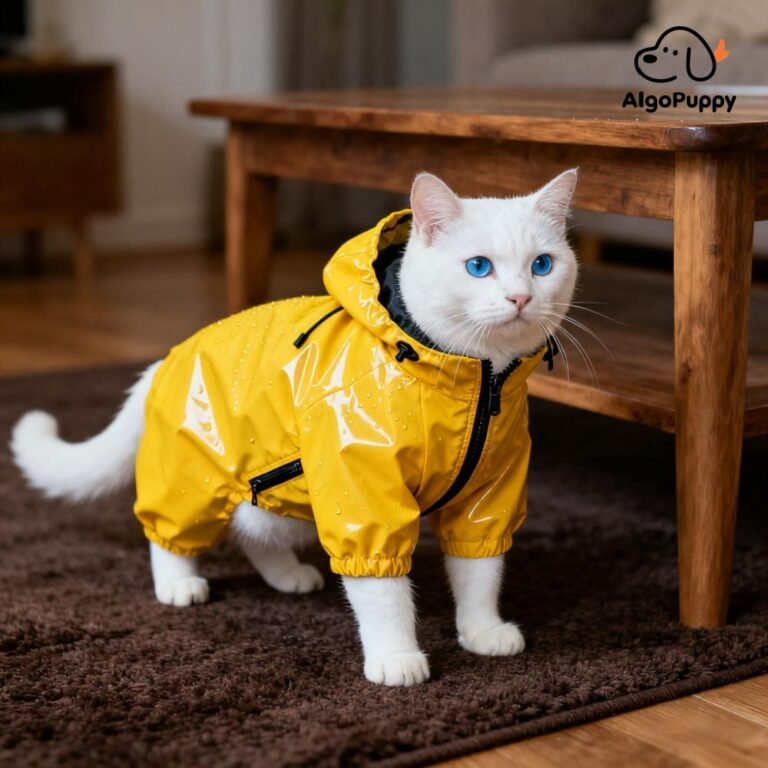
1. Why Do People Dress Cats in Clothes?
Although cats naturally have fur to protect them, there are certain reasons why pet owners might dress their cats:
Practical Reasons
Warmth for hairless or short-haired breeds
Cats like Sphynx or Devon Rex lack the thick coats that keep other cats warm. A soft sweater can help them maintain body heat during cold months.Medical protection
After surgery or an injury, clothing can prevent cats from licking or scratching wounds, similar to a cone but more comfortable.Sun protection
Hairless cats are prone to sunburn. Lightweight clothing can provide a layer of protection when they’re near sunny windows or outdoors.
Fun and Fashion
Special occasions like holidays, birthdays, or family photos.
Social media content for cat enthusiasts and influencers.
Important Reminder:
Cat clothes should never compromise a cat’s comfort or well-being. If your cat resists or shows stress, do not force them to wear clothes.
2. When Cats Should NOT Wear Clothes
Not every cat enjoys or tolerates wearing clothes. Some cats may find it stressful or even dangerous.
Situations to Avoid:
High temperatures: Clothes can cause overheating, especially in summer.
Outdoor unsupervised time: Fabric may snag on branches or fences.
Kittens under 3 months old: Their bodies are still developing and very sensitive.
Cats with respiratory or mobility issues: Clothing may worsen their condition.
Signs of stress include:
Hiding or trying to escape
Flattened ears or growling
Refusing to move or lying completely still
If you notice these behaviors, remove the clothing immediately.
3. Types of Cat Clothes
| Type | Best For | Material Suggestions |
|---|---|---|
| Sweaters & Hoodies | Hairless or short-haired cats in winter | Soft cotton, fleece |
| Shirts & Light Tops | Mild weather or sun protection | Breathable cotton |
| Recovery Suits | Post-surgery care instead of cones | Stretchy, hypoallergenic fabric |
| Costumes | Photoshoots or special events only | Lightweight, non-restrictive fabric |
Tip: Always prioritize functionality over appearance, especially for everyday wear.
4. How to Choose Safe Cat Clothes
Selecting the right outfit is essential for your cat’s comfort and safety.
Key Factors to Consider
Correct Size
Measure your cat’s neck, chest, and length before buying.
Clothes should fit snugly but not tightly. You should be able to fit two fingers between the fabric and your cat’s body.
Soft, Non-Irritating Materials
Choose breathable fabrics like cotton or fleece.
Avoid rough textures or materials with glitter, sequins, or small decorations that could be swallowed.
Easy to Put On and Take Off
Look for clothes with Velcro or simple snaps.
Avoid tight sleeves or collars that can trap your cat’s paws or neck.
Machine Washable
Hygiene is important, especially for cats with sensitive skin or allergies.
5. How to Introduce Clothes to Your Cat
Most cats need time to adjust to wearing clothes. A gradual approach is best.
Step-by-Step Process
Start Slowly
Let your cat sniff and explore the clothing before putting it on.Short Sessions
Put the clothing on for 1–2 minutes, then remove it. Gradually increase the time over several days.Positive Reinforcement
Offer treats and praise while your cat wears the outfit to create a positive association.Supervise Always
Never leave a dressed cat unattended to prevent accidents.
6. Caring for Cat Clothes
Proper care ensures your cat’s clothing stays clean, comfortable, and safe.
Wash clothes with fragrance-free, pet-safe detergent.
Air dry to preserve the fabric’s softness.
Regularly inspect for loose threads, holes, or worn areas that could pose hazards.
7. Common Mistakes to Avoid
Forcing a cat to wear clothes: This creates anxiety and behavioral issues.
Choosing fashion over comfort: Prioritize safety over cute designs.
Ignoring climate needs: Light fabrics in summer, warm layers in winter.
Neglecting cleaning routines: Dirty clothing can cause skin irritation.
8. Benefits of Cat Clothes (When Used Correctly)
When chosen and used properly, cat clothes can bring real benefits:
Keeps hairless cats warm and protected.
Helps healing after surgery without relying on cones.
Offers sun protection for delicate skin.
Strengthens the bond between pet and owner through shared activities.
9. Summary: Dressing Cats with Care
Cat clothes can be both functional and fun, but they should always prioritize your cat’s comfort and safety.
Start slowly, choose the right materials and sizes, and watch your cat’s reactions closely.
Remember: Not every cat needs clothes. The ultimate goal is to keep your feline friend healthy, happy, and stress-free.