Chew Toys for Dogs: A Complete Guide to Benefits, Types, and Safety
Dogs have a natural instinct to chew, whether it’s for fun, stress relief, or dental health. Providing the right chew toys for dogs is essential for keeping them mentally stimulated and physically healthy.
This guide explores why chewing is so important, the different types of chew toys available, how to choose safe options, and tips for introducing them to your dog.
Why Dogs Need Chew Toys
Chewing is a natural behavior for dogs that begins when they are puppies and continues throughout their lives. Without proper outlets, dogs may chew on furniture, shoes, or other household items.
Key Benefits of Chew Toys
Dental Health
Chewing helps scrape away plaque and tartar, promoting cleaner teeth and fresher breath.Mental Stimulation
Interactive chew toys keep dogs engaged, reducing boredom and destructive behaviors.Stress and Anxiety Relief
Chewing releases endorphins, which can calm dogs during stressful situations such as thunderstorms or being home alone.Healthy Jaw Development
For puppies, safe chew toys support proper jaw and tooth development.Safe Energy Outlet
High-energy breeds, like Border Collies or Huskies, need chew toys to burn off extra energy safely.
Types of Chew Toys for Dogs
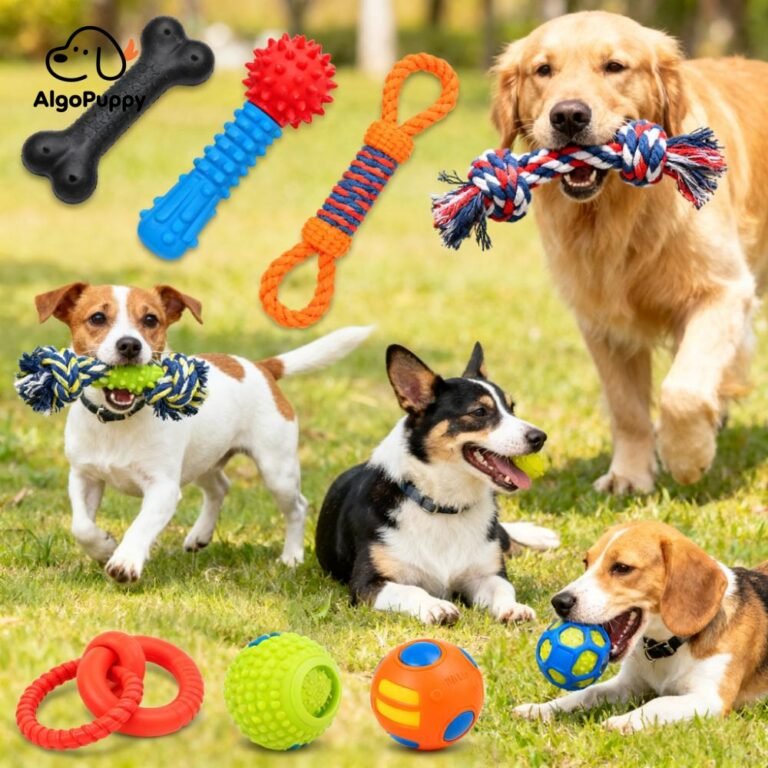
There are many types of chew toys, each designed for different needs. Choosing the right type depends on your dog’s age, size, and chewing style.
1. Rubber Chew Toys
Best for: Aggressive chewers and large dogs.
Features: Durable, easy to clean, often dishwasher safe.
Examples: Solid rubber bones, treat-dispensing balls.
Benefit: Can be stuffed with peanut butter or treats for extra engagement.
2. Rope Toys
Best for: Gentle chewers and tug-of-war games.
Features: Made of cotton or synthetic fibers.
Benefit: Helps clean teeth naturally as dogs chew and tug.
Safety Tip: Replace rope toys when they fray to prevent ingestion of loose fibers.
3. Nylon and Hard Chews
Best for: Moderate to heavy chewers.
Features: Tough, long-lasting materials like nylon or synthetic blends.
Benefit: Mimics the texture of bones without splintering.
Caution: Avoid very hard nylon toys for puppies or senior dogs to prevent tooth damage.
4. Edible Chew Treats
Best for: Reward-based chewing.
Examples: Dental chews, natural bones, dried sweet potatoes.
Benefit: Provides both nutrition and chewing satisfaction.
Caution: Always supervise dogs while eating edible chews to prevent choking.
5. Soft Plush Chew Toys
Best for: Puppies, small breeds, or light chewers.
Features: Soft fabric with squeakers for playful engagement.
Caution: Not suitable for aggressive chewers, as stuffing and squeakers can pose a choking hazard.
Choosing the Right Chew Toy for Your Dog
Selecting the right chew toy involves understanding your dog’s individual needs.
| Factor | What to Consider |
|---|---|
| Dog Size | Small dogs need lightweight toys; large breeds require durable, heavy-duty toys. |
| Chewing Strength | Aggressive chewers need tough rubber or nylon; light chewers can use rope or plush toys. |
| Age | Puppies need softer toys for teething; adult dogs can handle stronger materials. |
| Health Concerns | Dogs with dental problems should avoid overly hard toys. |
| Play Style | Dogs who love fetch may prefer balls, while tug players enjoy rope toys. |
Safety Tips for Chew Toys
Even the best chew toys require proper usage to keep your dog safe:
Always Supervise New Toys
Watch how your dog interacts with a toy the first few times to ensure it’s safe.Check for Damage Regularly
Replace toys that are cracked, frayed, or missing pieces.Avoid Toxic Materials
Choose toys made from BPA-free, non-toxic materials.Size Matters
A toy that’s too small can be swallowed, leading to choking or intestinal blockages.Avoid Cooked Bones
They can splinter and cause serious injuries.
How to Introduce a New Chew Toy
Some dogs take to new toys immediately, while others need time to adjust. Here’s how to make the process smoother:
Make it Fun:
Play games like fetch or tug to create positive associations with the toy.Use Treats:
Stuff treat-dispensing toys with favorite snacks to encourage interaction.Rotate Toys:
Keep a few toys hidden and rotate them weekly to keep your dog interested.Praise and Reward:
Offer verbal praise or small treats when your dog chews on appropriate items.
When to Replace Chew Toys
Even the toughest toys wear out over time. Replace them if you notice:
Sharp edges or broken pieces
Excessive wear that exposes inner materials
Strong odors or mold growth
Decreased interest from your dog
Pro Tip: Keep a spare toy ready so your dog always has a safe chewing option.
Eco-Friendly Chew Toy Options
Environmentally conscious pet owners can choose sustainable chew toys that are safe for both pets and the planet:
Toys made from natural rubber or organic cotton
Biodegradable chew treats
Recycled material toys with minimal packaging
These options help reduce your environmental footprint while providing safe play for your dog.
Frequently Asked Questions
1. How many chew toys should my dog have?
Most dogs benefit from 3–5 different types of toys to prevent boredom.
2. Are rawhide chews safe?
Rawhide can pose choking hazards and digestive issues. Consider natural alternatives like dried sweet potatoes or bully sticks.
3. Can puppies use adult chew toys?
No. Puppies need softer, teething-specific toys to protect their developing teeth.
Final Thoughts
Providing the right chew toys for dogs is essential for their overall health, happiness, and well-being.
The right toy not only satisfies your dog’s natural chewing instinct but also helps prevent behavioral problems, improves dental health, and strengthens the bond between you and your pet.
By choosing safe, durable, and appropriate toys, you can ensure your dog enjoys hours of fun while staying safe and healthy.