Pet Smart Solutions: How to Train, Entertain, and Care for Your Pet Like a Pro
Every pet owner wants their furry friend to be happy, healthy, and well-behaved.
However, pets often face challenges like boredom, anxiety, or poor behavior — and without proper care, these problems can escalate.
This article provides practical “pet smart” solutions to common issues so you can train, entertain, and care for your pet effectively.
Understanding What “Pet Smart” Really Means
Many people think “pet smart” only refers to having an intelligent pet.
In reality, it’s about providing well-rounded care that meets their physical, mental, and emotional needs.
Beyond Intelligence: Physical and Emotional Health
A truly “smart” approach to pet care:
Mental stimulation to prevent boredom and destructive behavior
Proper exercise to maintain a healthy weight
Stress reduction to avoid anxiety-related health issues
Consistent routines to build trust and security
Why Smart Care Leads to a Happier Pet
When pets are mentally challenged and emotionally supported:
They learn faster during training
Exhibit fewer behavioral problems
Build stronger bonds with their owners
Common Pet Problems and How to Solve Them
Problem 1 – Boredom and Destructive Behavior
Boredom is one of the most common causes of:
Chewing furniture
Excessive barking or meowing
Digging or scratching floors
Solution:
Introduce interactive toys like puzzle feeders or treat-dispensing balls.
Schedule 15-20 minutes of active playtime twice a day.
Rotate toys weekly to maintain novelty.
Tip: Even 10 minutes of daily training can mentally exhaust a dog or cat, reducing destructive tendencies.
Problem 2 – Separation Anxiety
Pets are social creatures and can develop stress when left alone for long periods.
Signs of anxiety:
Whining or howling when you leave
Bathroom accidents indoors
Chewing or clawing doors and windows
Solution:
Start with short departures (5-10 minutes) and gradually increase time away.
Leave an item with your scent, like a blanket or shirt.
Use calming background noise, such as soft music or white noise machines.
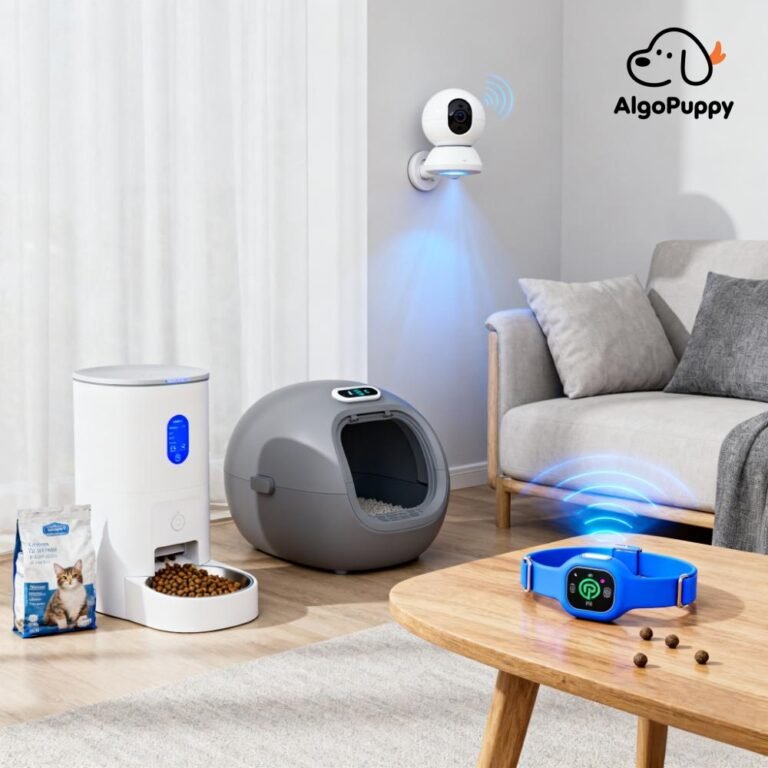
Consider a smart pet camera to monitor behavior and interact remotely.
Problem 3 – Poor Socialization
Pets that lack early socialization can become fearful or aggressive.
Solution:
Schedule controlled playdates with other pets.
Expose them to different environments, like parks or pet-friendly cafes.
Use positive reinforcement — reward calm behavior with treats or praise.
Problem 4 – Overweight Pets
Pet obesity is linked to serious health issues such as diabetes and joint problems.
Solution:
Measure food portions carefully based on weight and age.
Replace high-calorie treats with healthier options like baby carrots or apple slices (dogs only).
Incorporate daily exercise — even 10 minutes of fetch can make a difference.
Smart Solutions for a Healthy, Happy Pet
1. Mental Stimulation Activities
| Activity Type | Example | Frequency |
|---|---|---|
| Puzzle Toys | Treat-dispensing puzzles | Daily |
| Training Sessions | Teach a new trick or command | 10 min/day |
| Scent Games | Hide treats around the house | 2-3 times/week |
2. Physical Exercise Routines
| Pet Type | Ideal Activity | Duration |
|---|---|---|
| Dogs | Walks, fetch, agility exercises | 30-60 min/day |
| Cats | Feather wand play, climbing trees | 15-20 min/day |
| Small Pets | Tunnel runs, safe roaming space | 10-15 min/day |
Consistency matters: A regular schedule improves both physical and emotional health.
3. Nutrition and Healthy Feeding Tips
Stick to high-quality, balanced pet food.
Avoid table scraps and human junk food.
Provide fresh water at all times.
Consult your vet for specific dietary needs based on age and breed.
4. Creating a Safe, Enriching Home Environment
Remove toxic plants and substances.
Provide cozy resting areas away from noise.
Keep interactive toys accessible.
Regularly clean bedding and play areas to reduce bacteria buildup.
When to Seek Professional Help
If your pet’s problems persist despite trying these solutions, it’s time to consult a professional:
Veterinarian: For health-related issues like sudden weight changes or persistent vomiting.
Certified Pet Trainer: For behavioral problems like aggression or severe anxiety.
Animal Behaviorist: For complex psychological concerns.
Final Thoughts
A pet smart approach is about understanding your pet’s unique needs and providing solutions that enhance their overall well-being.
By addressing boredom, anxiety, and health issues early, you can create a harmonious home environment and build a stronger bond with your furry companion.
Remember: a smart owner makes a smart pet.