
Best Interactive Cat Toys: How They Improve Your Cat’s Health and Happiness
Cats are natural hunters with sharp instincts. In the wild, they spend hours stalking and chasing prey.
Indoor cats, however, often lack the opportunity to express these natural behaviors, which can lead to boredom, stress, and even health issues.
Interactive cat toys provide a fun and effective way to keep your feline friend both mentally and physically stimulated.
In this guide, we’ll explore why interactive play is so important, the different types of toys available, and tips for choosing the best ones for your cat.
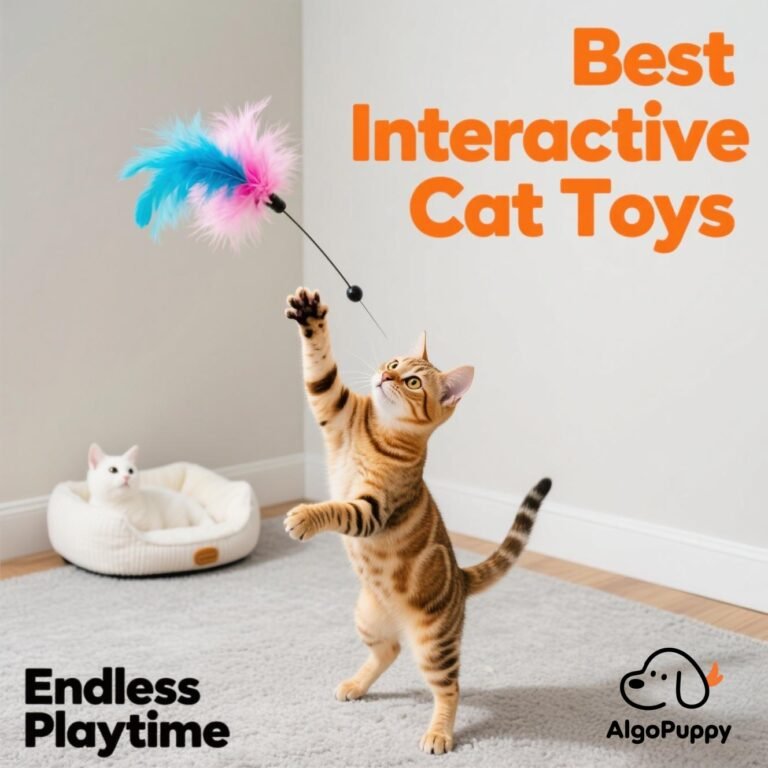
Why Interactive Play Is Essential for Cats
The Link Between Play and Feline Mental Health
Play is more than just fun — it’s essential for a cat’s emotional well-being.
Interactive toys mimic the thrill of hunting, which activates a cat’s natural instincts and keeps their brain sharp. Without enough stimulation, cats may develop anxiety or depression.
Common Problems Caused by Boredom
Indoor cats that don’t get enough activity may:
Scratch furniture excessively
Overeat due to stress
Show aggression toward other pets or humans
Sleep excessively and become overweight
Providing interactive toys helps prevent these behavioral and health problems by offering an outlet for natural energy.
Benefits of Using Interactive Cat Toys
1. Physical Exercise
Many indoor cats struggle with weight gain.
Interactive toys encourage running, jumping, and pouncing, which burn calories and keep muscles strong.
Did you know?
Over 60% of domestic cats are overweight, leading to diabetes and joint issues.
Just 15-20 minutes of active play each day can significantly improve a cat’s fitness.
2. Mental Stimulation
Puzzle toys and motion-based toys challenge a cat’s problem-solving skills, keeping their mind sharp and preventing boredom.
3. Strengthening the Bond Between Cat and Owner
Playing together builds trust.
When you engage with your cat using toys like wands or feathers, it strengthens your emotional connection.
4. Reducing Destructive Behavior
A bored cat may chew wires, scratch furniture, or knock over items.
Interactive toys redirect that energy into positive play, protecting your home and improving your cat’s behavior.
Types of Interactive Cat Toys
1. Wand Toys and Feather Teasers
These toys are classics for a reason.
They allow you to mimic prey movements like birds or mice, giving your cat a thrilling hunting experience.
Best for:
High-energy cats
Building trust with shy cats
2. Puzzle Feeders
Puzzle feeders combine mealtime with play, making cats work for their food.
This mimics the natural hunting process while preventing overeating.
Benefits:
Slows down eating
Provides mental stimulation
Reduces stress in multi-cat households
3. Motion-Activated Toys
Battery-powered toys that move unpredictably can keep cats entertained even when you’re not home.
Look for toys with adjustable speed and quiet operation.
4. Laser Pointers (With Safety Tips)
Laser toys are great for exercise but should never be the only form of play.
Since cats can’t physically “catch” the laser, always end the session by letting them catch a real toy to avoid frustration.
5. DIY Interactive Toys
You don’t need to spend a fortune to keep your cat happy.
Here are a few easy DIY ideas:
Crumpled paper balls
Empty cardboard boxes with holes cut out
Homemade puzzle feeders using toilet paper rolls
How to Choose the Right Interactive Toy for Your Cat
Consider Your Cat’s Age
Kittens: High-energy toys like feathers and fast-moving toys
Adult cats: A mix of active toys and puzzle feeders
Senior cats: Slower-moving toys that are gentle on joints
Match Your Cat’s Personality
Shy cats may prefer quiet, slow-moving toys.
Bold, confident cats usually enjoy fast, unpredictable play.
Safety and Durability
Always choose non-toxic materials and avoid small parts that could be swallowed.
Check toys regularly for wear and replace them when damaged.
Tips for Getting the Most Out of Playtime
Schedule two 10-15 minute play sessions each day.
Rotate toys weekly to keep your cat interested.
Use treats sparingly as rewards during interactive play.
Store toys safely when not in use to avoid accidents.
Frequently Asked Questions (FAQ)
1. How often should I play with my cat?
At least 20-30 minutes daily, split into shorter sessions to match your cat’s energy levels.
2. Can interactive toys help with aggressive behavior?
Yes. Interactive play provides an outlet for energy and frustration, reducing aggression toward people or other pets.
3. Are puzzle feeders worth it?
Absolutely. They prevent overeating, stimulate your cat’s brain, and make mealtimes more engaging.
Final Thoughts
Interactive play isn’t just entertainment — it’s a vital part of keeping your cat healthy and happy.
By choosing the right toys and engaging in daily play sessions, you can prevent boredom, reduce unwanted behaviors, and strengthen your bond with your furry friend.
Whether you buy high-tech gadgets or create DIY toys at home, the most important thing is consistency and interaction.
Your cat’s health, both physical and emotional, will thank you for it.