
How to Brush Your Dog's Teeth: A Stress-Free Guide to Canine Dental Health
Is your dog’s breath a little… offensive? Do you notice a yellow build-up on their teeth? Just like humans, dogs need regular dental care to prevent painful disease, tooth loss, and systemic health issues. Learning how to brush dog teeth is the single most effective thing you can do for your pet’s oral hygiene.
In this comprehensive guide, we’ll walk you through the entire process, from choosing the right supplies to mastering the technique, ensuring a positive experience for both you and your furry friend.
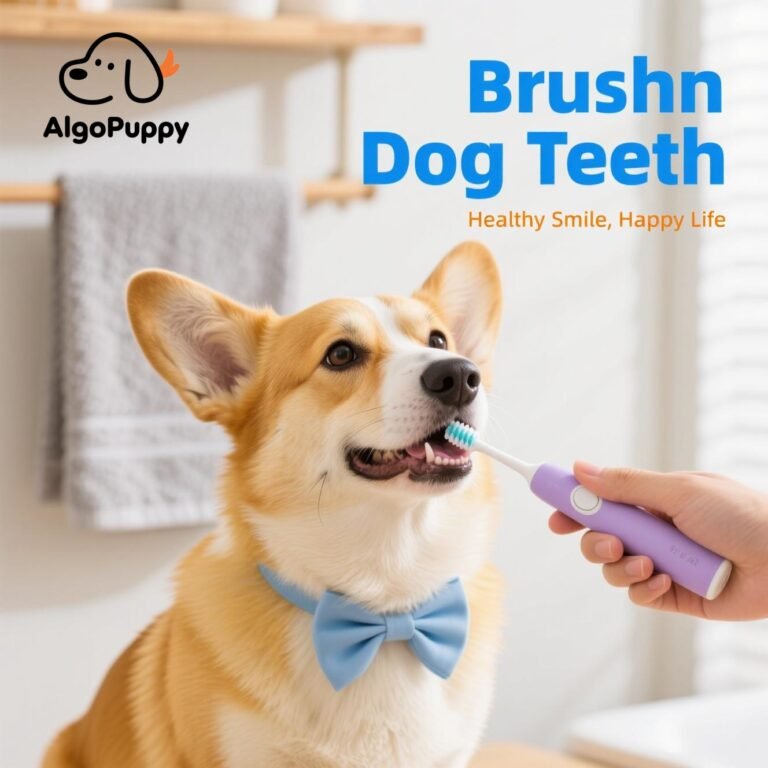
Why Brushing Your Dog’s Teeth is Non-Negotiable
Over 80% of dogs show signs of dental disease by age three. Plaque hardens into tartar, leading to gingivitis, periodontal disease, tooth loss, and even bacteria that can affect the heart, liver, and kidneys. Regular brushing:
Prevents painful dental diseases
Fights bad breath (halitosis)
Saves you money on expensive veterinary dental cleanings
Contributes to your dog’s overall longevity and well-being
What You’ll Need: The Essential Dog Teeth Brushing Kit
Before you begin, gather the right tools. Never use human toothpaste as it contains fluoride and xylitol, which are toxic to dogs.
Dog Toothpaste: These come in delicious, dog-friendly flavors like poultry, peanut butter, and beef. The enticing taste makes your dog much more cooperative.
Our Top Pick: Vet’s Best Enzymatic Dog Toothpaste – This popular formula uses enzymes to help break down plaque and tartar and comes in a dog-approved flavor.
Dog Toothbrush:
Dual-ended brush: These have a larger brush for big teeth and a smaller one for hard-to-reach areas.
Finger brush: A soft, silicone brush that fits over your fingertip, offering great control for beginners or nervous dogs.
Recommended Starter Kit: Arm & Hammer Dog Dental Kit – This affordable kit includes a dual-ended brush and a baking soda toothpaste that dogs love.
High-Value Treats: Have your dog’s favorite small treats on hand to reward calm behavior.
The Step-by-Step Guide to Brushing Your Dog’s Teeth
Patience is key! Don’t rush the process. It might take several sessions over a few weeks for your dog to feel comfortable.
Step 1: Get Your Dog Acquainted
Let your dog sniff the toothbrush and taste a tiny bit of toothpaste from your finger. Praise them for showing interest.
Step 2: Practice Handling the Mouth
Without any supplies, gently lift your dog’s lips and rub your finger along their gums and teeth. Do this for short periods, rewarding them generously afterward.
Step 3: Introduce the Toothpaste and Brush
Put a small, pea-sized amount of toothpaste on the brush. Let your dog lick it off. Next, gently lift their lip and brush one or two teeth in a slow, circular motion. Keep the first session very short (under 10 seconds) and end with a treat and lots of praise.
Step 4: Gradually Increase Brushing
As your dog becomes more tolerant, gradually brush more teeth each time. Aim for the outer surfaces of the teeth, as the tongue does a fairly good job of cleaning the inner surfaces. Focus on the area where the tooth meets the gumline.
Step 5: The Full Brush
Aim for a full brushing session of about 30-60 seconds on each side of the mouth. Always end on a positive note with a reward, even if the session wasn’t perfect.
Pro Tip: Make it a calm, predictable part of your daily routine, like after their evening walk when they are tired and relaxed.
Troubleshooting Common Problems
My dog won’t stay still: Keep sessions incredibly short. Even brushing for 5 seconds is better than nothing. Consider enlisting a helper to gently hold and comfort your dog.
My dog hates the brush: Try switching to a finger brush for a different sensation. You can also start with a piece of gauze wrapped around your finger with some toothpaste.
My dog clamps their mouth shut: Don’t force it. Go back to Step 2 and spend more time desensitizing them to having their mouth handled. You can also apply dog toothpaste to a dental chew as a positive association.
Great Alternative: Greenies Dental Dog Treats – These VOHC-accepted treats help control tartar and can be a great supplement to brushing.
Beyond Brushing: Supplemental Dental Care
For optimal dental health, consider adding these to your routine:
Dental Chews & Toys: Specially designed chews help scrape away plaque through mechanical action.
Effective Option: KONG Dental Stick – A durable toy you can stuff with toothpaste or treats to encourage chewing.
Water Additives: These are an easy way to fight bacteria with every drink your dog takes.
Regular Vet Check-ups: Your veterinarian should perform an oral exam during your annual visit and recommend professional cleanings when necessary.
Final Thoughts
Learning how to brush dog teeth is an act of love that significantly impacts your pet’s quality of life. By starting slow, using the right products, and being consistently patient, you can turn tooth brushing from a chore into a simple, rewarding part of your day.
Your dog’s healthiest smile starts with you!
Disclaimer: This article contains affiliate links. If you make a purchase through these links, we may earn a small commission at no extra cost to you. This helps us continue to create valuable content for pet owners. We only recommend products we truly believe in.