The Ultimate Guide to Dog Clicker Training: How to Transform Your Dog's Behavior
Dog clicker training represents one of the most effective, science-backed methods for teaching dogs new behaviors and strengthening your bond through positive reinforcement. This comprehensive guide covers everything you need to know about this powerful training tool, from basic principles to advanced techniques.
Why Clicker Training Works: The Science Behind the Sound
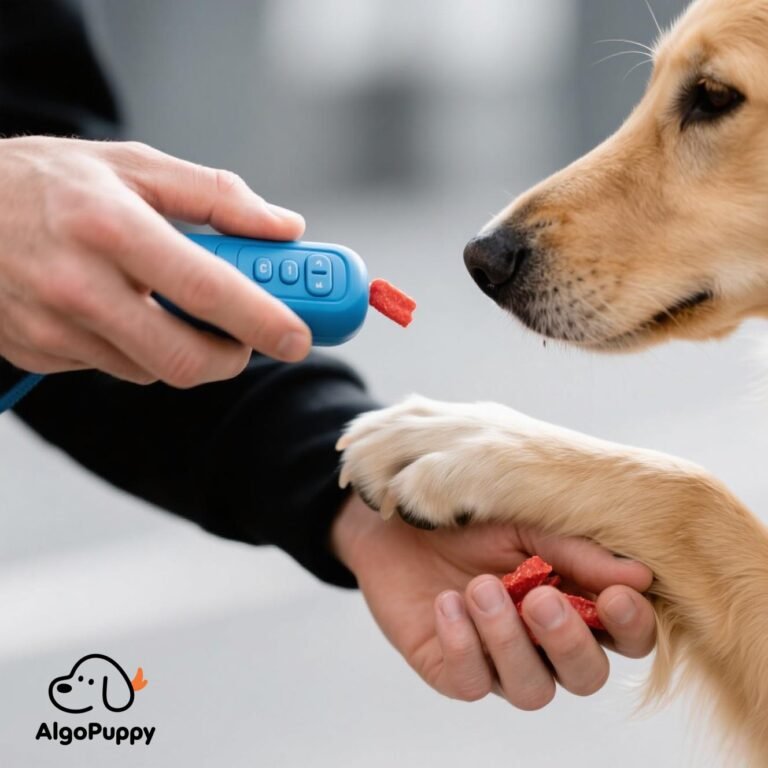
Clicker training utilizes proven psychological principles that make learning faster and more enjoyable for your dog:
Precise Marking: The click sound pinpoints the exact moment your dog performs the desired behavior
Clear Communication: Eliminates confusion about what action earned the reward
Positive Association: Creates powerful positive reinforcement through consistent pairing with rewards
Enhanced Engagement: Turns training into a fun game that stimulates your dog mentally
Getting Started with Clicker Training
Essential Equipment:
A Quality Clicker: Choose one that’s comfortable to hold and produces a consistent sound
High-Value Treats: Small, soft treats your dog loves
Treat Pouch: Keeps rewards accessible during training sessions
Patience and Consistency: The most important tools of all
Our Top Pick: The Starmark Pro-Training Clicker features an adjustable wrist strap and clear, consistent sound perfect for beginners and professionals alike.
The Charging Phase: Creating the Association
Before you can use the clicker for training, you must teach your dog what the sound means:
Click-Treat-Repeat: Click and immediately give a treat, repeating 10-15 times
Watch for Recognition: Your dog should begin looking for the treat after hearing the click
Test the Connection: Wait until your dog isn’t paying attention, then click. If they look for a treat, they understand the association
Basic Clicker Training Techniques
Capturing:
Watch for natural behaviors you want to encourage
Click as the behavior happens
Follow immediately with a reward
Perfect for behaviors like sitting, lying down, or stretching
Luring:
Use a treat to guide your dog into position
Click when they achieve the position
Gradually reduce the lure until only the hand signal remains
Ideal for teaching spins, rolls, or complex movements
Shaping:
Break down complex behaviors into small steps
Click and reward successive approximations
Build toward the final behavior through small achievements
Excellent for teaching retrieve, turn off lights, or other multi-step tasks
Common Training Goals and How to Achieve Them
Basic Obedience:
Sit: Capture when your dog sits naturally or lure with a treat moving backward over their head
Down: Lure with a treat moving down between their front paws
Stay: Build duration gradually, clicking and rewarding for increasing time periods
Come: Click and reward when your dog moves toward you, gradually increasing distance
Problem Behavior Solutions:
Jumping: Click and reward when all four paws remain on the floor
Barking: Capture and reward moments of quiet
Leash Pulling: Click when the leash remains loose during walks
Advanced Clicker Training Techniques
Adding Cues:
Wait until the behavior is reliable before adding a verbal cue
Say the cue as your dog begins the behavior
Click and reward when they complete it
Practice cue-behavior-reward until the connection is strong
Proofing Behaviors:
Practice in different environments with increasing distractions
Generalize the behavior so your dog understands cues work everywhere
Maintain high reward value when working in challenging situations
Troubleshooting Common Clicker Training Challenges
“My dog is scared of the click sound”
Muffle the clicker in your pocket or behind your back initially
Use a softer alternative like a pen click or verbal marker (“yes!”)
Pair the sound with extra-special treats to build positive association
“My dog gets too excited and can’t focus”
Use lower-value treats to reduce excitement
Train before meals when your dog is more motivated
Keep sessions short (2-5 minutes) to maintain attention
“The behavior isn’t progressing”
Break it down further into smaller steps
Ensure your timing is precise – click at the exact moment
Increase the reward value for more motivation
Recommended Clicker Training Products
Best Value Set: PetSafe Clik-R Trainer and Treat Pouch includes everything you need to start training in one affordable package.
Premium Option: Karen Pryor i-Click Clicker features an exceptionally quiet yet distinct click perfect for noise-sensitive dogs.
Training Treat Recommendation: Zuke’s Mini Naturals are the perfect size for rapid reward delivery during clicker sessions.
Frequently Asked Questions
How long should training sessions last?
Puppies: 1-2 minutes, multiple times daily
Adult dogs: 3-5 minutes, 2-3 times daily
Always end on a positive note with a successful behavior
When should I phase out the clicker?
Once behaviors are reliable in various environments
The clicker becomes unnecessary when verbal cues are established
Keep it available for teaching new behaviors or refining existing ones
Can clicker training work for older dogs?
Absolutely! Dogs of any age can learn through positive reinforcement
Some older dogs may learn even faster than puppies
Adjust for physical limitations when choosing behaviors to train
Taking Your Training Further
Recommended Resources:
Books: “Don’t Shoot the Dog” by Karen Pryor (the clicker training pioneer)
Online Courses: Numerous excellent video courses available for visual learners
Professional Trainers: Consider a session with a certified clicker trainer for personalized guidance
Conclusion: Building a Better Relationship Through Positive Training
Dog clicker training offers one of the most effective and enjoyable ways to communicate with your canine companion. By focusing on what your dog does right rather than punishing mistakes, you build trust, strengthen your bond, and create a willing learner who enjoys training sessions.
Remember that consistency, patience, and proper timing are more important than any specific equipment. The clicker is simply a tool that enhances clear communication between you and your dog.
Pro Tip: Keep clicker sessions fun and end while your dog is still engaged and successful. This creates positive anticipation for the next training session and maintains your dog’s enthusiasm for learning.
Disclosure: This article contains affiliate links. If you make a purchase through these links, we may earn a commission at no additional cost to you. We only recommend products we genuinely believe will enhance your training experience and strengthen your bond with your dog.