Key Takeaways
- Elevated feeders are not a one-size-fits-all solution. They offer specific benefits for certain dogs but can pose risks for others.
- Primary benefit: improved posture and reduced strain. Best for large, giant, or senior dogs with joint issues, or dogs with megaesophagus.
- Primary risk: increased risk of bloat (GDV) in deep-chested breeds. This is a life-threatening emergency, especially for breeds like Great Danes, Dobermans, and German Shepherds.
- Not recommended for puppies, flat-faced breeds, or dogs with a history of bloat. These groups are better served by floor-level bowls.
- Always consult your veterinarian before switching to an elevated feeder, especially if your dog has health conditions or is a bloat-prone breed.
Introduction: The Elevated Feeder Debate
Walk into any pet supply store, and you’ll see a wall of elevated feeders—sturdy stands holding metal or ceramic bowls at chest height. They’re marketed as ergonomic, cleaner, and healthier. But is that really true for every dog? The answer is more nuanced than a simple yes or no. This article breaks down the science, the risks, and the specific scenarios where an elevated feeder helps—or harms—your dog.
What Is an Elevated Feeder?
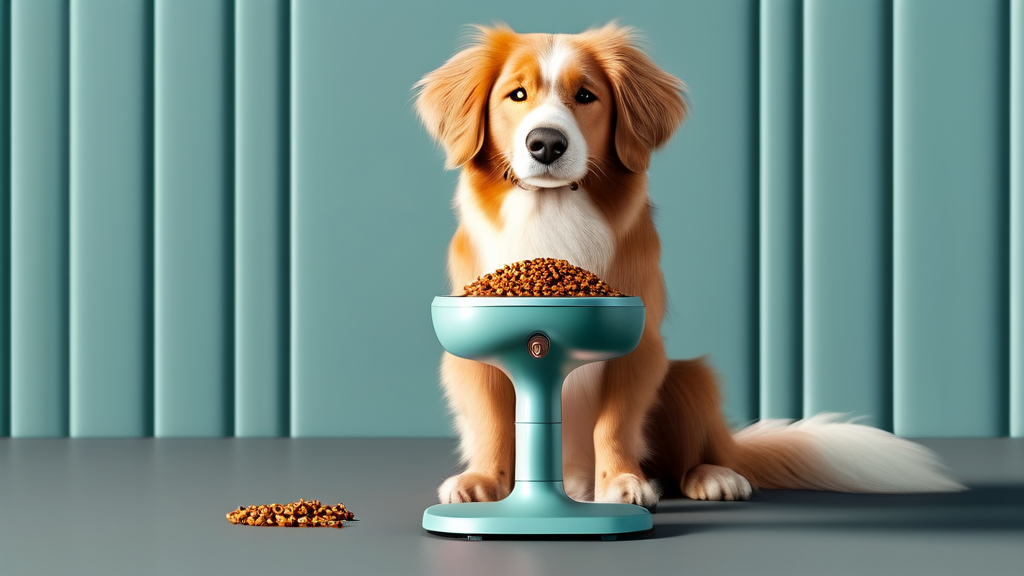
An elevated feeder (also called a raised dog bowl) places your dog’s food and water bowls at a height that allows them to eat without bending their neck down to the floor. Typical heights range from 6 inches for small breeds to 18+ inches for giant breeds. The goal is to create a more natural, upright eating posture.
The Immediate Problems Elevated Feeders Solve
Not all dogs struggle with floor-level bowls. But for those that do, an elevated feeder can be transformative. Here are the most common issues it addresses immediately:
1. Neck and Joint Strain in Large & Senior Dogs
For large breeds like Labrador Retrievers, Great Danes, or senior dogs with arthritis, bending down to the floor repeatedly can cause significant discomfort. Elevated feeders reduce the angle of the neck and spine, which can ease pain in the cervical vertebrae and shoulders. In one study, dogs with elbow or hip dysplasia showed less stiffness after meals when using raised bowls.
2. Megaesophagus and Regurgitation
Dogs with megaesophagus—a condition where the esophagus loses muscle tone and cannot move food to the stomach—often require upright feeding. An elevated feeder allows gravity to help food reach the stomach, reducing the risk of aspiration pneumonia. For these dogs, a raised bowl is not optional; it’s a medical necessity.
3. Mess Reduction and Cleanliness
Floor-level bowls can trap dirt, dust, and hair. Elevated feeders keep bowls off the ground, making them easier to clean and less likely to spill. They also prevent dogs from dragging food across the floor, which is a common complaint with sloppy eaters.
The Hidden Risks: When Elevated Feeders Can Harm
Here’s the critical part that many pet owners miss. While elevated feeders solve some problems, they can create or worsen others. The most serious risk is gastric dilatation-volvulus (GDV), commonly known as bloat.
1. Bloat Risk in Deep-Chested Breeds
Multiple veterinary studies have linked elevated feeders to an increased incidence of GDV in large, deep-chested breeds. Dogs with a chest depth-to-width ratio greater than 1.6 are at highest risk. Breeds like Great Danes, Doberman Pinschers, Irish Setters, and Weimaraners should avoid elevated feeders unless specifically prescribed by a veterinarian. The theory: raised bowls may encourage faster eating and air swallowing, which can trigger torsion.
2. Not Suitable for Flat-Faced (Brachycephalic) Breeds
Pugs, Bulldogs, and Boston Terriers already have compromised airways. An elevated feeder can force them to tilt their heads back, narrowing the trachea and increasing the risk of aspiration (inhaling food or water into the lungs). Floor-level bowls are safer for these breeds.
3. Puppies and Growing Dogs
Puppies have developing bones and joints. Using an elevated feeder too early can alter natural growth patterns and potentially contribute to skeletal issues like angular limb deformities. Wait until your puppy is fully grown (typically 12–18 months for large breeds) before considering a raised bowl.
When Should You Absolutely Use an Elevated Feeder?
Despite the risks, there are clear-cut cases where an elevated feeder is beneficial or even life-saving.
- Megaesophagus diagnosis: Your vet will likely recommend a Bailey chair or elevated feeder.
- Senior dogs with arthritis or hip dysplasia: Reduced bending helps them eat comfortably.
- Giant breeds (e.g., Irish Wolfhounds, Mastiffs): Their neck length makes floor-level eating awkward and inefficient.
- Dogs recovering from neck or spinal surgery: An elevated position reduces strain on surgical sites.
- Dogs that eat too fast (with a slow-feed insert): Elevated bowls can be paired with slow-feed tools to reduce gulping.
When Should You Avoid Elevated Feeders?
- Deep-chested breeds at risk for bloat (unless vet-approved).
- Brachycephalic breeds (Pugs, Bulldogs, etc.).
- Puppies under 12 months of age.
- Dogs with a history of bloat or gastric surgery.
- Dogs that are already healthy and eating well from floor bowls.
How to Choose the Right Height
If you and your vet decide an elevated feeder is appropriate, the height matters. The bowl should be at the dog’s lower chest, not the shoulder. A general rule: the top of the bowl should be about 6–8 inches below the dog’s withers (the highest point of the shoulder). Measure your dog while they stand naturally. An adjustable feeder is ideal because you can fine-tune the height as your dog ages or changes.
Alternatives to Elevated Feeders
If you’re concerned about bloat or other risks but still want to improve mealtime posture, consider these alternatives:
- Floor-level slow-feed bowls: These encourage slower eating without changing posture.
- Non-slip mats: Prevents bowl movement and reduces mess.
- Small, frequent meals: Reduces stomach volume and air intake.
- Anti-gulping devices: Maze bowls or puzzle feeders keep dogs from inhaling food.
Conclusion: The Final Verdict
Does your dog need an elevated feeder? Only if they have a specific medical need or physical limitation that floor-level feeding worsens. For the average healthy dog, especially deep-chested breeds, a standard floor bowl is safer and more natural. The decision should be based on your dog’s breed, age, health status, and behavior—not marketing hype. Always consult your veterinarian before making the switch. When used correctly, elevated feeders are a tool; when used incorrectly, they’re a risk factor.